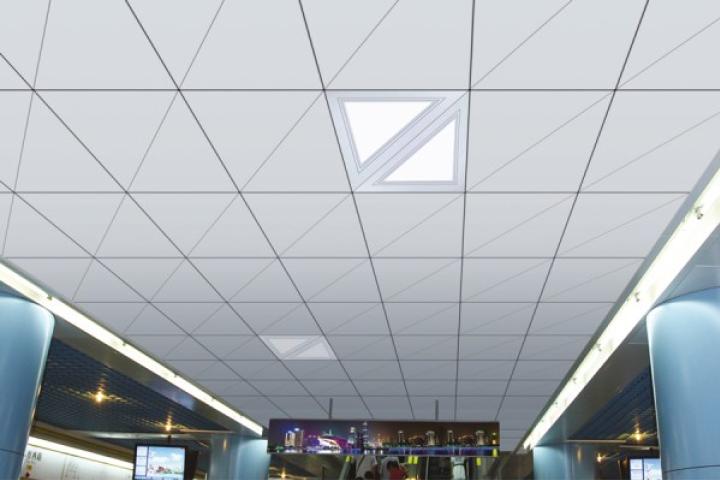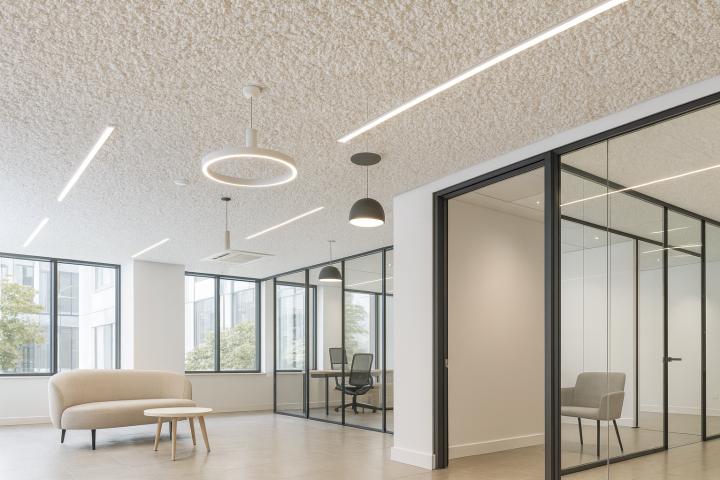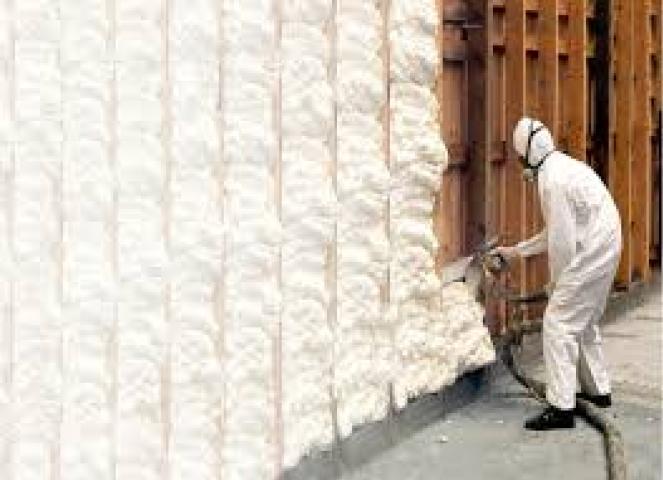

Designing a space where form meets function is no longer a bonus—it’s the benchmark. While acoustics were once considered secondary to aesthetics, modern design thinking embraces sound control as a core component of spatial wellness. This shift has given rise to smart solutions like Acoustic Spray Ceilings, which offer excellent sound absorption while delivering a clean, monolithic look. But how do you maintain visual continuity when integrating these ceilings with existing or decorative textured surfaces?
Blending Acoustic Spray Ceilings seamlessly with various materials and finishes can be an artistic and technical challenge. Done right, it elevates both sound control and spatial harmony. Below, we explore expert tips to help you marry acoustic performance with textured aesthetics without compromise.
1. Understand the Material Behavior First
Before you even begin planning the installation, understand how Acoustic Spray Ceilings interact with other surface types—be it raw concrete, wood, stucco, or decorative plaster.
While Acoustic Spray Ceilings are engineered for sound absorption, textured surfaces often serve an aesthetic or functional role, such as hiding imperfections or creating visual interest. The key is in knowing which material has more visual or acoustic dominance in the space. This allows for smart layering where the spray acts as an invisible performer while the texture holds the visual weight.
2. Zone Out the Space for Maximum Coherence
Dividing the ceiling into functional zones can help dictate where Acoustic Spray Ceilings are most effective and where texture can thrive. For instance, in open-plan offices, apply the acoustic spray in collaborative zones or above discussion areas, and leave break rooms or corridors to carry the textured finishes. This zoning avoids abrupt transitions and maintains flow.
If you're designing for a restaurant or hospitality space, consider blending Acoustic Spray Ceilings into overhead areas with higher noise concentration—like the dining area—while using wood paneling or artistic textures in lounge zones.
3. Color Coordination is King
One of the best tricks to harmonize Acoustic Spray Ceilings with textured surfaces is through color. While most acoustic sprays are white or off-white, many products can be pigmented to match the rest of the ceiling or wall treatment.
When planning your palette:
Match the spray to the dominant ceiling color for a minimal visual break.
Use a slight contrast to frame textured zones if you want to highlight certain design elements.
Stick to a neutral base if the space uses bold textures or accent walls elsewhere.
The idea is to ensure Acoustic Spray Ceilings don’t stand out unless they’re meant to.
4. Plan Transition Lines Strategically
Nothing disrupts visual flow more than awkward intersections. Use architectural elements—like beams, light troughs, or even recessed trims—as natural dividing lines between Acoustic Spray Ceilings and textured surfaces.
You can also consider using subtle transition techniques such as:
Shadow gaps
Cove lighting
Soft reveals
These not only hide material joints but also help your Acoustic Spray Ceilings transition effortlessly without clashing with bolder textural elements.
5. Customize Texture Intensity to Match Spray Finish
Some designers mistakenly believe that Acoustic Spray Ceilings only work with smooth or plain surroundings. But in reality, when the right texture intensity is chosen, the result is striking.
The trick lies in:
Keeping texture scale small or medium-sized so it doesn’t overwhelm the subtlety of the spray finish.
Ensuring alignment—don’t let one texture fight for attention.
Using organic textures like trowel marks, microcement finishes, or subtle waves, which play well with the soft diffusion of acoustic sprays.
The goal is coherence—not competition.
6. Think About Light Interaction
Lighting plays a crucial role in how the junction of Acoustic Spray Ceilings and textured surfaces is perceived. Diffused lighting, especially from indirect sources, reduces sharp shadows, making transitions less noticeable.
If you’re using directional lighting:
Aim to light the textured surfaces from an angle that doesn’t cast harsh shadows on the acoustic spray.
Highlight the textural details where necessary, but let the sprayed areas remain neutral and functional.
Also consider ceiling-integrated lighting fixtures that merge well with Acoustic Spray Ceilings, preserving the seamless illusion.
7. Collaborate With Acoustic and Finishing Experts
No two materials behave the same during installation. This is especially true when combining high-performance products like Acoustic Spray Ceilings with textured mediums. The application method, curing time, and surface prep vary significantly.
Collaborate with:
Acoustic consultants to ensure spray thickness and placement maximize performance.
Texture application specialists to balance aesthetics with practical limitations like overspray, edge feathering, or base coat compatibility.
This will prevent last-minute corrections and reduce installation waste.
8. Embrace Geometry and Patterns
When in doubt, geometry saves the day. Use geometric divisions to blend Acoustic Spray Ceilings into the design story. Instead of a flat plane, consider:
Curved ceiling transitions that move from spray to texture fluidly
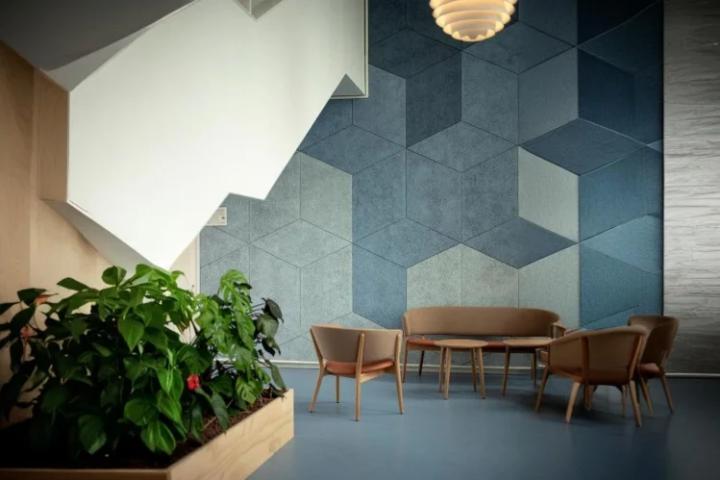
Hexagonal or grid-based layouts where different materials occupy separate but repeating zones
Fractal-inspired divisions that integrate texture and acoustics with artistic intent
These methods not only solve the problem—they turn the solution into a feature.
9. Respect the Acoustics—Don’t Sacrifice Function
In the quest for aesthetic harmony, it’s easy to downplay acoustic performance. Don’t. Acoustic Spray Ceilings are installed for a reason: they significantly reduce reverberation and improve speech clarity.
Always test acoustic values post-installation. If texture-heavy areas compromise overall performance, consider adding:
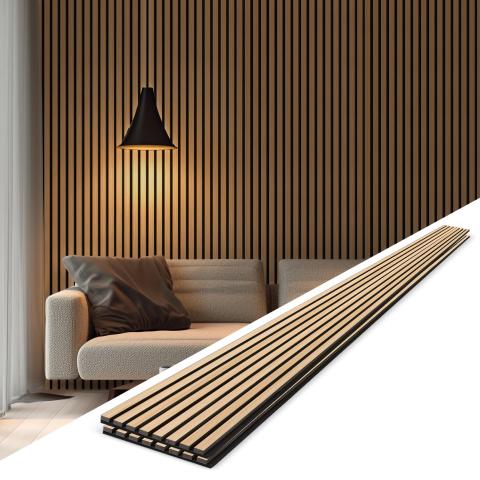
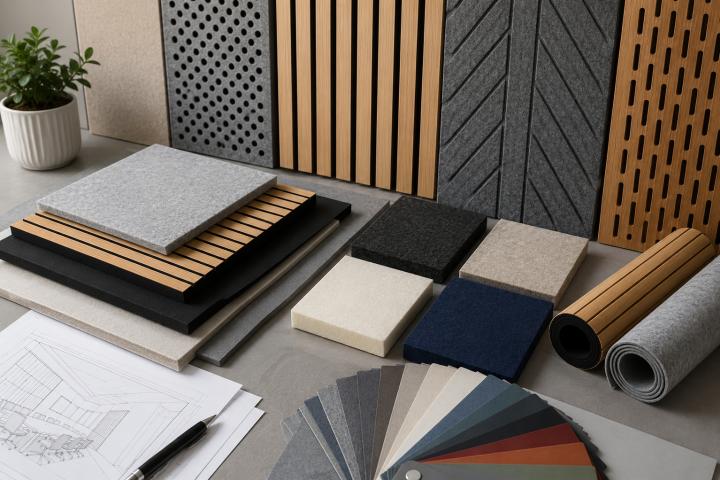
Acoustic wall panels
Fabric-wrapped absorbers
Ceiling baffles or rafts
These elements can supplement Acoustic Spray Ceilings while respecting the visual design.
10. Trial Samples Before Final Execution
Never underestimate the power of a test patch. Trial samples allow you to:
Observe how Acoustic Spray Ceilings interact with your chosen texture under actual lighting.
Check feathering quality at joints.
Experiment with finishes, gloss levels, or color compatibility.
These small previews can help avoid major mistakes and set realistic expectations for both clients and contractors.
Conclusion: Where Silence Meets Style
Blending Acoustic Spray Ceilings with textured surfaces is more than a technical necessity—it's a design opportunity. It allows you to create quiet, acoustically tuned environments without compromising visual identity. With thoughtful planning, clever transitions, and collaboration between trades, your ceilings can become the silent heroes of spatial design.