A Blockchain Development Company creates specialized digital systems using a type of shared, secure digital record called a blockchain or Distributed Ledger Technology (DLT). These companies build solutions that store data in a way that is highly resistant to change and manipulation, making business processes clearer, more efficient, and more trustworthy. The core service is to help businesses move beyond older, centralized systems to decentralized ones. This shift allows for automatic transactions through smart contracts and better security for digital assets and information, setting the stage for the next generation of online business.
Upgrade Your Business with Blockchain Expertise – Start Building!
🧐 Understanding Distributed Ledger Technology (DLT) and Its Significance
To understand the work of a Blockchain Development Company, it helps to know about Distributed Ledger Technology (DLT). A DLT is essentially a database shared and synchronized across a network of computers, meaning no single person or entity owns or controls the information. Blockchain is the most famous type of DLT.
This decentralization is a significant change from traditional data systems, where a central authority (like a bank or a single company server) holds all the records. In a DLT network, every participant has an identical copy of the data. When a new transaction or data record is created, the network must agree on its validity before it is added to the ledger. Once added, this record is linked to the previous ones using cryptography, forming an immutable chain. This process ensures data integrity and transparency among participants who may not fully trust each other. This fundamental concept is why DLT is seen as a key component of modern technology innovation, offering a new foundation for many digital services.
💡 Building Custom Blockchain Solutions for Businesses
One of the main services offered by a Blockchain Development Company is creating custom blockchain solutions for businesses. These aren't off-the-shelf software packages; they are systems designed from the ground up to solve a company's unique operational problems.
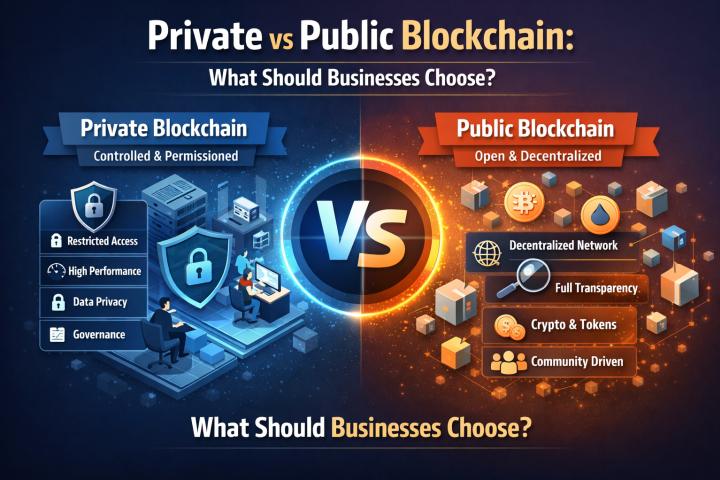
A business might need a custom solution because its existing workflows are complex, involve many separate parties, or suffer from lack of trust and slow paperwork. A custom solution begins with a deep analysis of the business’s needs, determining if a blockchain is truly the right tool. If it is, the blockchain development team then designs a specific platform, choosing the right architecture, whether it's a permissioned (private) or permissionless (public) blockchain, and the appropriate consensus mechanism—the method the network uses to agree on new data.
The Development Process for Custom Blockchain Solutions
Requirement Analysis and Feasibility: The first step is sitting down with the business to clearly define the problem. Is it about slow supply chain tracking? Is it about managing digital identities securely? The developers determine if a DLT solution is the best fit and what type of blockchain will meet the business's goals, focusing on factors like speed and privacy requirements.
Architecture Design: This stage involves planning the actual structure of the system. This includes deciding on the network size, how new members will be allowed in (if it's a private chain), and the rules for confirming new data blocks. The company might choose to build on established frameworks like Hyperledger or Ethereum, or build something entirely new.
Smart Contract Coding: Smart contracts are self-executing agreements with the terms of the agreement written directly into code. They automate processes, meaning money or assets can be exchanged automatically when predefined conditions are met. Coding these contracts is a critical part of the work, as the code directly controls important business logic.
Integration and Testing: The new blockchain system must often connect smoothly with the business's existing IT systems, like Enterprise Resource Planning (ERP) software. Extensive testing is done to ensure the solution is secure, runs quickly under load, and works exactly as intended before it goes live.
Custom solutions provide tailored features, enhanced security that is specific to the organization’s risk profile, and the ability to scale as the business grows.
🔐 Blockchain for Data Security and Identity Management Solutions for Enterprises
Data security and identity management are areas where DLT provides outstanding value. For large organizations, managing who has access to what data, and proving a person's identity, is a constant struggle with significant risks of data breaches.
Enhancing Data Security
A Blockchain Development Company addresses data security by using the core features of the technology:
Immutability: Once data is recorded on the chain, it cannot be changed or deleted. This creates an unalterable history, which is great for auditing, legal records, and tracking assets.
Cryptography: Information is secured using advanced math. Each block is cryptographically linked to the one before it, meaning any attempt to tamper with a single block would immediately invalidate the entire chain, alerting all participants.
Decentralized Storage: Data isn't kept in one central location, removing the single point of failure that hackers often target in traditional systems.
Identity Management Solutions
Traditional identity management often involves creating many different accounts and passwords, with a central provider holding all the sensitive personal information. A blockchain identity management solution shifts control back to the user through Self-Sovereign Identity (SSI).
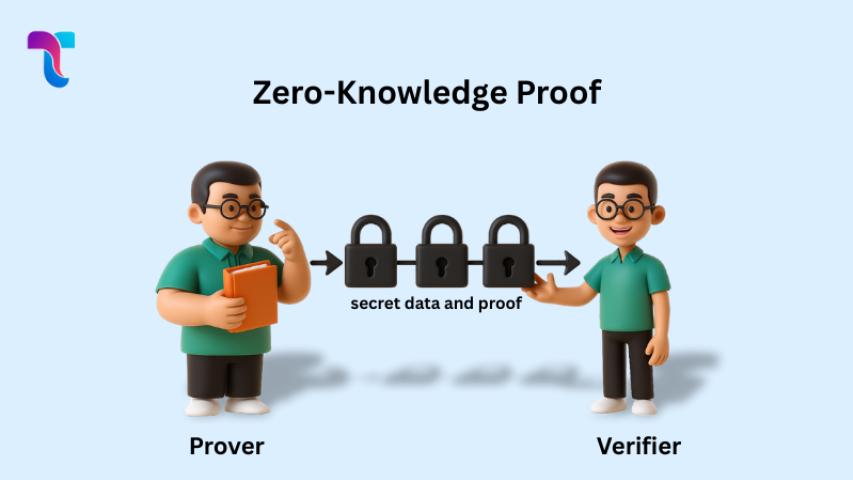
With SSI, the individual creates and owns their digital identity. They use a private key to securely store their credentials (like a driver's license, degree, or medical records) in a personal digital wallet. They can then share verified proof of their identity selectively, without giving up the actual underlying documents or relying on a central authority. For instance, a person could prove they are over 18 without revealing their exact birthdate.
Blockchain Development Companies build these SSI systems, providing a more private, secure, and easier way for people and businesses to verify who they are online. This is a powerful application of DLT for enterprises dealing with sensitive customer data.
🛍️ Creating Secure Decentralized Marketplaces
Another area of digital innovation led by Blockchain Development Companies is the creation of secure decentralized marketplaces. Traditional online marketplaces are managed by a single company (an intermediary) that controls the rules, holds the funds, and stores all the user data. Decentralized marketplaces aim to change this.
How Decentralization Works in Marketplaces
Decentralized marketplaces run on a blockchain and use smart contracts to manage transactions without a middleman.
Automated Transactions: When a buyer agrees to purchase an item, a smart contract holds the buyer's payment. Once the contract receives confirmation (often through a pre-agreed process) that the product has been delivered or the service rendered, the contract automatically releases the payment to the seller. This eliminates the need for a third-party payment processor or escrow service.
Reputation and Trust: Since all transactions are recorded immutably on the blockchain, a transparent and tamper-proof history of every user's activity, ratings, and reviews is created. This allows participants to build genuine trust based on verifiable records, rather than relying on the platform's central management.
Data Control: User data and transaction details are encrypted and distributed across the network, making the entire platform more resilient to fraud and censorship. The structure is often governed by the community of users themselves, giving them a say in the platform's future.
A Blockchain Development Company provides the essential blockchain marketplace development expertise to build these platforms, designing the smart contracts, user interface, and overall economic structure (tokenomics) to ensure fairness and efficiency for both buyers and sellers. This model is being applied to everything from e-commerce to art (NFT marketplaces) and financial trading.
💰 Decentralized Finance (DeFi) Solutions and Services
Decentralized Finance, or DeFi, is one of the most talked-about applications of blockchain. Blockchain Development Companies are major players in building these new financial services. DeFi aims to recreate traditional financial services—like lending, borrowing, and trading—in a way that is open, borderless, and operates without traditional financial institutions.
Key DeFi Solutions
Decentralized Exchanges (DEXs): These platforms allow users to trade digital currencies directly with each other, peer-to-peer, without a centralized exchange holding their funds. The blockchain development services here focus on creating efficient, secure trading protocols and ensuring fair prices.
Automated Lending and Borrowing Platforms: Smart contracts manage pools of assets. Users can deposit their assets to earn interest, while others can borrow from these pools, often posting collateral. The contract automatically manages the loans, interest rates, and liquidation rules, removing the need for a bank to act as the intermediary.
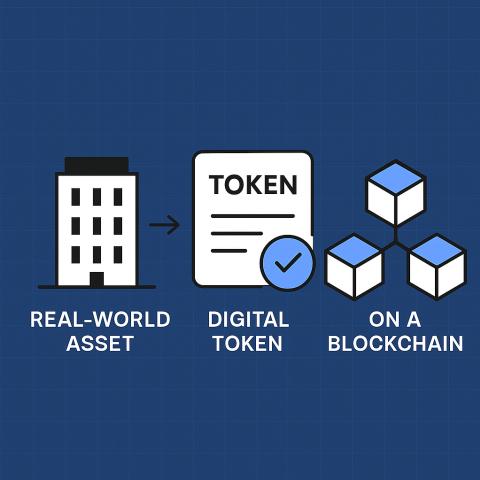
Asset Tokenization: This involves creating a digital representation (token) of a real-world asset, such as real estate, gold, or company shares, on a blockchain. This process can make these assets easier to divide, buy, and sell globally. Blockchain Development Companies create the specific tokens and the systems to manage their legal compliance and trading.
The role of a Blockchain Development Company in DeFi is to write the complex, auditable code for these smart contracts, ensuring the financial logic is sound and the platforms are resistant to attacks. They are essentially creating the digital infrastructure for a new financial system.
🔗 The Role of Blockchain in Modern Supply Chain Management
One of the most practical and widely adopted uses of DLT outside of finance is in supply chain management. Traditional supply chains are often opaque, making it difficult to verify the origin, handling, or authenticity of a product. This leads to issues with counterfeiting, fraud, and a lack of accountability.
Tracking and Traceability Solutions
A Blockchain Development Company designs systems to give every product a unique digital identity that is recorded on the ledger. As the product moves from the farm or factory to the consumer, every major touchpoint—such as shipping, processing, or quality control checks—is recorded on the blockchain as an immutable transaction.
This provides:
Instant Traceability: Stakeholders can track a product's history back to its origin quickly, which is crucial for recalling contaminated food or verifying luxury goods.
Authenticity Verification: Consumers can scan a code to prove that an item is genuine and not a fake.
Increased Transparency: Businesses can share specific, verified data with partners or customers, proving compliance with ethical or environmental standards, like fair trade or sustainable sourcing.
For blockchain supply chain development, the focus is on integrating DLT with existing physical systems, like sensors and scanners, to ensure data entry is automatic and accurate, thus creating a reliable digital ledger technology for goods.
🔮 Looking Ahead: Future Innovations in Blockchain Development
The work of a Blockchain Development Company is not static; it constantly pushes the limits of digital innovation. As the technology matures, new areas of application continue to appear, often referred to under the umbrella of Web3 development.
Web3 and Metaverse Infrastructure
Web3 refers to the idea of a decentralized internet where users control their own data and identity. Blockchain Development Companies are building the foundational pieces for this, including:
Decentralized Autonomous Organizations (DAOs): These are organizations run by code and governed by a community of token holders, rather than a central CEO or board. The company writes the code for the voting and operational rules of the DAO.
Metaverse Assets (NFTs): Non-Fungible Tokens (NFTs) prove unique ownership of digital items. NFT marketplace development is a key service, creating platforms where digital art, virtual land, and other assets can be securely bought and sold.
Scalability and Interoperability
The current challenge for DLT adoption is often the speed and cost of transactions (scalability), and the ability of different blockchains to talk to each other (interoperability). Future blockchain development will focus on finding new ways to speed up transaction times (e.g., Layer 2 solutions) and create secure bridges that allow assets to move seamlessly between different blockchain networks. This will make the technology much more useful for high-volume daily activities.
The expertise of a Blockchain Development Company lies in staying ahead of these trends, ensuring that the digital solutions they build today are ready for the decentralized future. They act as the architects and builders of a more secure, transparent, and distributed digital economy.
🤝 Selecting the Right Blockchain Development Company for Digital Growth
Businesses looking to adopt DLT for a competitive advantage must choose their Blockchain Development Company carefully. This choice is about finding a partner with the deep technical and industry knowledge required to build a system that aligns with the business’s long-term goals.
What to Look for in a Blockchain Partner
Demonstrable Technical Proficiency: The company must have strong expertise in the relevant programming languages (like Solidity for Ethereum or Go for Hyperledger) and consensus mechanisms. They need to show they can build a system that is secure, fast, and stable.
Focus on Security and Audits: Because smart contracts handle valuable assets and control important logic, they must be free of errors. A quality development firm will follow strict code review and external auditing processes to ensure the digital solution is secure against attacks and logical flaws.
A Clear Methodology for Development: A good company follows a structured, multi-step process for development—from initial planning and conceptualization to rigorous testing and final deployment. They should clearly define how the new system will integrate with the business's existing IT structure.
Understanding of Business Context: The best solutions are built by teams who understand the business's specific industry—whether it's finance, healthcare, or logistics. This industry-specific expertise ensures the final product solves real-world problems rather than simply applying technology for its own sake.
By partnering with a skilled Blockchain Development Company, businesses can effectively implement digital ledger technology to build secure systems, automate processes with smart contracts, and ultimately stay at the forefront of the technological evolution.