
A modern website is no longer just a collection of pages and links—it’s a digital environment where visitors explore, react, and connect. People expect digital spaces to feel alive, fluid, and tailored to their actions. The difference between a regular website and an interactive one lies in how it responds to users: every click, scroll, and hover becomes part of an unfolding experience.
That’s the essence of Immersive Web Experiences—web environments that merge design, storytelling, and technology to make users feel actively engaged rather than passively browsing.
1) Real-Time Responsiveness and Micro-Interactions
Interactivity begins with responsiveness. When users take action—whether it’s clicking a button or dragging an element—the website should react immediately and meaningfully.
Micro-Animations
Small yet precise animations, such as a button ripple or image expansion, create instant visual feedback. These micro-cues make navigation intuitive and satisfying without overwhelming the user.Scroll-Based Triggers
Animations or content that reveal themselves as the user scrolls make the experience feel guided and dynamic. It feels like the website is responding to motion in real time.Gesture and Cursor Reactions
When the site detects cursor proximity or touch gestures and reacts smoothly, it gives the impression of a responsive, intelligent system.
2) Storytelling Through Visual Flow
Great websites don’t just display information—they tell a story. Immersive design guides users through content like a narrative, using rhythm and pacing to control attention.
Sequential Layouts
Breaking long-form content into visually connected segments helps users follow a logical progression without feeling lost.Cinematic Scrolling
Visual transitions, parallax layers, and moving backgrounds mimic film techniques, immersing the viewer in a continuous narrative flow.Thematic Consistency
Colors, fonts, and shapes that align with a clear brand story create emotional coherence across the experience.
3) Personalized User Journeys
No two visitors are alike, and personalization makes users feel understood. Interactive systems that adapt content dynamically elevate engagement and relevance.
Behavior-Based Adaptation
Websites can modify their layout or recommendations based on browsing history, location, or time of day, creating a sense of personalization.Dynamic Content Modules
Content that changes depending on what users click or hover over allows for custom exploration paths.AI-Driven Insights
Machine learning can anticipate what users are looking for, offering suggestions or shortcuts that make navigation seamless.
4) Integration of Sound and Motion
Adding subtle audio or motion effects enhances sensory immersion, provided they’re used thoughtfully and with restraint.
Ambient Soundscapes
Soft, non-intrusive background audio can reinforce emotion and tone, especially for storytelling websites.Synchronized Motion
Coordinated transitions between visuals, audio, and movement create a cohesive experience similar to interactive media or games.Sound-Based Feedback
Click tones or hover sounds provide cues that confirm user interaction, improving usability while maintaining immersion.
5) 3D Environments and Depth Illusion
Three-dimensional visuals break the flatness of traditional web layouts and invite exploration. Advances in WebGL, Three.js, and interactive shaders make this possible on standard browsers.
Depth and Perspective Effects
Parallax scrolling and layered motion simulate real-world depth, making content feel more tangible.Interactive 3D Models
Users can rotate, zoom, and explore digital objects in real time. This feature is especially useful for product showcases and educational sites.Performance Optimization
High-quality 3D experiences depend on efficient coding to prevent lag and ensure smooth animation across devices.
6) Immersive Navigation Techniques
Navigation is a core part of the interactive journey. When movement between pages feels fluid and guided, the user experiences immersion rather than interruption.
Seamless Page Transitions
Instead of abrupt reloads, smooth transitions between sections maintain flow and narrative continuity.Contextual Menus
Adaptive menus that adjust based on the section or action make exploration feel intuitive.Spatial Navigation
Using space-based navigation, such as rotating galleries or interactive maps, allows users to “move” through content in creative ways.
7) Real-Time Collaboration and Shared Experiences
Interactivity becomes more powerful when users can share and engage together within the same environment. Real-time collaboration features enhance engagement and community building.
Shared Virtual Spaces
Users can interact with one another in real time, ideal for online exhibitions, training, or conferences.Multi-User Interaction
Features such as synchronized drawing, voting, or annotation allow multiple participants to collaborate inside the website.Live Data Feeds
Displaying user-driven statistics or updates creates a sense of community involvement and collective participation.
8) Emotional Design and Behavioral Triggers
Emotion plays a major role in engagement. A website that evokes curiosity, excitement, or trust keeps users involved for longer.
Color Psychology
Colors influence mood and perception. Warm tones invite action, while cool shades establish calmness and focus.Animation Timing and Rhythm
Smooth pacing between movements mimics natural motion and maintains user comfort. Abrupt or random animation breaks immersion.Human-Centered Messaging
Personalized copywriting that speaks directly to the user creates emotional warmth and connection.
9) Accessibility and Inclusive Design
A truly immersive website is one that welcomes everyone. Accessibility ensures that all users, including those with disabilities, can participate fully in the digital experience.
Keyboard and Screen Reader Support
Interactivity must extend beyond visuals—keyboard-friendly navigation and descriptive tags guarantee inclusivity.Readable Design Choices
High contrast, legible fonts, and clear hierarchy make information accessible to all users without sacrificing beauty.Custom Interaction Modes
Allowing users to control animation intensity or audio ensures comfort and choice within the experience.
10) Seamless Integration of Performance and Aesthetics
No amount of creative design can compensate for a slow, lagging website. Immersion depends heavily on speed and smoothness.
Optimized Loading Sequences
Preloaders or skeleton screens keep users engaged while content loads, preventing frustration.Lazy Loading and Asset Management
Smart resource handling prioritizes visible elements first, ensuring the experience feels uninterrupted.Cross-Device Consistency
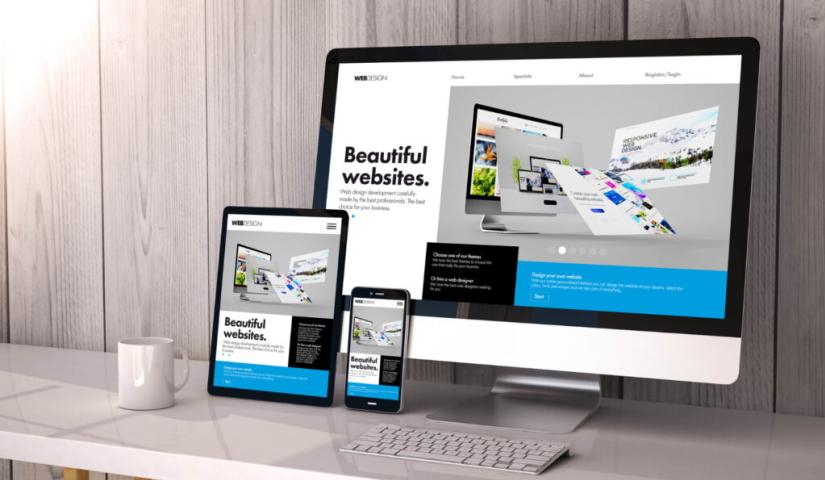
Whether viewed on mobile, tablet, or desktop, the site must deliver consistent quality and interactivity without glitches.
How Designers Create a Fully Interactive Web Experience
To achieve true immersion, designers must blend creativity with technical precision. Each interactive feature should serve a purpose—enhancing usability or deepening the emotional connection rather than existing for novelty alone.
Balance Between Form and Function
Overusing animations or effects can distract from content. Professionals ensure every feature aligns with usability goals.Prototyping and Testing
Interactive prototypes allow teams to evaluate flow, timing, and engagement before launch. Feedback ensures refinements match user expectations.Iterative Enhancement
Post-launch monitoring helps identify which interactive elements drive engagement and which can be optimized or simplified.
Future Directions of Immersive Web Development
The next generation of websites will blur the line between physical and digital experiences even further. With advancements in AI, motion design, and virtual interaction, the web will feel increasingly personal and intuitive.
Voice interaction, real-time 3D rendering, and connected ecosystems are paving the way for digital spaces that behave more like applications or environments than traditional pages. These innovations are redefining how brands, educators, and creators connect with audiences online.
Conclusion
True Immersive Web Experiences blend motion, emotion, and interaction to make users feel part of a story rather than passive observers. By combining storytelling, sensory engagement, and intelligent design, developers create spaces that communicate dynamically and intuitively. As technology progresses, building an Immersive Website will mean designing not just for screens, but for sensations—crafting digital experiences that move, respond, and connect like never before.