In today’s competitive business environment, organizations are expected to deliver projects faster, manage resources more effectively, and maintain quality standards without exceeding budgets. Whether in technology, manufacturing, construction, marketing, or..
Cement is one of those industries that looks simple from the outside and turns out to be a dozen different supply chains stacked together. Manufacturing plants, ready-mix producers, aggregate suppliers,..
Renovating a building in Minnesota in February, or gutting a commercial space in Wisconsin mid-December, isn't something crews can schedule around the calendar. Deadlines don't move for the weather, and..
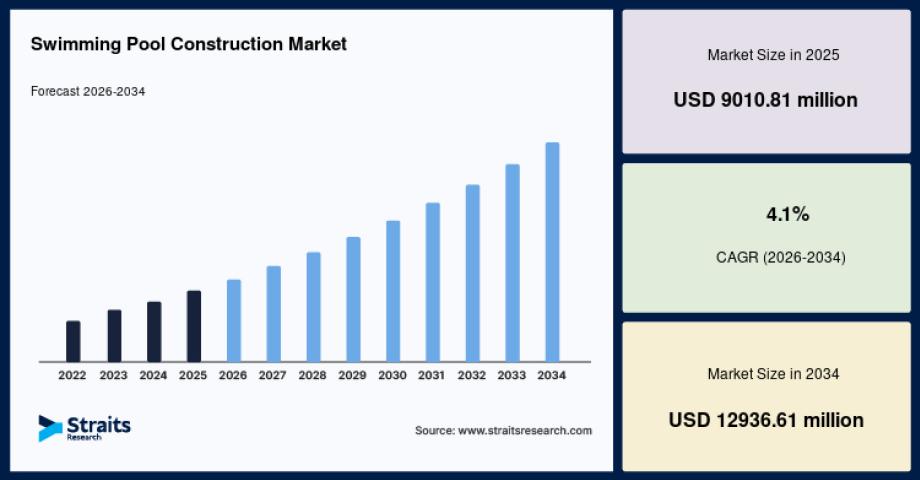
The global swimming pool construction market is witnessing steady growth due to increasing residential and commercial construction activities, rising disposable incomes, and growing demand for luxury recreational amenities. The global..
Efficient waste management is essential for keeping residential, commercial, and construction sites clean, safe, and environmentally responsible. Whether you're renovating a property, clearing out unwanted materials, or managing a large..
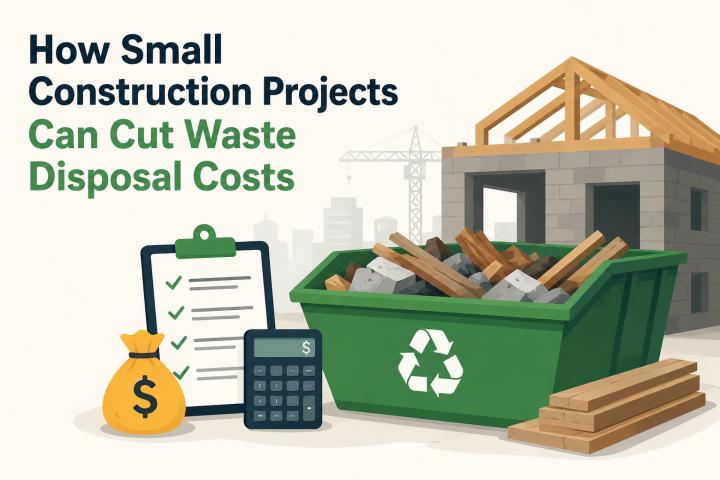
Small construction projects often seem straightforward. Whether it's a bathroom renovation, a backyard makeover, a garage conversion, or a small office fit-out, many property owners focus on materials, labor, and..
So,
when you renovate a villa, it feels like you get to re build your whole space,
kind of like taking what you already have and turning it into something..
A
swimming pool can really change the whole feel of a home, turning it into a
space where families relax, keep moving and share real time together. But when
a..
The digital economy has transformed the way businesses operate, communicate, and grow. Companies that once relied on traditional marketing and manual processes are now embracing technology driven solutions to improve..
In civil and structural engineering, design alone does not guarantee safety or durability. A bridge can be perfectly engineered on paper, but if the materials used are substandard, failure becomes..
Every founder building a web product eventually hits the same wall: which language should the backend run on? The answer shapes your hiring pool, your development speed, and how easily..
Artificial intelligence continues to dominate business conversations, but enthusiasm alone does not guarantee results. While many companies rush to adopt AI in hopes of gaining a competitive edge, a large..
As digital products grow, so do their engineering organizations. What begins as a clean, focused development effort can quickly turn into a maze of competing priorities, cross-team dependencies, and unclear..
Guide to Staff Augmentation: How Flexible Engineering Teams Deliver Predictable ResultsAs product roadmaps grow more ambitious and release cycles accelerate, many engineering teams face the same challenges: hiring takes too..
Managing complex initiatives across departments, countries, and time zones is one of the biggest challenges large corporations face today. Enterprise project management (EPM) offers a framework that brings order, transparency,..
Capturing the attention of investors begins long before the first pitch meeting. A well-structured and compelling presentation of a business project is often the difference between securing funding and being..
Startups operate under tight budgets and ambitious goals, making it essential to master the art of managing projects effectively. Let’s explore actionable strategies to enhance your project management game.Key Elements..
Project management
software has become an essential tool for businesses of all sizes, streamlining
workflows, enhancing collaboration, and driving efficiency. As technology evolves,
so do the expectations of users. The..