
The dream of financial independence often starts small—with a side hustle. It's the perfect training ground, a low-risk way to test a business idea while maintaining the security of a day job. The ultimate goal for many is turning that hustle into a full-fledged, scalable online business. This article provides a roadmap, moving you from initial idea generation to successfully launching your own digital venture. Knowing how to start a side hustle successfully is the first step toward achieving lasting entrepreneurial freedom.
Phase 1: Finding Your Side Hustle Sweet Spot
A side hustle is not just about making extra cash; it’s about leveraging your existing skills, passions, or knowledge to solve a specific problem for others. Learning how to start a side hustle begins here, with self-assessment.
1. The Skill Audit: What Can You Sell?
Before searching for ideas, look inward. What skills do you possess that people genuinely need or are willing to pay for? Divide your skills into three categories:
Professional Skills (The Paid Hustle): Are you a great graphic designer, copywriter, bookkeeper, social media strategist, or programmer? Freelancing these skills is the quickest way to monetize.
Passion Skills (The Niche Hustle): Do you bake amazing cookies, play an instrument, or excel at fitness training? These can be turned into paid courses, digital products, or small-scale physical sales.
Asset Leverage (The Low-Effort Hustle): Can you rent out a spare room (Airbnb), drive for a ride-share service, or sell old items? These require minimal new skill acquisition.
The Golden Rule: The best side hustles exist at the intersection of What You're Good At, What You Enjoy, and What People Will Pay For.
2. Validating Your Idea
Never spend weeks building something without knowing if there's an audience for it. This is the validation step—critical for anyone serious about how to start an online business.
Test the Market: Search online. Are competitors already doing this? If yes, that's good—it proves demand. Identify what they do well and where they fall short.
Start Small and Cheap: Don't build a massive e-commerce site immediately. Create a simple landing page, launch a small service offering on platforms like Fiverr or Upwork, or sell your first ten products through a social media group. The goal is to get your first paying customer as fast as possible.
Get Feedback: Once you have a customer, ask detailed questions about their experience. Use their honest feedback to refine your product or service.
Phase 2: Transitioning to a Structured Online Business
A side hustle is often unstructured and reliant on your time. A true online business is scalable, automated, and built on systems. The key is shifting your mindset from "selling time" to "selling solutions." This section details the necessary steps for how to start an online business with longevity.
1. Define Your Digital Product or Service
Online businesses thrive on products that can be delivered digitally or automated, freeing up your time:
Digital Products: E-books, online courses, templates (resumes, financial trackers), stock photos, or specialized software tools. These have high upfront effort but near-zero marginal cost per sale.
E-commerce/Dropshipping: Selling physical goods, but with a focus on marketing and logistics efficiency.
Software as a Service (SaaS): Developing a subscription-based tool to solve a recurring business problem.
2. Building Your Digital Home Base
Your business needs a professional, central hub. This is typically a dedicated website—the essential infrastructure for how to start an online business.
Platform Choice: Start with user-friendly builders like WordPress, Shopify (for e-commerce), or Squarespace. You don't need complex coding skills initially.
The Landing Page: The primary purpose of your site is to convert visitors. Ensure your homepage clearly states what you do, who you help, and why you are different. Include strong calls-to-action (CTAs).
Collect Emails: Email marketing is the most powerful retention tool. Offer a valuable "lead magnet" (a free guide, template, or checklist) in exchange for the visitor's email address.
3. Implementing the Right Systems (Automation)
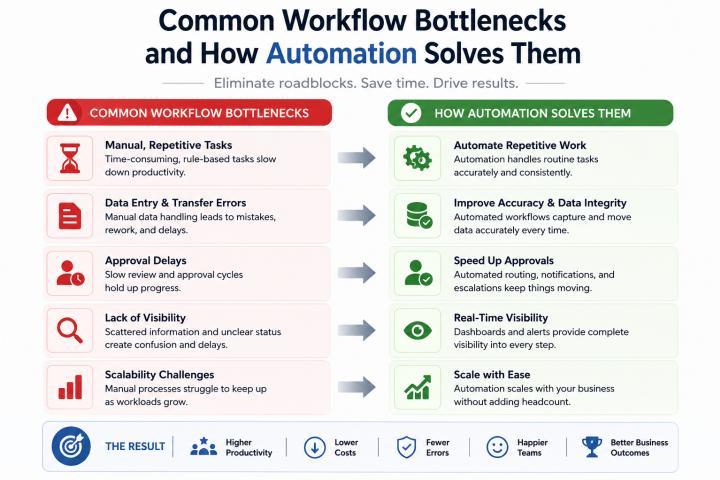
The difference between a side hustle and a successful online business is automation. As an online business owner, you must focus on the highest-value tasks (strategy, product development) and automate everything else.
Marketing Automation: Use tools like Mailchimp or HubSpot to send automated welcome sequences and newsletters.
Payment Processing: Set up reliable systems like Stripe or PayPal for secure transactions.
Customer Service: Implement FAQs, chatbots, or helpdesk software to handle common queries without your direct involvement.
Phase 3: Marketing and Scaling Your Online Presence
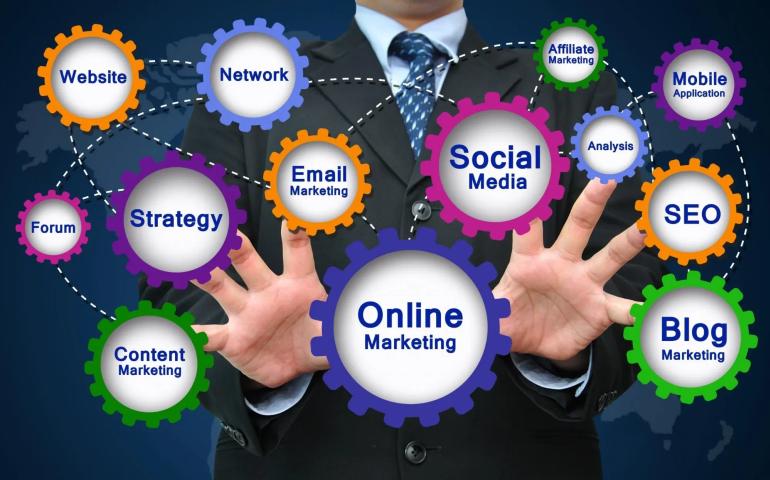
An incredible product is useless if no one knows it exists. Effective marketing is the engine of an online business.
1. Content Marketing and SEO
Establish authority by creating consistent, high-quality content (blogs, videos, podcasts) that answers your audience's questions.
Search Engine Optimization (SEO): Optimize your content and website structure to rank highly on Google. This drives free, targeted organic traffic—the lifeblood of any scalable online business.
2. Leveraging Social Media
Use social platforms not just for posting, but for listening and community building.
Platform Focus: Don't try to be everywhere. Choose 1-2 platforms where your ideal customer spends the most time (e.g., LinkedIn for B2B, TikTok/Instagram for visual products).
Provide Value First: Your posts should educate, entertain, or inspire, not just sell.
3. Understanding the Legal Structure (Formalizing the LLC)
As your revenue grows, formalizing your business structure becomes crucial. Registering an LLC (Limited Liability Company) protects your personal assets from business debts, a vital step when transitioning from a hobby to a high-earning online business. This legal step solidifies your position as a professional entity.
Conclusion
Starting a side hustle is an act of proactive personal development; launching an online business is an act of strategic scaling. The journey requires discipline, a willingness to iterate constantly, and a commitment to providing real value. By methodically moving from idea validation to digital infrastructure and finally to scaled marketing, you can successfully navigate the digital landscape and build a profitable, sustainable online venture that lasts.