Care begins with respect. When movement becomes hard, the patient hoist supports both comfort and safety from bed to chair. Families and carers face daily tasks that demand strength, focus, and calm. With the right approach, lifting turns from strain into steady care. This article explains how thoughtful lifting tools shape safer routines and protect dignity at every step.
Why Safe Lifting Shapes Daily Care
Lifting affects the body of the person and the carer. Good practice reduces harm and builds trust.
Protects physical health
Proper lifting keeps the spine aligned and reduces strain on arms and backs.Preserves dignity
Smooth transfers avoid fear and support confidence during movement.Builds routine and trust
Predictable steps help people feel secure during care.
Because of these reasons, safe lifting stands at the heart of daily support.
Understanding the Role of a Patient Hoist
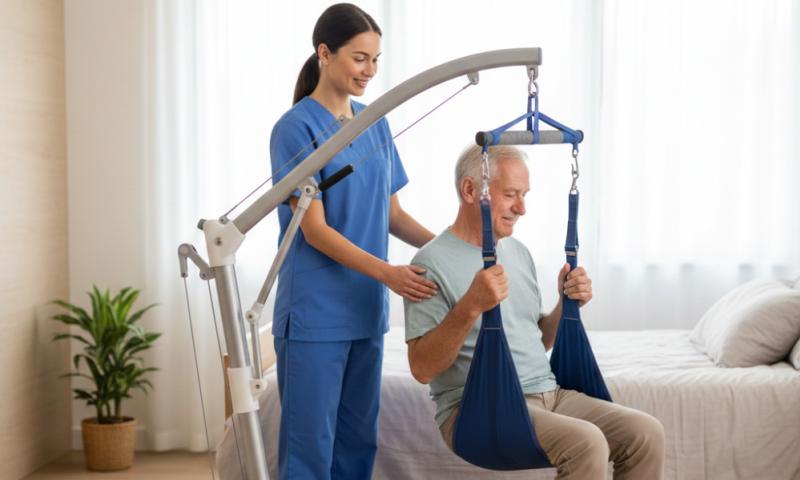
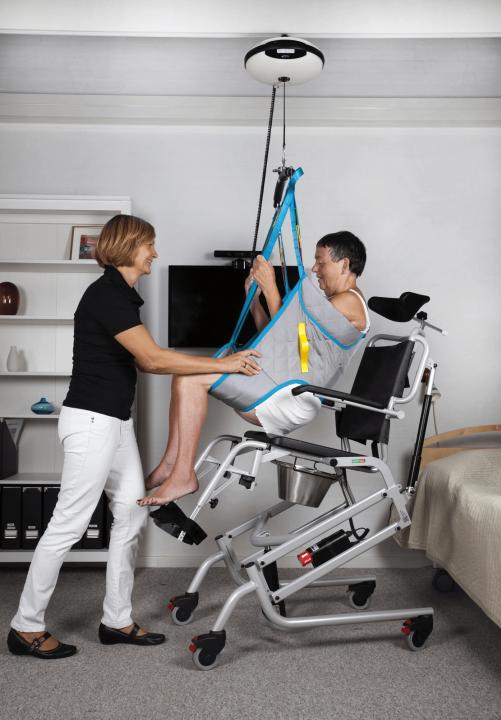
A patient hoist helps move a person between surfaces without manual strain. It uses controlled motion to support the body through each stage.
Stable support frame
The frame carries weight and keeps balance during movement.Sling connection
The sling cradles the body and spreads pressure.Controlled lift action
Smooth lifting allows clear control and calm pacing.
Together, these parts turn lifting into a measured task rather than a test of strength.
When a Patient Lifter Becomes Essential
A patient lifter suits settings where daily transfers occur. It supports carers who manage repeated movements.
Home care settings
It allows family members to assist without injury.Care facilities
It supports consistent routines across shifts.Recovery periods
It aids people who regain strength over time.
In each case, the lifter creates space for care that feels calm and organised.
Key Features That Shape Comfort and Control
Design choices affect how lifting feels for everyone involved.
Smooth wheels
These allow gentle movement across floors.Clear hand controls
Simple controls help carers focus on the person, not the device.Secure sling fit
A proper fit supports posture and comfort during lifts.
These features work together to maintain balance and ease.
How to Use Lifting Equipment with Confidence
Confidence grows through clear steps and attention.
Prepare the space
Clear paths and lock wheels before lifting.Explain each step
Calm words reduce fear and build trust.Move with steady pace
Controlled motion keeps the body stable.
Through these steps, the patient lifter becomes a partner in care rather than a source of stress.
Creating a Safer Care Environment
Tools alone do not define care. Attitude and method matter.
Training and practice
Repeated use builds skill and confidence.Routine checks
Inspect slings and frames before each use.Respectful interaction
Eye contact and clear speech support dignity.
When carers combine these habits with the patient hoist, daily routines feel smoother and safer.
Care That Moves with Compassion
Movement should never steal comfort or respect. A patient lifter supports safe transfers, while thoughtful use protects health and dignity. When care teams choose steady methods and clear routines, lifting turns into an act of support. Each careful movement builds trust, comfort, and peace for those who depend on care every day.