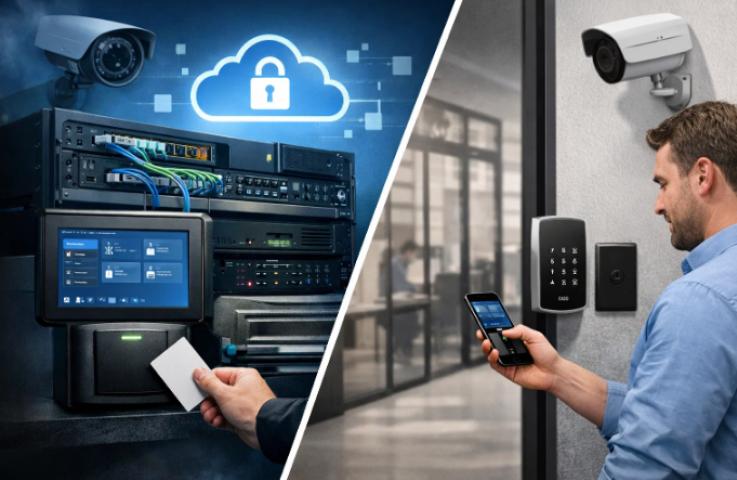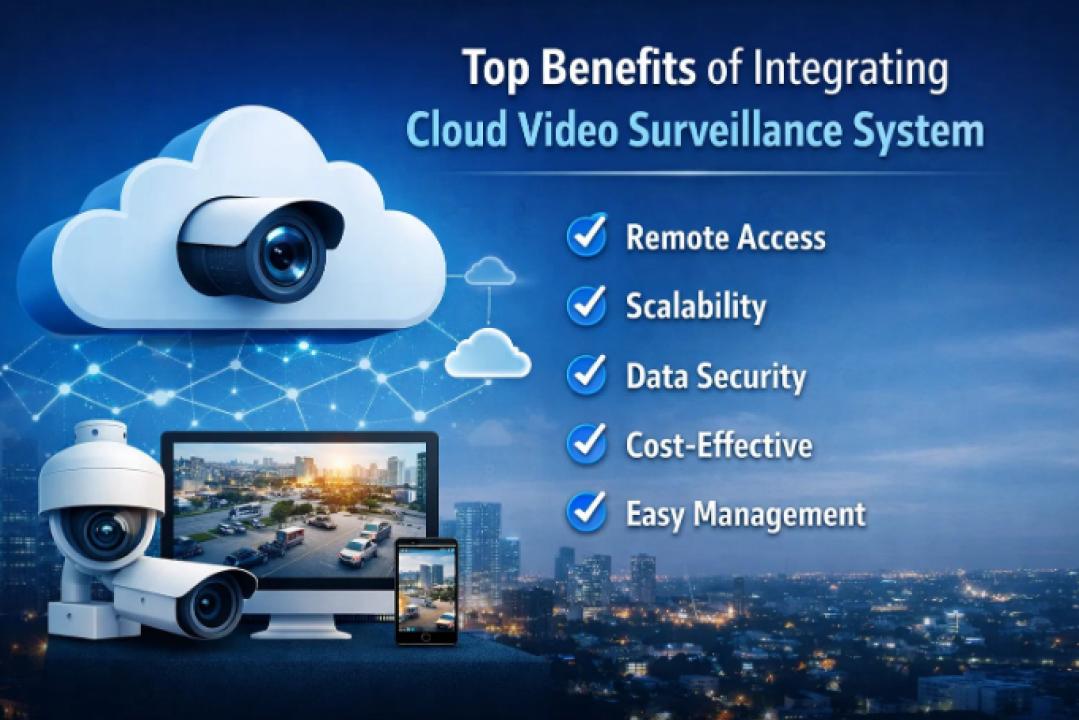
In the ever-evolving world of business security, the integration of cutting-edge technologies plays a pivotal role in safeguarding assets, ensuring smooth operations, and enhancing the overall safety of a workplace. One of the most transformative advancements in security systems is the adoption of cloud video surveillance systems. These systems offer businesses a sophisticated, scalable, and cost-effective solution to traditional surveillance methods. This article explores the top benefits of integrating cloud video surveillance into your business operations.
1. Remote Access Anytime, Anywhere
One of the most significant advantages of cloud-based video surveillance systems is the ability to access live video feeds and recorded footage remotely. Whether you're at the office, working from home, or traveling abroad, cloud video surveillance allows you to monitor your premises from any location with an internet connection. This 24/7 access provides peace of mind and ensures that business owners, managers, and security teams can respond quickly to any security threats or operational issues.
Traditional CCTV systems typically require physical access to the recording devices or on-site servers to view footage, which can be time-consuming and impractical. In contrast, a cloud video surveillance system offers the flexibility to manage your security infrastructure from a smartphone, tablet, or computer—anytime, anywhere.
2. Scalability and Flexibility
Cloud video surveillance systems are inherently scalable, making them an excellent choice for businesses of all sizes. Whether you're running a small retail store or managing a large multi-location enterprise, cloud surveillance can grow with your needs. New cameras can be added to the system without significant installation or hardware upgrades, and storage can be easily expanded as your business grows.
This scalability makes cloud video surveillance especially beneficial for businesses that plan to expand or those with multiple branches or locations. With a centralized cloud system, you can manage all your security feeds from a single interface, streamlining operations and reducing complexity.
3. Cost-Effective
Cloud video surveillance systems often require lower upfront costs than traditional analog CCTV systems. There is no need for expensive on-site infrastructure like video recorders, storage devices, or dedicated servers. With cloud storage, businesses only pay for the space and bandwidth they use, and costs are typically predictable, eliminating the need for unexpected expenses related to hardware maintenance and upgrades.
Moreover, businesses save on the costs associated with managing and maintaining an on-premise system. There’s no need to employ specialized IT staff for hardware upkeep or worry about equipment failure. Cloud service providers handle all system updates, security patches, and software maintenance, which reduces the burden on your internal team and ensures your system remains up to date.
4. Improved Data Security
Data security is a top concern for businesses, particularly when it comes to sensitive information captured by video surveillance systems. Cloud video surveillance systems generally offer advanced security features such as encryption, multi-factor authentication, and secure cloud storage to protect your data. Leading cloud service providers ensure that video footage is stored in secure, geographically distributed data centers with redundant backup systems.
In addition, cloud surveillance systems offer the ability to set user permissions, ensuring that only authorized personnel can access certain footage. This level of control is difficult to achieve with traditional on-site surveillance systems, where physical access can sometimes be a security vulnerability. In the event of a disaster, such as a fire or burglary at the business premises, cloud-stored video data is safe from local threats, ensuring that important footage remains intact.
5. Advanced Analytics and Smart Features
Cloud video surveillance systems are often paired with advanced video analytics that enhances the overall functionality of the security system. Features like motion detection, facial recognition, and object tracking allow businesses to identify potential threats or anomalies in real-time. For example, cloud-based analytics can automatically alert security personnel if a person enters a restricted area or if unusual activity is detected, making it easier to respond proactively to security events.
These systems can also provide insights into operational aspects of your business. For instance, analytics can track customer behavior in retail environments, monitor employee activity in office spaces, or even analyze traffic patterns in parking lots. This data-driven approach not only improves security but can also help businesses optimize their operations and make informed decisions based on real-time data.
6. Centralized Management
Managing multiple locations or facilities can be challenging, especially when dealing with various surveillance systems. Cloud video surveillance systems provide centralized management, allowing business owners and security managers to view footage from all locations in a single, unified dashboard. Whether you’re overseeing several offices, warehouses, or retail stores, the cloud system consolidates all security data in one place, making it easier to monitor activities and respond to incidents promptly.
Centralized management can also simplify system configurations, troubleshooting, and reporting. In the event of an incident, you can quickly review footage from all relevant locations and gather the necessary evidence without having to physically access each site. This feature is particularly beneficial for businesses with a distributed workforce or operations across multiple regions.
7. Real-Time Alerts and Notifications
Cloud video surveillance systems are equipped with real-time alert capabilities, which can notify users of potential security events as soon as they occur. These alerts can be delivered via email, text message, or app notifications, ensuring that you stay informed about important incidents no matter where you are. For instance, if a security breach is detected, the system can send an immediate notification to your mobile device, allowing you to take prompt action, such as alerting the authorities or notifying security personnel on-site.
Real-time alerts are also beneficial for operational monitoring. For example, if a camera detects unusual activity or if a machine in a factory experiences a malfunction, the system can notify the relevant personnel to prevent any disruptions to business operations.
8. Enhanced Customer Service
Beyond security, cloud video surveillance systems can enhance customer service, particularly in retail and service-oriented businesses. By monitoring customer interactions and analyzing foot traffic, businesses can optimize store layouts, product placements, and staffing levels. Video analytics can also be used to monitor queue lengths, assess wait times, and ensure that customer service standards are being met.
Furthermore, businesses can use surveillance footage to train employees, improve service quality, and resolve disputes. For example, video footage can be reviewed to understand customer complaints or evaluate how employees interact with customers, leading to improvements in the overall customer experience.
9. Business Continuity and Disaster Recovery
Business continuity is critical, especially in the face of natural disasters, cyberattacks, or other unforeseen events. With cloud video surveillance, businesses can ensure that their security systems remain operational, even if physical equipment at the business location is damaged. Cloud storage provides a safe and secure off-site backup for video data, enabling businesses to retrieve and review important footage in the event of system failure, theft, or other emergencies.
Additionally, cloud systems often come with built-in disaster recovery capabilities, allowing businesses to recover lost footage or data quickly and efficiently. This ensures that critical security footage is preserved and accessible, even in the most challenging situations.
10. Environmentally Friendly and Energy Efficient
Cloud video surveillance systems are also more environmentally friendly compared to traditional surveillance setups. By eliminating the need for on-site servers, large data storage devices, and other hardware, cloud systems reduce energy consumption and minimize the carbon footprint associated with maintaining security infrastructure. Furthermore, many cloud service providers are committed to using renewable energy sources to power their data centers, contributing to a greener, more sustainable solution.
Conclusion
Integrating a cloud video surveillance system into your business offers a range of compelling benefits that enhance security, improve operational efficiency, and reduce costs. The flexibility of remote access, the scalability of the system, the robust security features, and the added analytics capabilities make it an ideal choice for businesses of all sizes. Whether you are focused on safeguarding assets, improving customer service, or ensuring business continuity, cloud video surveillance provides the tools necessary to protect your business in the modern digital age.