
A game development company builds games by turning ideas into playable digital experiences through planning, design, art, programming, testing, and ongoing support. Every decision made during this process affects how a game feels, performs, and connects with players. Knowing how these companies work helps studios, brands, and creators set clear expectations and build stronger collaborations. This guide explains the fundamentals of a game development company in a simple and clear way, focusing on how games are created from start to finish without technical confusion.
Game development follows structure and discipline. Creativity matters, yet structure keeps projects stable and playable. When the fundamentals stay strong, games reach players with smooth controls, clear visuals, and reliable performance across platforms.
The Core Purpose of a Game Development Company
A game development company exists to create interactive entertainment that works smoothly on selected platforms such as mobile devices, PCs, and consoles. The company manages both creative direction and technical execution. This includes shaping the game idea, building systems, creating visuals, and preparing the game for release and updates.
Game development companies often work on different types of projects. Some focus on casual mobile games with simple mechanics. Others work on complex PC or console games with deep systems. Despite these differences, the core goal stays the same: deliver a playable and stable game that players enjoy.
Inside a game development company, teams work together across roles. Designers shape gameplay rules. Developers write code. Artists create visuals. Testers check quality. Coordinators keep work organized. Each role supports the final player experience.
How Game Development Begins
Game development begins with an idea and a clear plan. The company defines what kind of game will be built, who it is for, and where it will be played. This early phase sets limits on scope and helps teams avoid confusion later.
Planning includes defining the gameplay loop, core features, and technical needs. Teams decide which engine to use and which platforms to support. These choices affect performance, controls, and visual >
Early planning reduces wasted effort. When goals stay clear, teams build features that support the same vision instead of pulling the project in different directions.
The Role of Game Design Services
Game design services shape how players interact with the game. Designers decide how movement works, how challenges appear, and how players progress. These choices define the feel of the game.
Design work includes rules, level flow, scoring systems, and player feedback. Clear design helps players learn without frustration. Controls feel natural. Rewards feel fair.
Design documents guide the rest of the team. Developers use them to build systems. Artists use them to create visuals that match gameplay needs. As development continues, design may adjust based on testing results. These changes stay controlled so systems remain stable.
Game design services support balance and clarity. A well-designed game keeps players engaged without confusion or unfair difficulty spikes.
Visual Creation and Artistic Direction
Visuals shape first impressions and support gameplay clarity. Artists create characters, environments, objects, effects, and interface elements. A consistent >
Art creation begins with concept work that sets mood and direction. Once approved, production assets follow. These assets must fit technical limits such as memory use and performance targets.
Animation adds movement and feedback. Smooth animation improves responsiveness and makes actions feel satisfying. Poor timing affects gameplay feel.
User interface design supports navigation and learning. Menus, icons, and text guide players through options and systems. Clear interface design reduces confusion and improves comfort.
Visual reviews happen throughout development to keep quality and >
Programming and Technical Foundations
Programming forms the backbone of any game. Developers write code that controls movement, interaction, physics, artificial behavior, and data handling. This code determines how the game responds to player input.
Clean code supports stability and future updates. Organized systems reduce bugs and speed up fixes. Poor structure leads to errors and delays.
Developers often divide work into systems such as movement, combat, or inventory. These systems get tested alone and then together. Integration checks confirm that systems work as expected when combined.
Technical planning also covers performance. Games must run smoothly on target platforms. Optimization work supports stable frame rates and fast loading times.
Mobile Game Development Company Fundamentals
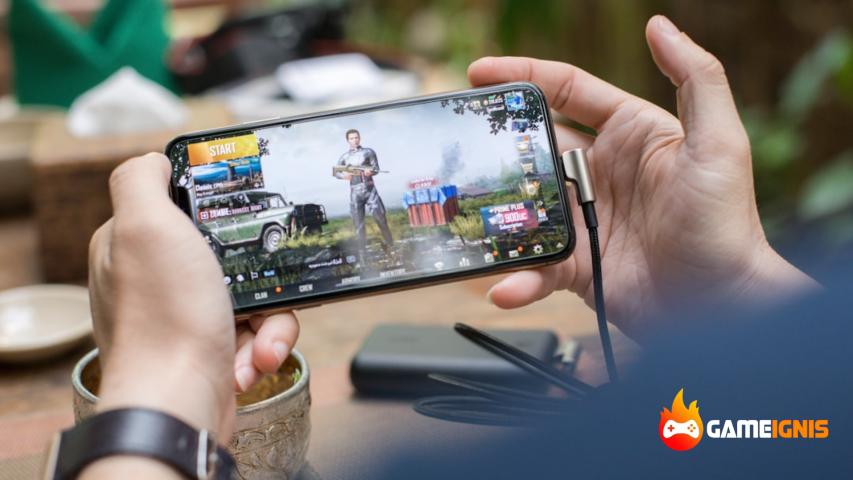
A mobile game development company builds games for phones and tablets. Mobile platforms bring unique limits that shape development.
Screen sizes vary widely. Touch input replaces physical buttons. Hardware power differs across devices. These factors affect control design and performance planning.
Mobile games need fast startup times and smooth play. Battery use and heat control matter for player comfort.
Testing on real devices helps teams adjust layout and performance early. Store guidelines affect features and updates, so mobile teams plan around these rules from the start.
Mobile development often includes frequent updates. Systems get built to support easy fixes and content changes.
PC Game Development Fundamentals
PC game development supports a wide range of hardware setups. Players use different processors, graphics cards, and displays.
Games must scale across performance levels. Graphics settings allow players to adjust visual quality and frame rate. This flexibility supports comfort across systems.
Input options include keyboard, mouse, and controllers. Custom mapping improves accessibility and comfort.
PC players expect access to settings and stable updates. Development teams plan builds that support these expectations and distribution platform rules.
Testing across system types helps catch issues early and supports smoother launches.
Console Game Development Fundamentals
Console game development follows strict platform standards. Each console brand sets clear rules for performance, security, and user experience.
Controller input design shapes how the game feels. Button placement and feedback affect comfort and immersion.
Stable frame rates matter for console players. Performance testing happens on real hardware to confirm results.
Certification checks occur before release. Development teams prepare features and updates to meet these checks without delays.
Console development requires careful planning and steady quality control throughout production.
Unity Game Development Basics
Unity game development supports many types of projects due to its flexible tools. Unity allows teams to build games for mobile, PC, and console platforms from one project structure.
Unity works well for both 2D game development and 3D game development. Teams reuse systems and assets across platforms.
Rapid testing helps teams review gameplay early. This supports faster feedback and safer adjustments.
Clean project organization supports updates and maintenance. Asset management helps keep builds stable.
Unity suits projects that need flexibility and broad platform reach.
Unreal Engine Game Development Basics
Unreal Engine game development supports visually detailed games and large environments. Many PC and console games use this engine.
Visual systems support lighting and effects that add depth to scenes. Performance tuning keeps play smooth across supported hardware.
Blueprint tools support quick logic setup. C++ allows deeper system control where needed.
Unreal fits projects that demand visual detail and complex gameplay systems.
2D Game Development Fundamentals
2D game development focuses on flat visuals, sprites, and animations. This >
Clarity matters in 2D design. Players need to read action quickly. Art direction supports visibility and contrast.
Animation timing affects responsiveness. Smooth transitions improve control feel.
Level design focuses on pacing and fairness. Tight controls support precision.
2D development relies on balance and simplicity rather than visual depth.
3D Game Development Fundamentals
3D game development involves models, textures, lighting, physics, and camera systems. Each element affects comfort and performance.
Camera control shapes how players view the game world. Smooth movement reduces discomfort.
Collision accuracy supports natural movement and interaction. Errors break immersion.
Asset optimization keeps file sizes and load times manageable. This supports performance across devices.
3D development requires close coordination between art and programming teams.
Game Testing Services and Quality Focus
Game testing services support stability and balance throughout development. Testing begins early and continues through release.
Testers check for bugs, crashes, and performance drops across devices and settings. Gameplay testing reviews difficulty and reward balance.
Multiplayer testing checks connection stability and sync behavior.
Regular testing reduces issues after launch and supports player trust.
Quality focus stays steady across all stages, not just at the end.
Production Management Inside a Game Development Company
Production management keeps work organized and on track. Project leads coordinate tasks, timelines, and milestones.
Clear goals guide daily work. Teams know what to build and when.
Progress tracking tools show task status and help spot risks early.
Strong coordination across roles supports smoother development and fewer delays.
Communication and Team Coordination
Game development involves many roles working together. Clear communication keeps everyone aligned.
Regular updates share progress and challenges. Written documentation supports clarity across locations.
Issue tracking systems record bugs and tasks. This helps teams respond quickly and avoid repeated errors.
Good coordination supports steady progress and stable builds.
Data Safety and Player Trust
Many games store player data such as progress and accounts. Development teams build systems that protect this data.
Online games require fair play systems. Cheat prevention supports healthy communities.
Security planning starts early and continues after launch.
Player trust grows when games handle data responsibly.
Post-Launch Support and Game Lifespan
Game development continues after release. Bugs appear once players interact at scale.
Teams prepare patches and updates to fix issues and improve stability.
Content updates keep players engaged over time.
Monitoring tools track performance and system health.
Post-launch support protects the game’s reputation and player base.
Common Challenges in Game Development
Game development brings challenges such as scope growth, technical issues, and schedule pressure.
Clear planning reduces these risks. Regular testing helps catch problems early.
Strong coordination keeps teams aligned during change.
Managing these challenges supports smoother outcomes.
Why Game Development Fundamentals Matter
Strong fundamentals support smooth gameplay, stable performance, and positive player response.
Players notice quality quickly. Poor quality leads to frustration and loss of trust.
Well-built games keep players engaged longer.
A game development company with solid fundamentals supports long-term success.
Final Thoughts on Game Development Company Fundamentals: Everything You Need to Know
Game development company fundamentals shape every part of a game. Planning sets direction. Game design services guide player interaction. Art and programming bring ideas to life. Testing protects quality. Support after release keeps games active.
From mobile game development company workflows to PC game development and console game development, each platform brings its own needs. Unity game development and Unreal Engine game development support different >
With strong fundamentals and clear coordination, a game development company builds games that feel smooth, clear, and enjoyable for players across platforms. Develop Your Game From Concept to Launch.