
Introduction
In today’s hyper-competitive business landscape, organizations are generating unprecedented volumes of data from every touchpoint customer interactions, operational workflows, supply chains, and market insights. However, the sheer amount of data alone is not enough. The real competitive advantage comes from turning this data into actionable insights, automating processes, and driving smarter decision-making. This is where Enterprise AI integration becomes a game-changer. By embedding artificial intelligence across organizational processes, companies can streamline operations, enhance productivity, and foster innovation, unlocking a new era of business efficiency.
What is Enterprise AI Integration?
Enterprise AI integration refers to the strategic process of embedding artificial intelligence technologies into an organization’s core systems, workflows, and operations. Unlike isolated AI experiments or pilot projects, enterprise-wide integration ensures that AI tools are systematically applied across departments—marketing, finance, operations, human resources, and customer service.
The goal of Enterprise AI integration is to transform raw data into meaningful intelligence, automate repetitive tasks, and enhance decision-making capabilities at scale. This involves leveraging machine learning models, natural language processing (NLP), robotic process automation (RPA), and predictive analytics, all working in harmony with existing enterprise systems.
Why Enterprise AI Integration Matters
Integrating AI at the enterprise level is no longer optional; it has become a strategic imperative. Here are some reasons why:
1. Driving Operational Efficiency
One of the most immediate benefits of Enterprise AI integration is operational efficiency. AI can automate repetitive tasks, optimize workflows, and predict maintenance requirements before downtime occurs. For example, in manufacturing, AI-powered predictive maintenance can reduce equipment failures, lower costs, and improve productivity. In finance, automated AI-driven reconciliation can significantly reduce human errors while accelerating reporting processes.
2. Enhancing Decision-Making
AI’s ability to process vast datasets and detect patterns far exceeds human capacity. With Enterprise AI integration, organizations gain access to real-time insights that support data-driven decisions. Predictive analytics, anomaly detection, and scenario modeling allow leaders to make proactive, informed choices rather than reactive ones.
3. Improving Customer Experience
AI-powered solutions such as chatbots, personalized recommendations, and predictive customer support enhance the quality of customer interactions. By integrating these solutions across departments, businesses can ensure consistent, context-aware experiences that strengthen brand loyalty.
4. Driving Innovation
Enterprise AI is not only about efficiency; it’s also about innovation. Integrated AI systems enable organizations to identify new business opportunities, uncover market trends, and develop innovative products and services. By leveraging AI insights, businesses can experiment, iterate, and bring new ideas to market faster than ever.
Key Components of Enterprise AI Integration
Successful Enterprise AI integration involves several core components, each critical to achieving long-term value:
1. Data Strategy
AI thrives on high-quality data. Before integrating AI, organizations must define a robust data strategy. This includes identifying relevant datasets, ensuring data quality, implementing secure storage solutions, and establishing governance policies. A well-structured data ecosystem forms the backbone of any successful AI integration initiative.
2. AI Infrastructure
Enterprise AI requires a scalable infrastructure capable of handling large-scale data processing and model deployment. Cloud platforms, edge computing, and hybrid AI systems provide the necessary computational power and flexibility. Choosing the right infrastructure ensures seamless integration with existing enterprise systems.
3. Machine Learning and AI Models
At the heart of integration are the AI and machine learning models that analyze data and generate actionable insights. Depending on business needs, this could include predictive analytics models, natural language processing models, recommendation engines, or robotic process automation systems. Fine-tuning these models to align with organizational goals is essential for achieving maximum impact.
4. Integration with Enterprise Systems
AI systems must work harmoniously with existing enterprise applications such as ERPs, CRMs, HRMS, and financial systems. APIs, connectors, and middleware are often used to ensure smooth interoperability. Effective integration ensures that AI insights are actionable and accessible across the organization.
5. Governance and Ethics
Enterprise AI integration must be accompanied by strong governance policies. This includes monitoring model performance, addressing biases, ensuring data privacy compliance, and establishing ethical guidelines for AI usage. Responsible AI practices are critical to maintaining trust and avoiding regulatory or reputational risks.
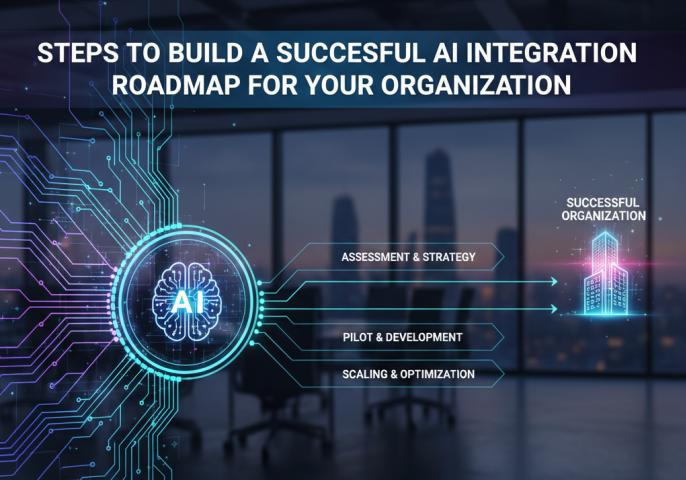
Steps to Implement Enterprise AI Integration
Implementing Enterprise AI integration requires a structured approach that aligns technology with business strategy. Here’s a step-by-step guide:
Step 1: Define Objectives
Start by identifying the specific business challenges AI should address. Whether it’s reducing operational costs, improving customer engagement, or predicting market trends, clear objectives provide direction for AI initiatives.
Step 2: Assess Readiness
Evaluate your organization’s data maturity, existing infrastructure, and workforce capabilities. Understanding readiness helps determine whether AI can be integrated immediately or requires preparatory steps such as data cleaning, system upgrades, or skill development.
Step 3: Select AI Use Cases
Choose AI use cases with high impact and feasibility. Prioritize applications that deliver measurable business value and are scalable across the enterprise. Common starting points include process automation, predictive analytics, customer service AI, and supply chain optimization.
Step 4: Develop or Customize AI Models
Depending on requirements, organizations can either develop custom AI models in-house or adopt pre-built solutions tailored to their industry. Enterprise AI integration often involves customizing models to align with internal workflows and organizational objectives.
Step 5: Integrate and Deploy
Integrate AI models into enterprise systems using APIs, middleware, or cloud-based solutions. Ensure that employees across departments can access and utilize AI outputs effectively. Training programs and change management initiatives are crucial to ensure adoption.
Step 6: Monitor, Evaluate, and Improve
AI is not a one-time deployment. Continuous monitoring, model retraining, and performance evaluation ensure that AI systems remain accurate, relevant, and aligned with evolving business needs. Feedback loops and iterative improvements are essential for long-term success.
Real-World Examples of Enterprise AI Integration
1. Retail
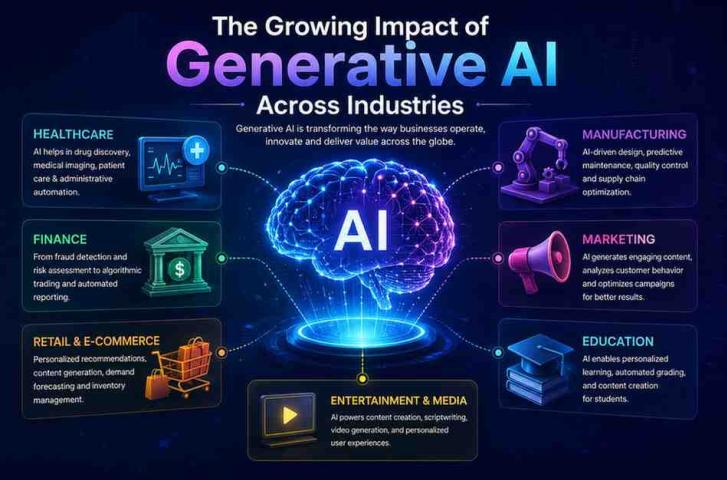
Retail giants use Enterprise AI integration to personalize customer experiences, optimize inventory, and forecast demand. AI analyzes purchase histories, browsing behavior, and market trends to deliver targeted recommendations and promotions, improving sales and customer loyalty.
2. Healthcare
Hospitals integrate AI to predict patient admissions, optimize treatment plans, and assist in diagnostics. By connecting AI with electronic health records (EHRs), healthcare providers gain actionable insights that enhance patient care and operational efficiency.
3. Finance
Banks leverage AI for fraud detection, risk management, and predictive analytics. Integrated AI systems monitor transactions in real time, identify anomalies, and help financial institutions make proactive decisions, reducing risk and enhancing customer trust.
4. Manufacturing
Manufacturers use Enterprise AI integration for predictive maintenance, supply chain optimization, and quality control. AI analyzes sensor data and production metrics to prevent equipment failures, reduce waste, and improve operational efficiency.
Challenges in Enterprise AI Integration
While the benefits are clear, integrating AI at an enterprise scale comes with challenges:
Data Silos: Fragmented data across departments can limit AI effectiveness. Breaking down silos is critical
Skill Gaps: AI requires technical expertise, and a lack of skilled personnel can hinder integration.
High Implementation Costs: Deploying AI across an enterprise involves significant investment in infrastructure, tools, and training.
Change Management: Employees may resist adopting AI-powered workflows without proper guidance and communication.
Overcoming these challenges requires strategic planning, executive sponsorship, and a phased integration approach.
Conclusion
Enterprise AI integration is no longer a futuristic concept—it is a strategic necessity for businesses seeking efficiency, innovation, and competitive advantage. By embedding AI across systems and workflows, organizations can streamline operations, enhance decision-making, and unlock new opportunities for growth. While challenges such as data silos, skill gaps, and implementation costs exist, a structured, well-planned integration strategy ensures that AI delivers measurable business value.
Organizations that embrace enterprise-wide AI integration position themselves at the forefront of digital transformation, turning data into actionable intelligence and innovation. For businesses looking to thrive in today’s fast-paced, data-driven economy, Enterprise AI integration is the key to unlocking efficiency, driving innovation, and sustaining long-term success.
Also Read - custom llm model development