
This guide is crafted to help first-time clients understand how blockchain development companies operate, what services they provide, and how to approach a project confidently. It’s written in a clear, practical, and informative >
Introduction: What a Blockchain Development Company Does
A blockchain development company provides technical services that allow businesses to build applications and systems using blockchain technology. These companies help create secure, transparent, and automated digital solutions for industries like finance, healthcare, supply chain, real estate, and more.
For first-time clients, understanding what these companies do is key. They can build everything from custom blockchain solutions to smart contracts and decentralized applications (dApps). Working with a blockchain development company helps businesses implement technology that improves efficiency, reduces errors, and strengthens trust in digital operations.
Why Businesses Hire a Blockchain Development Company
Businesses approach blockchain development companies for several reasons:
-
Security: Blockchain stores data in blocks that are linked together, making it difficult to alter or tamper with information.
-
Automation: Smart contracts automate business processes, reducing manual work and errors.
-
Transparency: Transactions are visible to authorized participants, improving accountability.
-
Traceability: Blockchain provides a clear audit trail for transactions, shipments, or record changes.
-
Innovation: Companies can explore new business models such as tokenization or decentralized marketplaces.
Understanding these advantages helps first-time clients evaluate the potential impact of blockchain for their business.
Core Services Offered by Blockchain Development Companies
Blockchain development companies provide a wide range of services. First-time clients should be aware of these offerings so they can choose the services that best fit their business needs.
1. Custom Blockchain Development
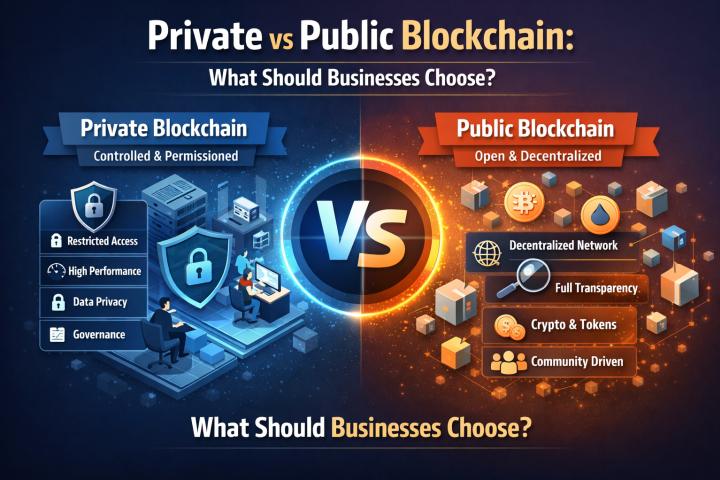
Custom blockchain development focuses on building a solution specifically tailored to a business. Clients can choose between:
-
Private blockchains: Controlled access, ideal for businesses requiring data privacy.
-
Public blockchains: Open access for transparency and wider reach.
-
Consortium blockchains: A hybrid approach for multiple organizations sharing access.
This service allows businesses to create a blockchain network that aligns with their operations and goals.
2. Smart Contract Development
Smart contracts are automated agreements executed on the blockchain when specific conditions are met. They can be used in:
-
Financial transactions
-
Supply chain automation
-
Legal agreements
-
Insurance claims
For first-time clients, smart contracts are a valuable way to reduce manual tasks and ensure transactions are tamper-proof.
3. Decentralized Application (dApp) Development
Decentralized applications operate on blockchain networks, not centralized servers. They are commonly used in:
-
Finance (DeFi platforms)
-
Gaming
-
Healthcare data management
-
Voting systems
dApps provide security, reliability, and transparency, making them suitable for businesses aiming to offer digital services without intermediaries.
4. Blockchain Integration Services
Most businesses already have existing software systems. Blockchain integration services connect these systems with new blockchain solutions. Integration ensures:
-
Seamless data flow
-
No disruption to current operations
-
Enhanced security and data management
5. Blockchain Consulting
Some companies provide advisory services to guide clients on:
-
Selecting the right blockchain platform
-
Developing a strategy for deployment
-
Regulatory compliance
-
Feasibility analysis
Consulting helps first-time clients make informed decisions and plan projects more effectively.
Popular Blockchain Platforms Used
Blockchain development companies work with different platforms depending on the client’s needs:
-
Ethereum: Popular for smart contracts and decentralized applications.
-
Hyperledger Fabric: Used for private, enterprise-level blockchain networks.
-
Solana: Known for fast and cost-effective transactions.
-
Corda: Focused on financial and business networks.
-
Binance Smart Chain: Often used for decentralized finance platforms.
Each platform has unique features, and first-time clients should discuss which option fits their business objectives.
Steps a Blockchain Development Company Follows
First-time clients may wonder how a project will proceed. Typically, blockchain development companies follow these steps:
1. Requirement Gathering
Understanding business goals, project scope, and technical needs is the first step. Companies work closely with clients to define objectives and determine the best blockchain solution.
2. Designing the Blockchain Architecture
The architecture defines how data will be stored, shared, and secured. Companies decide on consensus mechanisms, node structures, and security protocols.
3. Development Phase
This stage involves coding smart contracts, creating blockchain nodes, developing APIs, and building the application’s front-end and back-end.
4. Testing
Rigorous testing ensures the blockchain solution works correctly. This includes:
-
Performance checks
-
Security audits
-
Bug fixes
Testing is crucial for minimizing risks before deployment.
5. Deployment
Once testing is complete, the solution is deployed on the blockchain network. This could be a live public network or a private enterprise network.
6. Maintenance and Support
After deployment, continuous monitoring, updates, and maintenance keep the system secure and functional. Blockchain development companies often provide long-term support for their clients.
Questions First-Time Clients Should Ask
Before hiring a blockchain development company, first-time clients should ask questions such as:
-
Which blockchain platforms do you work with?
-
What services do you provide for businesses in my industry?
-
How do you ensure security and data integrity?
-
Will you provide support after deployment?
-
How do you handle scalability for future growth?
These questions help clients understand the company’s capabilities and approach.
Best Practices for First-Time Clients
For clients new to blockchain, following best practices can make the process smoother:
-
Define clear goals: Know exactly what you want the blockchain solution to achieve.
-
Start small: Pilot projects can help test blockchain use cases before full-scale deployment.
-
Focus on security: Ensure smart contracts and network architecture are secure.
-
Communicate regularly: Keep in touch with the development team throughout the project.
-
Plan for maintenance: Blockchain systems need ongoing monitoring and updates.
Following these practices can help first-time clients have a successful blockchain implementation.
Industries That Benefit from Blockchain Solutions
Blockchain can be applied across multiple industries, including:
-
Finance: Secure payments, digital wallets, and cryptocurrency platforms
-
Healthcare: Secure patient records and medical data management
-
Supply Chain: Tracking goods and verifying authenticity
-
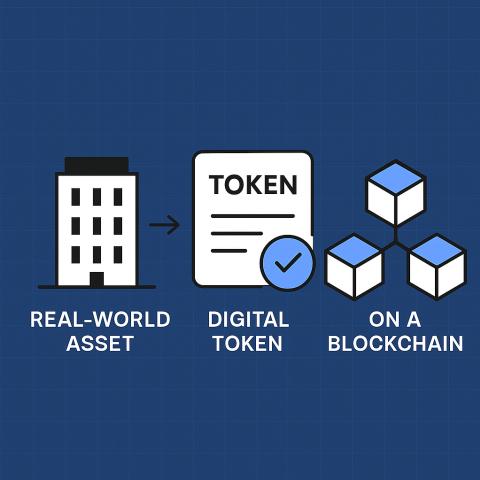
Real Estate: Property transactions and asset tokenization
-
Voting and Governance: Secure and transparent elections
Understanding where blockchain can add value helps clients identify the best opportunities for implementation.
Future Outlook
The use of blockchain is growing steadily. Future trends include:
-
Increased adoption of private blockchains for enterprises
-
Blockchain as a service (BaaS) for easier deployment
-
Interoperability between different blockchain networks
-
Expanded use in digital assets, tokenization, and DeFi platforms
First-time clients can expect new opportunities as the technology becomes more accessible and adaptable for businesses of all sizes.
Conclusion
For first-time clients, understanding how a blockchain development company works is essential before starting a project. These companies offer services like custom blockchain development, smart contract creation, dApp development, and integration services. By knowing the process, asking the right questions, and following best practices, first-time clients can implement blockchain solutions that improve security, transparency, and efficiency. With careful planning and professional guidance, businesses can confidently adopt blockchain technology to achieve real-world results. Kickstart Your Custom Blockchain Development.