Preparing for the CCIE Security certification requires a structured approach, consistent practice, and a clear understanding of advanced network security technologies. Because the certification is designed for experienced professionals, a well-organized study plan is essential for success.
Many networking professionals begin their preparation by enrolling in CCIE Security Training in Bangalore, where they can access expert guidance, lab environments, and structured learning paths. However, regardless of whether you study independently or with a training provider, having a strong study plan can significantly improve your chances of passing the exam.
This article explains how to build an effective CCIE Security study plan that helps you stay organized, develop practical skills, and prepare confidently for the certification.
Understand the CCIE Security Exam Structure
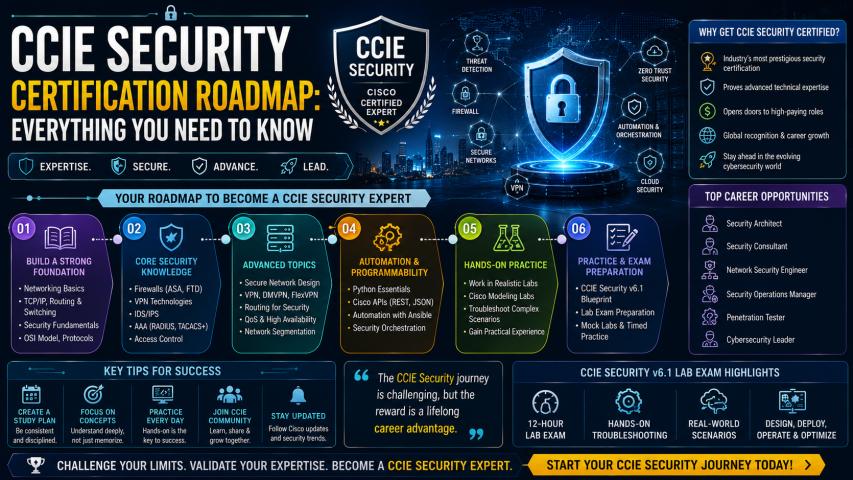
Before creating a study plan, it is important to understand the structure of the certification. The CCIE Security certification typically involves two major stages:
1. Core Written Exam
The written exam evaluates your understanding of advanced security concepts, network design, and troubleshooting skills. It covers topics such as:
Network security principles
Secure network access
VPN technologies
Infrastructure security
Automation and programmability
2. Lab Exam
The lab exam is a practical test where candidates must configure, troubleshoot, and optimize complex security solutions within a limited time.
Understanding these components helps you divide your preparation into theory learning and hands-on practice.
Assess Your Current Knowledge Level
Before starting your study journey, evaluate your current networking and security knowledge. Many professionals attempting this certification already have experience in networking or security roles.
Ask yourself the following questions:
Do I have strong knowledge of routing and switching?
Am I familiar with firewall technologies and VPN configurations?
Have I worked with identity and access management systems?
Do I have experience troubleshooting enterprise networks?
If there are gaps in your knowledge, allocate additional study time to strengthen those areas before moving into advanced topics.
Create a Realistic Study Timeline
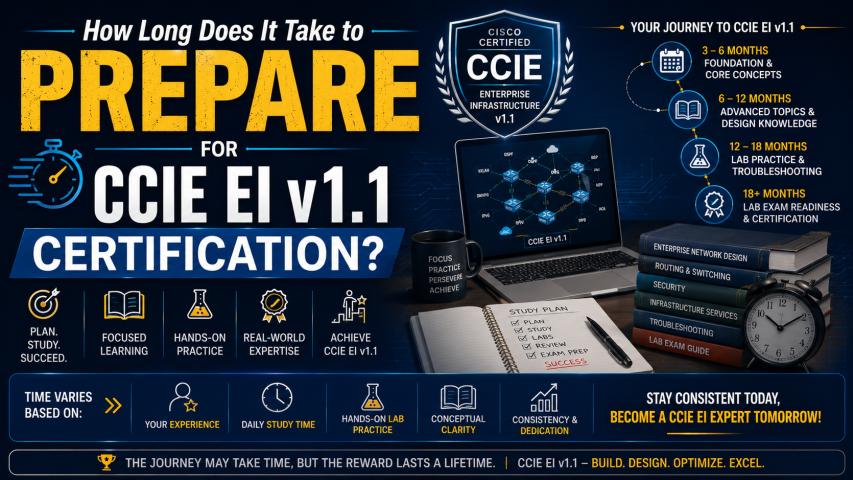
A common mistake many candidates make is underestimating the time required to prepare for the exam. Depending on your experience, preparation may take six months to a year.
Divide your preparation into clear phases:
Phase 1: Foundation Learning (6–8 weeks)
Focus on understanding the core security concepts and technologies. During this phase you should:
Study official exam topics
Review security architecture concepts
Understand authentication and authorization methods
Learn VPN fundamentals
This stage builds the theoretical base needed for deeper learning.
Phase 2: Advanced Technology Study (8–12 weeks)
Once you understand the basics, begin studying advanced technologies in more detail.
Key areas to focus on include:
Firewall and threat defense solutions
Identity services and network access control
Secure segmentation and policy enforcement
Intrusion prevention and monitoring systems
Network automation tools
During this phase, try to connect theory with practical examples.
Phase 3: Hands-On Lab Practice (12–16 weeks)
Hands-on practice is one of the most critical parts of CCIE Security preparation. The lab exam requires candidates to configure and troubleshoot security solutions in a simulated enterprise environment.
Your lab practice should include:
Firewall configuration and policy management
VPN deployment and troubleshooting
Network access control implementation
Identity-based access policies
Security monitoring and logging
Consistent lab practice helps you develop problem-solving skills that are essential for the lab exam.
Build a Daily Study Routine
A well-structured daily routine helps maintain consistency and prevents burnout. Instead of studying irregularly, dedicate specific hours each day to learning and practice.
A typical study routine may look like this:
Morning (1–2 hours)
Review theory topics, read documentation, and take notes.
Afternoon (1 hour)
Watch training modules or study technical explanations.
Evening (2–3 hours)
Perform lab exercises and practice configurations.
Regular study sessions improve retention and allow you to gradually build deeper knowledge.
Use Multiple Learning Resources
Relying on a single resource may limit your understanding of complex technologies. A well-rounded study plan should include multiple learning methods.
Useful resources may include:
Official certification documentation
Technical training programs
Online learning platforms
Lab workbooks and practice scenarios
Networking forums and professional communities
Using different resources provides broader perspectives and helps reinforce difficult concepts.
Focus on Troubleshooting Skills
In enterprise environments, network security professionals are often required to identify and resolve issues quickly. The CCIE Security exam also tests your troubleshooting ability.
To develop these skills:
Practice diagnosing configuration errors
Analyze log files and monitoring outputs
Simulate network failures in lab environments
Practice identifying root causes of security issues
Troubleshooting practice builds confidence and improves decision-making under time pressure.
Track Your Progress Regularly
Monitoring your progress is an important part of maintaining motivation and staying on schedule.
You can track your progress by:
Maintaining a weekly study checklist
Completing practice lab exercises
Taking mock exams to evaluate readiness
Reviewing topics that require additional practice
Regular assessment helps ensure that you remain focused on your preparation goals.
Prepare for the Lab Exam Strategically
The lab exam requires more than just technical knowledge. Candidates must also manage time effectively while working through complex tasks.
Helpful preparation strategies include:
Practicing full-length lab simulations
Improving configuration speed and accuracy
Developing a structured troubleshooting approach
Learning to prioritize tasks during the exam
Simulated lab practice can help you become familiar with the exam environment and improve your efficiency.
Stay Consistent and Motivated
Preparing for an advanced certification can be challenging, but consistency is the key to success. Instead of rushing through topics, focus on building a deep understanding of each concept.
Set realistic milestones, celebrate small achievements, and maintain a disciplined study routine throughout your preparation journey.
Conclusion
Building an effective study plan is essential for successfully preparing for the CCIE Security certification. By understanding the exam structure, creating a realistic study schedule, practicing in lab environments, and consistently tracking your progress, you can develop the skills needed to work with advanced enterprise security technologies.
For professionals who prefer structured learning, enrolling in a CCIE Security Course in Bangalore can provide guided training, expert mentorship, and hands-on lab practice that supports a focused and efficient preparation process.