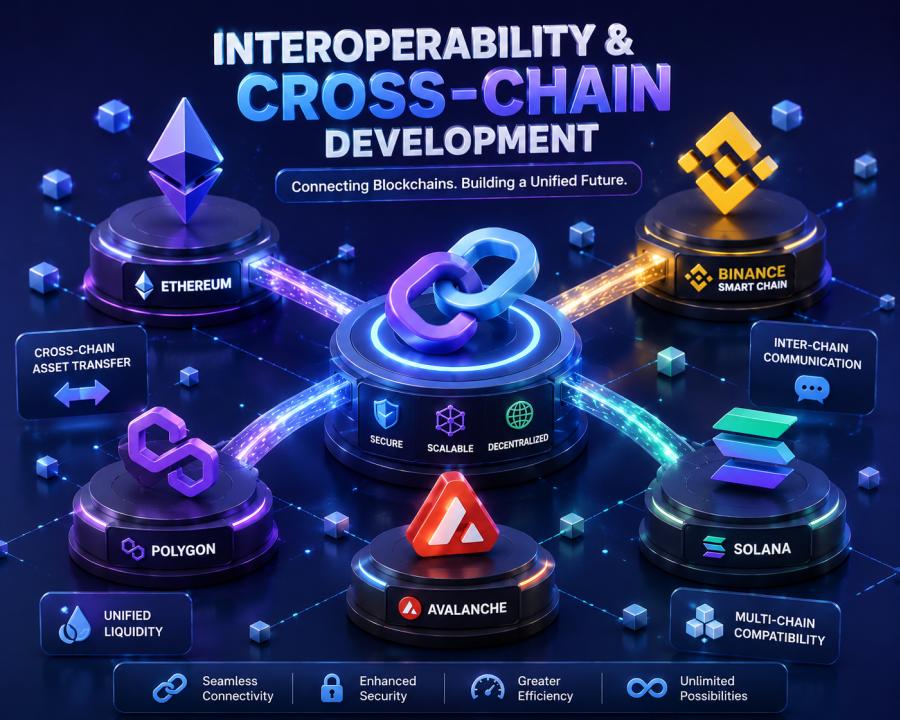
The blockchain industry has evolved rapidly over the past decade, giving rise to hundreds of networks designed for different use cases. While these blockchains offer unique advantages in terms of scalability, security, and functionality, they often operate in isolation. This lack of communication between networks creates barriers for users, developers, and businesses seeking a seamless blockchain experience.
As decentralized technologies continue to mature, the ability for multiple blockchain ecosystems to interact efficiently has become increasingly important. Organizations are now looking beyond single-chain applications and exploring solutions that allow assets, data, and smart contracts to move freely across different networks.
This growing demand has made interoperability one of the most significant priorities in modern blockchain innovation.
Understanding Blockchain Interoperability
Blockchain interoperability refers to the ability of different blockchain networks to communicate, exchange information, and transfer assets without relying on centralized intermediaries.
Traditionally, blockchain platforms function as independent ecosystems. For example, assets stored on one blockchain cannot always be transferred directly to another without specialized solutions. This limitation creates fragmentation and restricts the growth potential of decentralized applications.
Interoperability aims to solve these challenges by enabling:
Why Cross-Chain Connectivity Matters
As blockchain adoption expands, businesses and developers require greater flexibility. Relying on a single blockchain can create scalability constraints, increase transaction costs, and limit access to broader ecosystems.
Cross-chain connectivity provides several important benefits:
Improved Scalability
Applications can distribute workloads across multiple blockchains rather than relying on a single network.
Enhanced Liquidity
Digital assets can move freely between ecosystems, increasing accessibility and trading opportunities.
Better User Experience
Users can interact with multiple blockchain networks through a unified interface.
Greater Innovation
Developers gain access to the strengths of different blockchains, enabling more advanced decentralized applications.
Common Challenges in Multi-Chain Environments
Despite its advantages, achieving interoperability is not without challenges.
Security Risks
Cross-chain bridges and communication protocols can become targets for cyberattacks if not properly secured.
Data Standardization
Different blockchains use varying architectures, making communication more complex.
Network Compatibility
Ensuring seamless interaction between multiple protocols requires sophisticated development approaches.
Governance Differences
Each blockchain ecosystem may have unique governance models and consensus mechanisms that impact interoperability.
Addressing these challenges requires specialized expertise and robust technical frameworks.
The Growing Importance of Interoperability & Cross-Chain Development
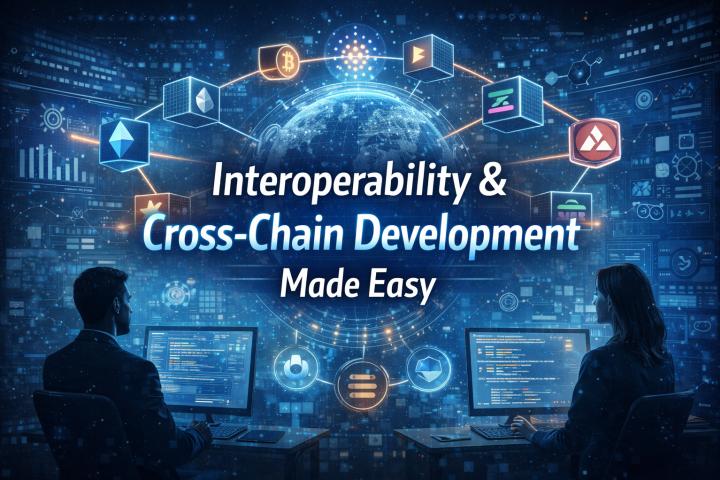
As organizations expand their blockchain initiatives, they increasingly recognize the limitations of isolated networks. This has accelerated investments in Interoperability & Cross-Chain Development solutions that enable seamless communication between blockchain ecosystems.
These development frameworks allow businesses to build decentralized applications capable of operating across multiple networks while maintaining security, transparency, and efficiency. Whether facilitating token transfers, data sharing, or smart contract interactions, cross-chain capabilities are becoming essential for next-generation blockchain platforms.
By embracing interoperability, enterprises can create more resilient and scalable digital ecosystems that support future innovation.
Key Technologies Enabling Cross-Chain Communication
Several technologies are driving the advancement of blockchain interoperability.
Blockchain Bridges
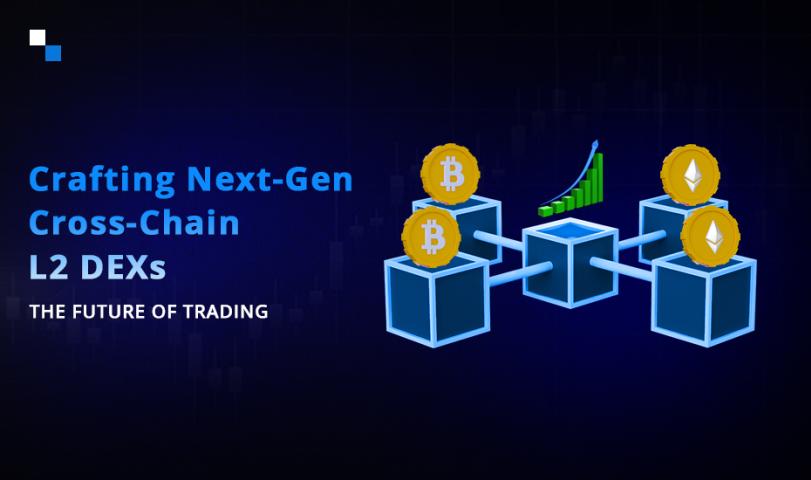
Bridges connect different blockchain networks and facilitate asset transfers between them.
Examples include token wrapping mechanisms and lock-and-mint protocols that allow assets to move securely across chains.
Cross-Chain Messaging Protocols
These protocols enable blockchains to exchange information and execute actions across multiple networks.
Atomic Swaps
Atomic swaps allow users to exchange cryptocurrencies across different blockchains without intermediaries.
Interoperability Networks
Dedicated interoperability platforms serve as communication layers connecting various blockchain ecosystems.
These technologies continue to evolve as developers seek faster, safer, and more scalable solutions.
Business Benefits of Cross-Chain Development
Organizations adopting interoperable blockchain systems can unlock numerous strategic advantages.
Increased Operational Flexibility
Businesses can leverage multiple blockchain networks based on specific requirements and performance goals.
Reduced Dependency on Single Networks
Diversifying across multiple chains minimizes risks associated with network congestion or outages.
Expanded Market Reach
Cross-chain functionality allows organizations to engage users and communities across different blockchain ecosystems.
Future-Proof Infrastructure
Interoperable systems are better positioned to adapt as new blockchain technologies emerge.
Improved Resource Utilization
Companies can optimize costs and performance by utilizing the most suitable blockchain for each use case.
Real-World Applications
Cross-chain solutions are transforming various industries.
Decentralized Finance (DeFi)
Users can access liquidity pools, lending platforms, and trading protocols across multiple networks.
Gaming
Players can transfer digital assets and collectibles between different blockchain-powered gaming ecosystems.
Supply Chain Management
Organizations can share verified information across multiple blockchain networks while maintaining transparency.
Enterprise Collaboration
Businesses can exchange data securely across private and public blockchain infrastructures.
These applications demonstrate how interoperability is driving practical blockchain adoption.
Frequently Asked Questions
What is blockchain interoperability?
Blockchain interoperability is the ability of different blockchain networks to communicate, exchange data, and transfer assets seamlessly.
Why is cross-chain development important?
Cross-chain development allows businesses and users to interact with multiple blockchain ecosystems, improving scalability, flexibility, and efficiency.
Are cross-chain bridges secure?
When properly designed and audited, cross-chain bridges can provide secure asset transfers, though security remains a critical consideration.
What industries benefit from interoperability?
Finance, gaming, healthcare, logistics, real estate, and enterprise technology sectors all benefit from interoperable blockchain systems.
What is the future of cross-chain technology?
The future includes improved communication protocols, enhanced security mechanisms, and greater adoption of multi-chain decentralized applications.
Conclusion
The future of blockchain lies in connectivity rather than isolation. As organizations seek more scalable, flexible, and efficient digital infrastructures, interoperability will become a foundational component of blockchain innovation.
By investing in cross-chain technologies and interoperable ecosystems, businesses can unlock new opportunities, improve user experiences, and stay ahead in the rapidly evolving Web3 landscape. If you're planning a blockchain project, now is the ideal time to explore interoperability solutions that enable long-term growth and seamless collaboration across networks.