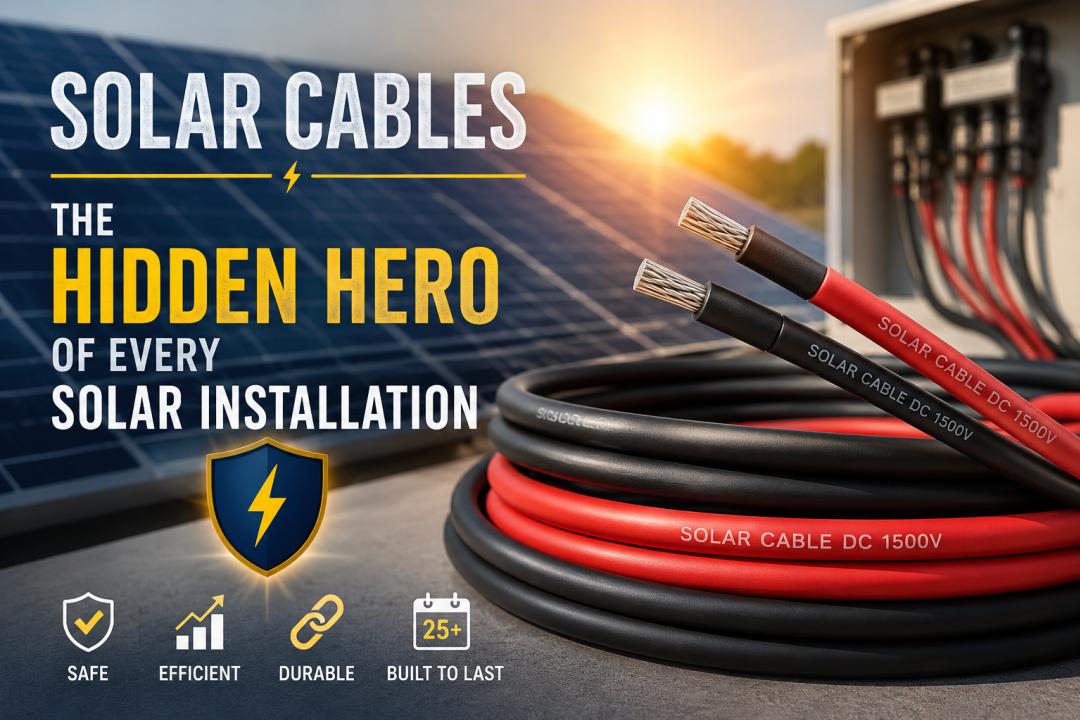
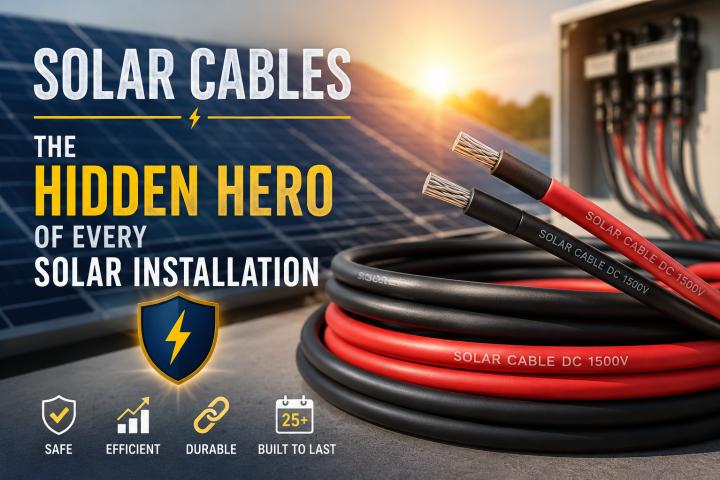
When people think about solar energy systems, they usually focus on solar panels, inverters, or battery storage. However, one of the most important components of a solar installation often goes unnoticed: solar cables.
While solar panels generate electricity and inverters convert it into usable power, solar cables are responsible for carrying that energy safely and efficiently throughout the entire system. Choosing the wrong cable can lead to energy losses, reduced system performance, increased maintenance costs, and even safety hazards.
In this article, we'll explore why solar cables are a critical part of every solar installation and how they impact the long-term performance of a solar power system.
What Are Solar Cables?
Solar cables are specially designed electrical cables used to connect various components within a solar power system. They transport direct current (DC) electricity generated by solar panels to the inverter and other system components.
Unlike conventional electrical wiring, solar cables are built to withstand harsh outdoor environments, including
Why Solar Cables Matter
Many system owners focus on panel efficiency but overlook the role cables play in overall system performance.
1. Reducing Energy Losses
Electricity naturally loses some energy while traveling through cables. High-quality solar cables minimize these losses by providing lower electrical resistance and efficient power transmission.
Even small reductions in power loss can significantly improve energy production over the lifetime of a solar system.
2. Ensuring Safety
Solar installations operate at high DC voltages, making safety a top priority.
Poor-quality cables can lead to:
Solar systems are long-term investments. Components exposed to sunlight, heat, and moisture must be able to withstand years of environmental stress.
Quality solar cables resist:
This durability helps ensure consistent system performance for decades.
Key Features of Quality Solar Cables
Not all cables are suitable for solar applications. When selecting solar cables, installers and project developers should consider several important characteristics.
UV Resistance
Since solar installations are typically exposed to direct sunlight, cables must resist ultraviolet radiation without cracking or degrading.
Temperature Resistance
Solar rooftops can reach extremely high temperatures. Quality cables maintain performance under both hot and cold operating conditions.
Flexible Construction
Flexible cables simplify installation and reduce the risk of damage during routing and maintenance.
Moisture Protection
Outdoor installations require cables that can withstand rain, humidity, and water exposure without compromising electrical performance.
Flame Retardant Properties
Fire-resistant insulation provides an additional layer of safety and helps reduce the spread of electrical fires.
Common Problems Caused by Poor-Quality Solar Cables
Using substandard cables may reduce initial costs, but it often leads to expensive problems later.
Some common issues include:
In many cases, cable-related issues are difficult to detect until they begin affecting system performance.
Choosing the Right Solar Cable
When selecting solar cables, consider:
The Hidden Hero of Every Solar Installation
Solar cables may not be the most visible part of a solar power system, but they are among the most important. They directly influence energy efficiency, safety, reliability, and long-term performance.
Whether for residential rooftops, commercial installations, or large-scale solar projects, investing in quality solar cables is essential for maximizing the value of a solar energy system.
As solar adoption continues to grow across India, understanding the role of every component—including the often-overlooked solar cable—can help ensure safer, more efficient, and more reliable renewable energy solutions.