
iOS app development has become one of the most powerful ways for businesses and startups to build high-quality digital products. With millions of active Apple users worldwide, iOS apps offer strong monetization potential, better user engagement, and a premium audience base.
In 2026, the demand for well-designed, scalable, and secure iOS applications continues to grow. Whether you're a startup founder or an enterprise leader, understanding how iOS app development works can help you make better product and technology decisions.
What Is iOS App Development?
iOS app development is the process of creating applications for Apple devices such as iPhone, iPad, and Apple Watch. These apps are built using Apple’s official programming languages and tools and are distributed through the App Store.
A professional Custom iOS App Development company helps businesses design, build, and launch apps that are optimized for performance, security, and user experience within the Apple ecosystem.
Key Tools Used in iOS App Development
Successful iOS apps are built using a combination of Apple’s native tools and modern development frameworks.
1. Xcode
Xcode is Apple’s official integrated development environment (IDE). It is used for writing code, designing interfaces, testing apps, and submitting them to the App Store.
2. Swift
Swift is Apple’s primary programming language. It is fast, safe, and easy to maintain, making it the preferred choice for modern iOS development.
3. SwiftUI
SwiftUI is Apple’s modern framework for building user interfaces. It allows developers to create responsive and dynamic UIs with less code.
4. UIKit
UIKit is a traditional framework used for building robust and highly customizable user interfaces.
5. TestFlight
TestFlight is used for beta testing iOS applications before they are released publicly.
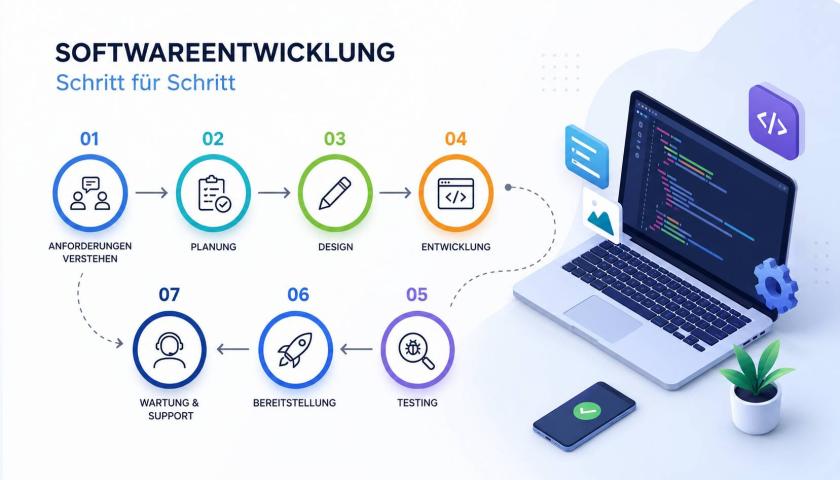
iOS App Development Process
A structured development process ensures that the final product is scalable, user-friendly, and market-ready.
1. Idea Validation and Research
The process begins with understanding the app idea, target audience, and market competition. A strong foundation is essential for building a successful product.
2. UI/UX Design
Designers create wireframes and prototypes that define how the app will look and function. User experience plays a critical role in iOS success.
3. App Development
Developers write code using Swift and implement features using Apple frameworks. This phase also includes backend integration and API development.
4. Testing and Quality Assurance
The app is tested for bugs, performance issues, and compatibility across different Apple devices.
5. Deployment to App Store
Once approved, the app is published on the Apple App Store after meeting Apple’s strict review guidelines.
6. Maintenance and Updates
Post-launch support ensures that the app remains updated, secure, and compatible with new iOS versions.
Best Practices for iOS App Development
To build a successful iOS application, developers follow several best practices:
1. Focus on User Experience
Apple users expect smooth, intuitive, and visually appealing apps. A clean design improves engagement and retention.
2. Optimize App Performance
Fast loading times and smooth navigation are essential for user satisfaction.
3. Follow Apple’s Design Guidelines
Apple’s Human Interface Guidelines ensure consistency and usability across all apps.
4. Prioritize Security
Data encryption, secure authentication, and privacy compliance are critical in iOS development.
5. Build Scalable Architecture
Apps should be designed to handle increasing users and features without performance issues.
6. Use Modular Code Structure
Breaking code into reusable components makes maintenance easier and improves scalability.
Why Work With a Custom iOS App Development Company?
Partnering with a Custom iOS App Development company ensures that your app is built with industry expertise and a strategic approach. These companies bring:
- Experienced iOS developers
- UI/UX design expertise
- Scalable architecture planning
- App Store deployment support
- Post-launch maintenance and updates
- Agile development methodology
This helps businesses reduce development risks and launch faster with a high-quality product.
Emerging Trends in iOS Development
In 2026, iOS development is evolving rapidly with new technologies:
- AI-powered mobile apps
- AR/VR integration
- Voice-enabled interfaces
- Machine learning-based personalization
- Cloud-native mobile architectures
- Enhanced privacy and security features
These trends are shaping the future of mobile experiences and increasing user expectations.
Final Thoughts
iOS app development is a structured yet creative process that combines design, engineering, and strategy. From selecting the right tools like Xcode and Swift to following Apple’s strict guidelines, every step plays a crucial role in building a successful app.
Working with an experienced Custom iOS App Development company can significantly improve your chances of success by ensuring your app is scalable, secure, and user-friendly.
As mobile technology continues to evolve, businesses that invest in high-quality iOS applications will be better positioned to grow, innovate, and lead in their industries.