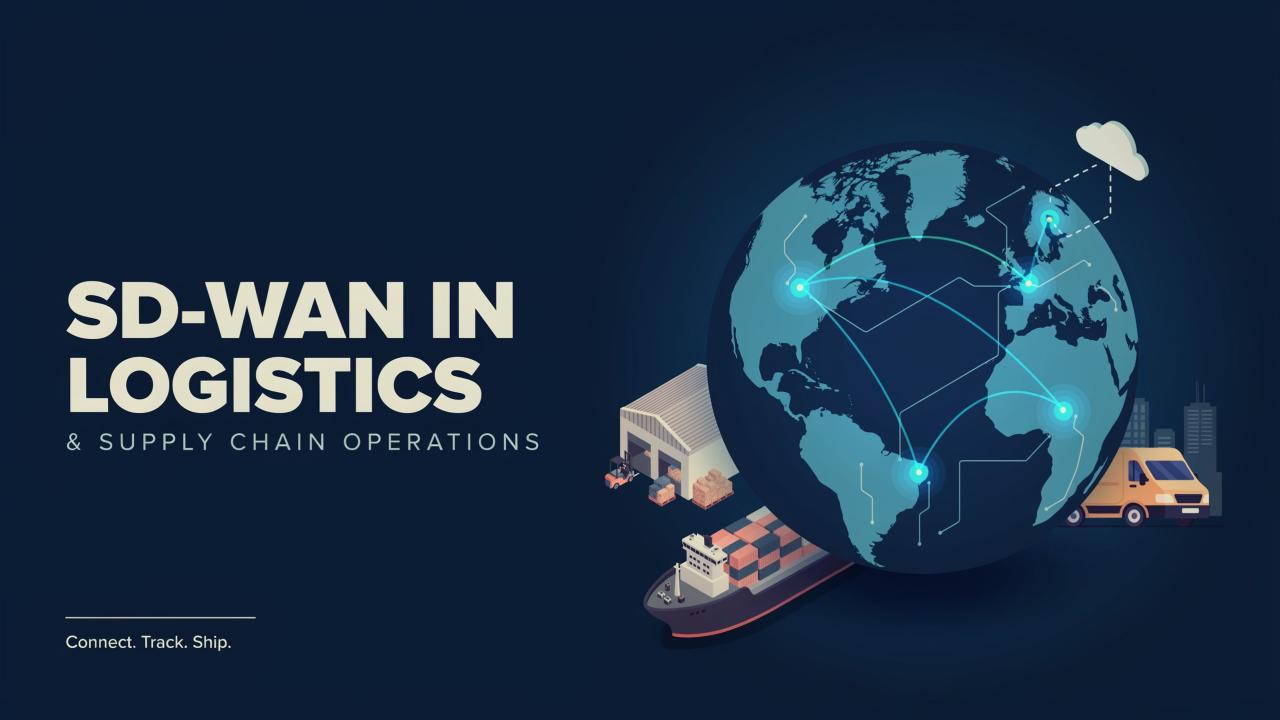
Modern logistics and supply chain operations depend heavily on real-time data exchange, continuous communication, and highly reliable connectivity between distributed locations. As organizations expand globally and adopt digital tools, traditional wide area networks often struggle to meet performance, scalability, and security requirements. This is where SD-WAN Training becomes valuable for IT professionals who want to support modern logistics networks and ensure efficient, secure, and optimized connectivity.
SD-WAN (Software-Defined Wide Area Network) is a transformative networking approach that enables businesses to manage network traffic intelligently across multiple connections such as MPLS, broadband, and LTE. In logistics and supply chain environments, SD-WAN plays a critical role in improving visibility, reducing operational delays, and supporting cloud-based applications used for tracking, inventory management, and communication.
Understanding SD-WAN in Logistics and Supply Chain
SD-WAN is a software-based networking technology that simplifies the management and operation of wide area networks. It allows organizations to route traffic dynamically based on application requirements, network conditions, and business priorities.
In logistics and supply chain operations, where multiple warehouses, distribution centers, and transportation hubs must stay connected, SD-WAN ensures uninterrupted communication and optimized performance.
Why SD-WAN Matters in Supply Chain Operations
Supply chain systems rely on accurate, real-time information to function efficiently. Any delay or network failure can disrupt operations, leading to shipment delays, inventory mismatches, or financial losses.
SD-WAN helps organizations overcome these challenges by providing:
Improved Network Performance
SD-WAN intelligently routes traffic through the best available path, ensuring faster and more reliable communication between supply chain nodes.
Better Application Control
Critical applications such as inventory systems, warehouse management tools, and transportation tracking platforms receive priority bandwidth.
Reduced Operational Costs
Organizations can reduce dependency on expensive leased lines by using broadband and other cost-effective connections.
Enhanced Visibility
SD-WAN provides centralized monitoring of network performance, helping IT teams identify and resolve issues quickly.
Role of SD-WAN in Logistics Industry
The logistics industry involves complex operations that require seamless coordination between multiple stakeholders, including suppliers, warehouses, transport providers, and customers.
SD-WAN supports these operations by enabling:
Real-Time Shipment Tracking
Logistics companies use SD-WAN to ensure continuous connectivity for GPS tracking systems and shipment monitoring applications.
Warehouse Connectivity
Warehouses rely on real-time data synchronization for inventory management, order processing, and automation systems.
Fleet Communication
Transport vehicles equipped with digital communication systems benefit from stable and secure connectivity through SD-WAN.
Cloud Application Access
Many logistics companies use cloud-based platforms for supply chain management, which require consistent and reliable network performance.
Key Benefits of SD-WAN in Supply Chain Management
SD-WAN provides several advantages that directly improve supply chain efficiency and performance.
Increased Operational Efficiency
By optimizing network traffic, SD-WAN reduces delays and ensures faster communication between supply chain systems.
Improved Reliability
SD-WAN automatically reroutes traffic in case of network failure, ensuring continuous operations without interruptions.
Scalability for Growing Networks
As logistics companies expand globally, SD-WAN allows easy onboarding of new locations without complex infrastructure changes.
Stronger Security
SD-WAN includes built-in security features such as encryption, secure tunnels, and centralized policy enforcement.
Faster Decision-Making
Real-time data access enables supply chain managers to make faster and more informed decisions.
Challenges in Traditional Supply Chain Networking
Before SD-WAN adoption, logistics networks relied heavily on traditional WAN architectures, which often faced several limitations.
Limited Flexibility
Traditional WAN systems were difficult to scale and required manual configuration for each location.
High Costs
Dedicated MPLS circuits and leased lines significantly increased operational expenses.
Poor Application Performance
Critical applications often experienced latency due to static routing paths.
Lack of Visibility
IT teams had limited insight into network performance across distributed locations.
How SD-WAN Solves Supply Chain Challenges
SD-WAN addresses these limitations through intelligent networking capabilities.
Dynamic Path Selection
SD-WAN automatically selects the best network path based on performance metrics such as latency, jitter, and packet loss.
Centralized Network Management
Administrators can manage all network locations from a single interface, simplifying operations.
Application-Aware Routing
Traffic is prioritized based on application importance, ensuring critical systems receive necessary bandwidth.
Integrated Security
Built-in encryption and security policies protect data across all network connections.
Use Cases of SD-WAN in Logistics Operations
SD-WAN is widely used in various logistics scenarios.
Global Supply Chain Coordination
International logistics companies use SD-WAN to connect global offices and distribution centers securely.
E-Commerce Fulfillment Centers
E-commerce companies rely on SD-WAN for fast order processing and real-time inventory updates.
Cold Chain Logistics
Temperature-sensitive supply chains use SD-WAN to monitor conditions and ensure compliance.
Third-Party Logistics Providers
3PL companies benefit from SD-WAN’s scalability and multi-customer network segmentation capabilities.
SD-WAN Architecture in Supply Chain Networks
SD-WAN architecture consists of several key components that work together to optimize connectivity.
SD-WAN Edge Devices
These are installed at branch offices, warehouses, and distribution centers to manage traffic locally.
SD-WAN Controller
The controller manages policies, configurations, and network intelligence from a centralized location.
Orchestration Layer
This layer enables automation and simplifies deployment across multiple sites.
Transport Network
SD-WAN uses multiple transport options, including MPLS, broadband, LTE, and fiber connections.
Future of SD-WAN in Logistics and Supply Chain
The future of logistics networking will be driven by automation, artificial intelligence, and cloud integration.
AI-Driven Network Optimization
Future SD-WAN systems will use AI to predict network issues and optimize traffic automatically.
Integration with IoT Devices
Logistics operations will increasingly rely on IoT sensors for tracking and monitoring, requiring strong SD-WAN support.
Edge Computing Integration
Processing data closer to the source will reduce latency and improve operational efficiency.
Fully Autonomous Networks
Self-healing and self-optimizing networks will become more common in advanced supply chain systems.
Best Practices for SD-WAN Implementation in Logistics
Organizations can maximize SD-WAN benefits by following best practices.
Define Application Priorities
Identify critical applications such as tracking systems, ERP tools, and communication platforms.
Ensure Strong Security Policies
Implement encryption and access controls across all network traffic.
Monitor Network Performance
Use centralized dashboards to track performance metrics and detect issues early.
Train IT Teams
Proper training ensures effective deployment and management of SD-WAN environments.
Conclusion
SD-WAN has become a key technology in modern logistics and supply chain operations by improving connectivity, reducing costs, and enhancing application performance. It enables organizations to maintain reliable communication across global networks while supporting real-time data-driven decision-making.
By investing in SD-WAN Training, professionals can develop the skills needed to manage modern network infrastructures and support efficient, scalable, and secure supply chain systems.