Businesses today rely heavily on cloud applications, remote work environments, and digital services that require fast, reliable, and secure network connectivity. Traditional WAN solutions often struggle to meet these demands because they can be expensive, difficult to manage, and less flexible for modern enterprise networks.
Fortinet SD-WAN is a secure networking solution designed to improve connectivity, optimize application performance, and strengthen network security. It combines software-defined networking capabilities with advanced security features to help organizations manage multiple locations, branch offices, and cloud environments efficiently.
For professionals looking to build expertise in this technology, Fortinet SD-WAN Training provides practical knowledge about SD-WAN concepts, deployment strategies, configuration, and security integration.
Understanding Fortinet SD-WAN
Fortinet SD-WAN is a software-defined wide area networking solution offered as part of the Fortinet Security Fabric. It enables organizations to intelligently manage network traffic across multiple connections, including broadband, MPLS, LTE, and other internet-based links.
Unlike traditional WAN networks that rely heavily on fixed connections, SD-WAN uses centralized management and intelligent routing to select the best available path for applications. This helps improve performance, reduce costs, and provide greater flexibility.
Fortinet integrates SD-WAN capabilities into its FortiGate next-generation firewalls, allowing organizations to combine networking and security functions within a single platform.
How Fortinet SD-WAN Works
Intelligent Traffic Routing
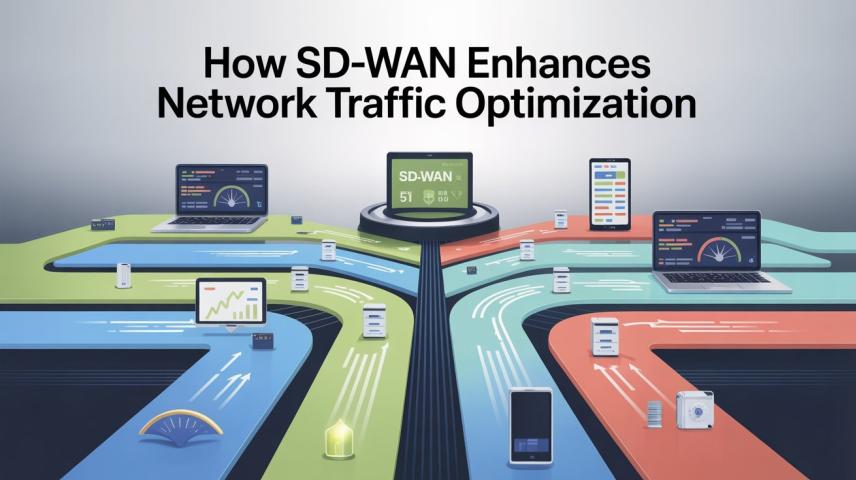
One of the primary functions of Fortinet SD-WAN is intelligent traffic steering. The solution continuously monitors network conditions such as latency, packet loss, and jitter to determine the best path for application traffic.
For example, business-critical applications such as video conferencing, cloud platforms, and voice services can automatically use the most reliable connection, while less important traffic can be routed through alternative links.
Centralized Network Management
Fortinet SD-WAN allows administrators to manage network policies, security settings, and performance monitoring from a centralized interface. This simplifies operations, especially for organizations with multiple branch locations.
Centralized management reduces manual configuration efforts and helps maintain consistent security policies across the entire network.
Secure Connectivity Between Locations
Security is a major component of Fortinet SD-WAN. Instead of treating connectivity and security as separate functions, Fortinet combines SD-WAN capabilities with next-generation firewall protection.
This approach helps organizations secure branch offices, remote users, and cloud applications while maintaining high network performance.
Key Features of Fortinet SD-WAN
Application-Aware Routing
Fortinet SD-WAN identifies applications and automatically applies routing policies based on business requirements. This ensures critical applications receive the necessary bandwidth and network priority.
Dynamic Link Selection
The solution evaluates available network connections in real time and selects the optimal path based on predefined performance standards.
Organizations can use multiple connectivity options, including:
Broadband internet
MPLS
4G/5G connections
Private networks
Integrated Security Protection
Fortinet SD-WAN includes security technologies such as:
Next-generation firewall protection
Intrusion prevention
Secure VPN connectivity
Application control
Threat detection
This integrated security model helps reduce the complexity of managing separate networking and security tools.
Cloud Application Optimization
Modern businesses depend on cloud applications such as collaboration platforms, SaaS solutions, and enterprise software. Fortinet SD-WAN helps improve user experience by optimizing traffic paths to cloud services.
Benefits of Fortinet SD-WAN for Businesses
Improved Network Performance
Fortinet SD-WAN improves application performance by selecting the best available network path automatically. This reduces delays and improves connectivity reliability.
Reduced WAN Costs
Traditional MPLS networks can become expensive as organizations expand. Fortinet SD-WAN enables businesses to use cost-effective internet connections while maintaining performance and security.
Enhanced Network Security
Security threats continue to increase as organizations become more digitally connected. Fortinet SD-WAN provides integrated security controls that protect network traffic across branches and remote locations.
Simplified Network Management
Managing multiple branch networks can be challenging. Fortinet SD-WAN simplifies administration through centralized control, automation, and visibility into network performance.
Better Support for Remote Work
With distributed teams becoming more common, organizations need secure and reliable access to applications from different locations. Fortinet SD-WAN helps provide consistent connectivity for remote and hybrid work environments.
Fortinet SD-WAN Architecture Overview
FortiGate as the Foundation
FortiGate next-generation firewalls serve as the foundation of Fortinet SD-WAN deployments. They provide both security functions and SD-WAN capabilities within the same platform.
This integrated architecture allows organizations to reduce hardware requirements and simplify network design.
SD-WAN Overlay Network
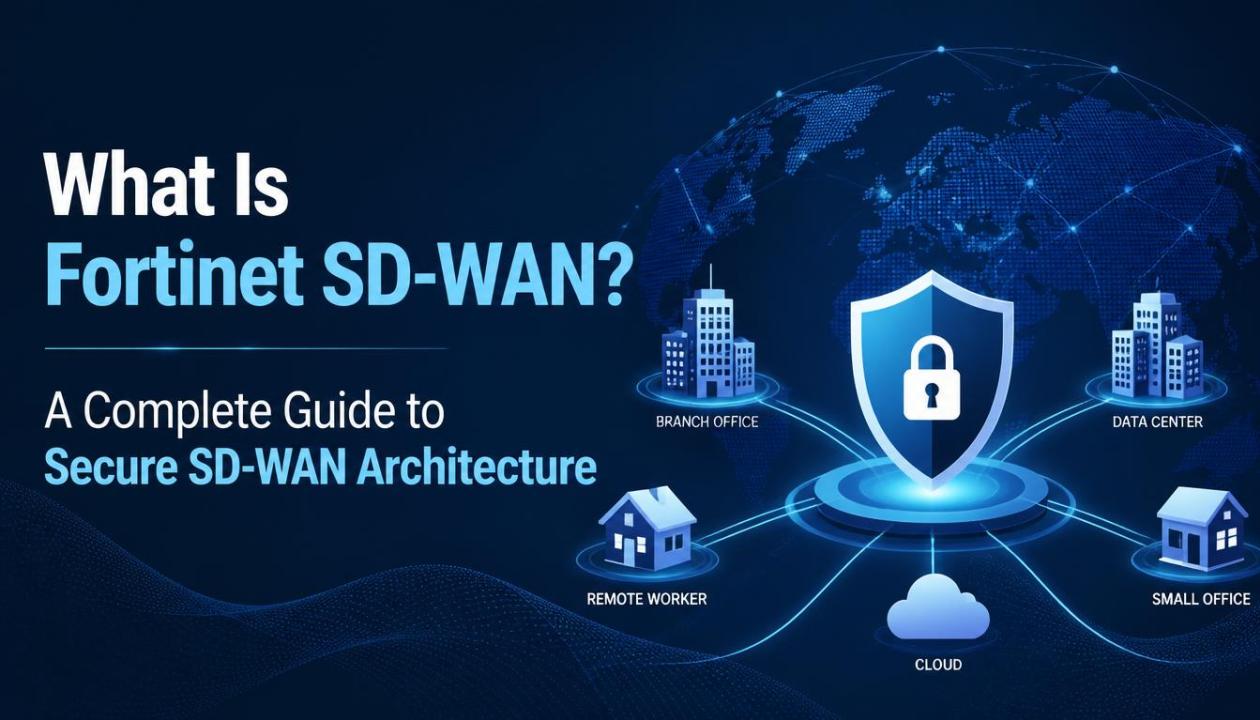
Fortinet SD-WAN creates an intelligent overlay network across different connectivity options. The overlay enables secure communication between branches, data centers, and cloud environments.
Security Fabric Integration
Fortinet SD-WAN works with other Fortinet security solutions through the Fortinet Security Fabric. This provides centralized visibility and coordinated security management across the organization.
Fortinet SD-WAN Use Cases
Enterprise Branch Connectivity
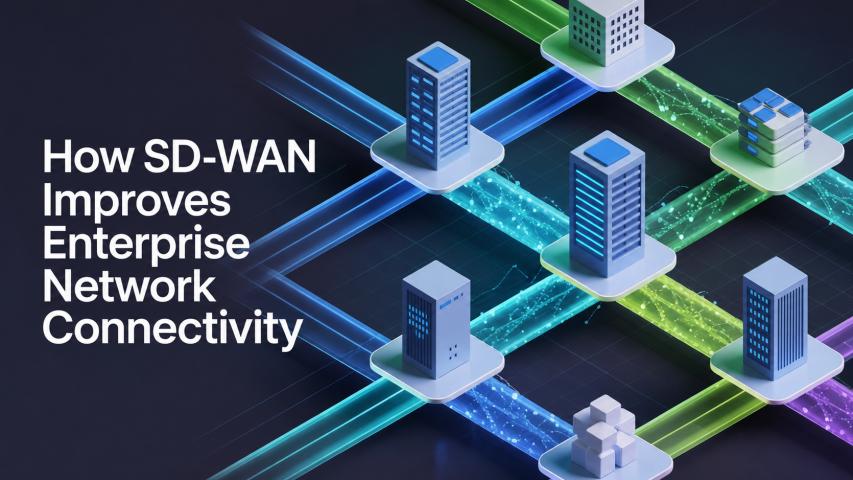
Organizations with multiple branch offices can use Fortinet SD-WAN to create secure and reliable connections between locations.
Retail Networks
Retail companies with many stores can benefit from centralized management, improved application performance, and secure connectivity.
Healthcare Organizations
Healthcare providers require reliable and secure access to critical applications. Fortinet SD-WAN helps support secure communication while maintaining network availability.
Financial Services
Banks and financial institutions require strong security and consistent performance. Fortinet SD-WAN helps improve connectivity while supporting strict security requirements.
Fortinet SD-WAN vs Traditional WAN
Traditional WAN solutions often depend on dedicated connections such as MPLS. While MPLS provides reliability, it can be expensive and difficult to scale.
Fortinet SD-WAN provides a more flexible approach by allowing organizations to combine multiple connection types and dynamically manage traffic.
Key differences include:
Traditional WAN | Fortinet SD-WAN |
Limited path flexibility | Intelligent path selection |
Higher connectivity costs | Supports cost-effective connections |
Manual management | Centralized control |
Separate security solutions | Integrated security features |
Steps to Implement Fortinet SD-WAN
Assess Network Requirements
Organizations should first evaluate current network infrastructure, application requirements, and connectivity challenges.
Select Appropriate Fortinet Solutions
The right FortiGate models and deployment approach should be selected based on business size, traffic requirements, and security needs.
Configure SD-WAN Policies
Network administrators define traffic rules, performance requirements, and application priorities.
Monitor and Optimize Performance
Continuous monitoring helps organizations improve network efficiency and adjust policies when needed.
Why Learn Fortinet SD-WAN?
As organizations continue adopting cloud services and digital transformation strategies, demand for secure networking professionals is increasing. Learning Fortinet SD-WAN helps IT professionals understand modern networking concepts, security integration, and enterprise deployment practices.
A Fortinet SD-WAN Course can help network engineers, security professionals, and administrators develop practical skills needed to design, configure, and manage secure SD-WAN environments.
Future of Fortinet SD-WAN
The future of enterprise networking is moving toward intelligent, automated, and security-focused solutions. SD-WAN technologies will continue to play an important role as businesses expand cloud adoption and require flexible connectivity.
Fortinet SD-WAN is positioned to support this transition by combining networking automation with advanced cybersecurity capabilities.
Conclusion
Fortinet SD-WAN provides organizations with a modern approach to managing wide area networks by combining intelligent routing, centralized management, and integrated security. It helps businesses improve application performance, reduce connectivity costs, and protect critical network resources.
As digital transformation continues, understanding secure networking technologies like Fortinet SD-WAN can help organizations build more efficient and resilient infrastructures. Learning through a Fortinet SD-WAN Course can also help professionals gain valuable skills for managing next-generation enterprise networks.