Your competitor just shipped a feature that took your team six months to build. However, they did it in three weeks, and their web app is already learning from every user who visits it. It's not that they had more money to build it. They just had an AI powered web application doing a lot of the work most teams still do manually.
Today, startups can't afford slow, clunky, one-size-fits-all web apps anymore. Users want apps that learn, predict, and adjust in real time. Founders want tools that cut costs, not corners. That's why smart startups are building their web apps using AI.
So what's actually different about these web apps? This blog breaks it down: how these AI-driven apps differ from the traditional kind, the real business impact startups are seeing, and what to think through before you build one yourself. Let’s dive in.
The Shift: Traditional vs. AI Powered Web Application
Traditional web apps are failing because of their rigidity. Someone clicks a button, a script runs, and the result is exactly the same no matter who's on the other end. That was fine for a long time but now the users have moved on.
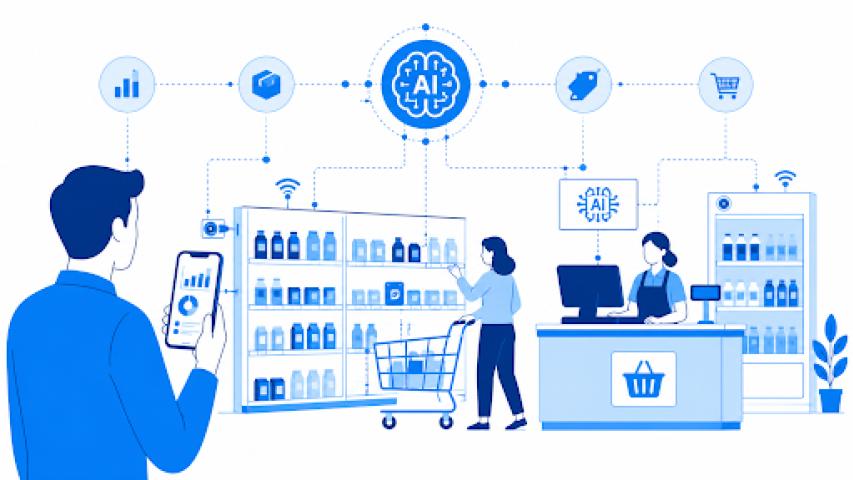
So, the need of the hour is an AI powered web application. A web app that doesn't just execute commands but actually understands context, adapts to behavior, and improves the more it's used. So, here's what that shift actually looks like in practice.
Static Logic vs. Adaptive Intelligence
Old-school apps don't know you from anyone else. Same experience for everyone, every time. AI-powered apps are different. They actually notice things. They run on artificial intelligence applications like machine learning and natural language processing, learning from what people do and adjusting how they respond, right as it's happening.
So a regular visitor sees different suggestions than someone brand new. And a chatbot picks up on what you actually mean, not just random keywords you typed.
Manual Processes vs. Automated Decision-Making
Traditional apps need a person for almost every call, whether that's catching fraud or sorting support tickets. AI apps take a lot of that off someone's plate. This is basically where generative AI shines. It can write responses, summarize large amounts of data, and create content quickly. So, teams no longer have to start from scratch every time.
One-Size-Fits-All vs. Personalized Experiences
Personalization used to just mean sticking a first name in a subject line. Now it means the whole experience shifts based on what someone does, what they seem to want, and what they're likely to do next. That's really the whole point of a good AI powered app.
The Business Impact of AI-Powered Web Applications for Startups
Startups aren't jumping on AI because it sounds cool. They're doing it because it actually moves revenue, keeps users around, and stretches the runway a little further.
Faster Time to Market
Nobody building a startup has years to get things perfect. AI tools for startups now handle a lot of the code generation, testing, and QA work, which means development cycles that used to take months now take weeks. Some teams are shipping with half the headcount they used to need.
Smarter Customer Engagement
AI chat, recommendation engines, predictive search, all of it keeps people on the site longer. Pair that with solid custom web application development services, and you're not just building something that works, you're building something that actually converts.
Lower Operational Costs
When AI handles customer support, onboarding, and data-related tasks, startups spend less time on routine work. They can also reduce hiring costs and use that budget elsewhere. A lot of startups turning to AI software development services are seeing real savings, mostly because tasks that used to swallow an entire team's time now just happen in minutes.
Data-Driven Decision Making
AI apps don't just gather data and sit on it. They actually make sense of it. Founders get insights in real time instead of waiting around for a quarterly report, so pivots happen faster and with a lot more confidence behind them.
Stronger Security and Fraud Prevention
This is something people don't talk about enough. AI isn't just there to make things flashy and personalized. It's also quietly watching for stuff a human eye would probably miss. Weird login attempts, sketchy transactions, patterns that just don't add up, AI catches that stuff early, often before it turns into an actual problem. For a startup that doesn't have the budget for a full security team yet, that's honestly a pretty big deal.
Better Investor Confidence
Investors pick up on these things faster than you might expect. When they see a lean startup with real-time data and smart automation, it tells them something. It says the founders aren't just hustling; they're truly constructing something that will last as the company expands. And, more often than not, that's the type of information that swings a fundraising round in your favor.
So the impact is clear, but getting there depends on how you build it, not just that you build it.
Key Considerations Before Building an AI-Powered Web Application
AI has real potential, but only if it's built well. Here's what to sort out first.
- Map your AI startup challenges solutions before picking any tool
- Find a development partner skilled in generative AI software development
- Weigh build vs. buy honestly. An app builder can be faster but won't always fit
- Budget for ongoing upkeep since models drift and users change over time
- Leverage AI powered app development with clean architecture and a real roadmap
At the end of the day, none of these are checkboxes; they're calls only you can make for your product and your users. Get them right, and the AI-powered web application you build won't just work; it'll actually last.
Conclusion
The startups pulling ahead aren't the ones with the biggest teams. They're the ones building smarter and leaner with the right tech behind them. An AI powered web application isn't a nice extra anymore; it's the baseline for staying in the game.
Start with the problem you're trying to solve, not the tools you'd like to use. Get the principles right, work with individuals who have done this before, and create something that can scale.
FAQS
Can AI-powered web applications help startups reduce operational costs?
Yes. AI handles support, onboarding, and repetitive tasks automatically, freeing up staff time. Startups spend less on manual work and redirect that budget toward growth.
How do AI-powered web applications benefit startups?
They ship faster, personalize experiences, and make smarter decisions using real-time data. Startups compete with leaner teams while still keeping users engaged and coming back.
Are AI-powered web applications secure?
Generally yes, often more so. AI actively monitors for fraud, weird logins, and unusual patterns, catching threats early before they become bigger problems for the business.