A restaurant menu is much more than a collection of food items and prices. It is an important part of the customer experience and plays a significant role in communicating a restaurant’s personality. From the choice of fonts and colors to the arrangement of dishes, every design element can influence how customers view your brand.
Why Menu Design Is Important
When customers receive a menu, they should be able to understand it quickly and comfortably. A cluttered layout, inconsistent typography, or poor-quality images can make even an excellent restaurant appear less professional.
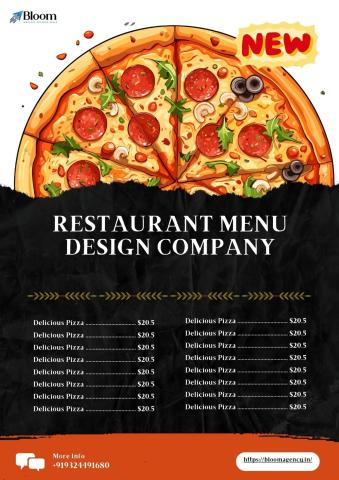
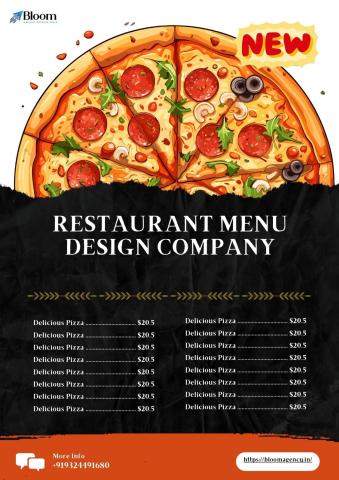
A thoughtfully created menu makes information easier to scan while drawing attention to popular dishes, chef recommendations, combo meals, and special offers. It can also create a visual hierarchy that naturally guides customers through different sections.
For restaurants, cafés, bakeries, hotels, bars, and food delivery businesses, investing in professional menu design services can help create a consistent and appealing presentation that supports the overall brand identity.
Elements of an Effective Restaurant Menu
A successful menu combines creativity with usability. Several elements need to work together to create a balanced design.
Typography
Fonts should be easy to read and complement the personality of the restaurant. Elegant typography may suit a fine-dining establishment, while bold and playful fonts may work better for a casual food brand.
Color Selection
Colors can influence the mood and perception of a restaurant. The selected palette should complement the existing branding and provide sufficient contrast for comfortable reading.
Layout and Organization
A logical structure helps customers find categories, dishes, descriptions, and prices without unnecessary effort. Proper spacing also prevents the menu from appearing overcrowded.
Food Photography
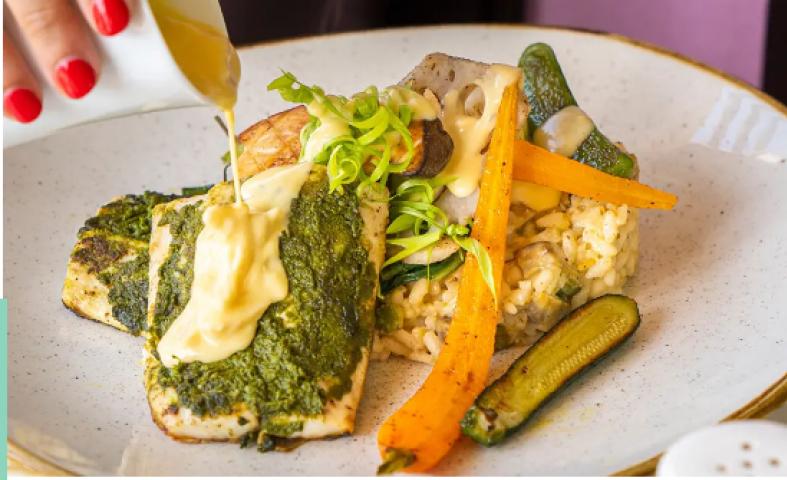
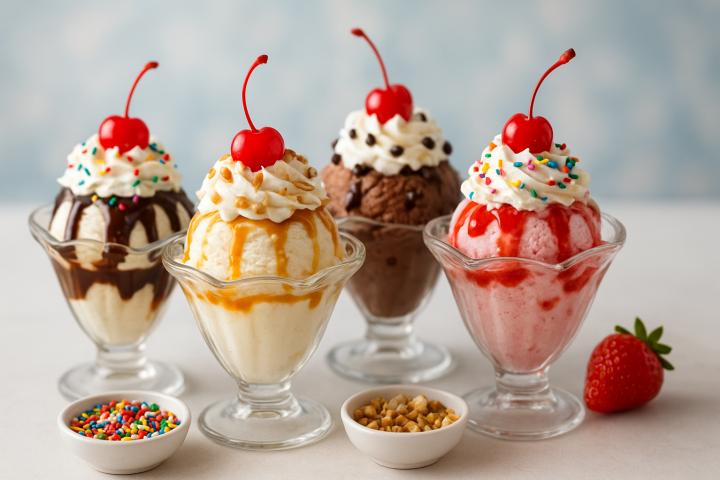
High-quality food images can make dishes more appealing. However, images should be used strategically rather than filling every available space.
Descriptions and Pricing
Short, informative descriptions can help customers understand ingredients and preparation >
How Professionals Approach Menu Creation
Experienced menu designers consider both aesthetics and customer behavior when developing a menu. They study the brand, target audience, cuisine, restaurant atmosphere, and available menu items before deciding on a suitable visual direction.
The design process may include creating initial concepts, selecting typography, developing layouts, incorporating photographs, refining content placement, and preparing files for print or digital use.
A professional approach can also ensure that menus work effectively across different formats, including printed menus, tabletop displays, digital screens, takeaway menus, and QR-code menus.
Choosing the Right Design Partner
Selecting the right menu design agency can make the development process easier and more effective. Businesses should look at previous work, design quality, industry experience, communication, customization options, and turnaround times before making a decision.
It is helpful to choose a team that takes the time to understand the restaurant rather than simply applying a generic template. The final design should feel connected to the brand and provide customers with a smooth ordering experience.
Make Your Menu a Part of Your Brand
A professionally presented menu can strengthen your restaurant's visual identity and make the dining experience more enjoyable. When the layout, typography, colors, imagery, and content work together, the menu becomes an effective communication tool rather than just a price list.
Whether you are opening a new restaurant or refreshing an existing brand, a carefully planned menu can help you make a strong first impression and present your food offerings with confidence.