
Interior design
is no longer limited to choosing colours, furniture, and decorations. Modern
interior designers need to understand space planning, materials, lighting,
technical drawings, design software, client requirements, and the practical
process of developing a complete interior project.
For anyone
looking to turn their creativity into a professional skill, choosing the right interior
design course can provide the foundation needed to understand both the
creative and technical sides of the industry.
With the
growing demand for professionally designed residential and commercial spaces, interiordesign courses in bangalore are attracting students who want practical
knowledge and industry exposure. But choosing a course is an important
decision. The quality of training, practical experience, curriculum,
facilities, and career support can all influence the learning experience.
What Should You Learn in an Interior Design Course?
A well-rounded
interior design program should cover the fundamentals while giving students
opportunities to apply their knowledge.
Students should
develop an understanding of:
- Interior design principles
- Space planning
- Colour theory
- Materials and finishes
- Furniture planning
- Lighting concepts
- Floor plans and layouts
- Technical drawings
- AutoCAD and SketchUp
- Design presentation
- Project planning
- Portfolio development
Learning these
areas together helps students understand how an interior project moves from an
initial idea to a developed design.
Why Practical Learning Matters
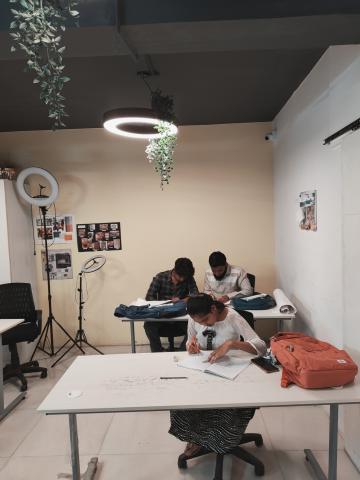
Interior design
is a hands-on profession. Understanding concepts from textbooks is useful, but
students also need opportunities to practise them.
For example,
learning about space planning becomes more meaningful when a student actually
creates a layout, places furniture, considers movement, and adjusts the design
according to the requirements of a space.
Practical
assignments can help students identify mistakes, receive feedback, experiment
with different approaches, and gradually improve their design skills.
This is why
practical exposure should be one of the key factors students consider when
comparing an interior design institute in Bangalore.
Learning Through Real Projects
Projects allow
students to bring different areas of interior design together.
A project may
require students to understand a space, develop a concept, prepare layouts,
select materials, plan furniture, create drawings, and present the final idea.
Working through
these stages helps students understand that interior design is a combination of
creativity, technical knowledge, functionality, and problem-solving.
Projects can
also provide valuable material for a professional portfolio, allowing students
to demonstrate their abilities rather than simply describing them.
Why Software Skills Are Important
Technology has
become an important part of the interior design workflow.
Tools such as
AutoCAD and SketchUp are commonly used during design development, drawings,
layouts, modelling, and presentations. Learning these tools through practical
exercises can help students become more comfortable with the technical side of
interior design.
At Eduleem,
students receive practical exposure to relevant design software as part of
their training, helping them connect digital tools with their design projects.
Understanding Materials Beyond the Classroom
Materials play
a major role in the final appearance, functionality, and durability of an
interior.
Students need
to understand different materials, finishes, textures, applications, and how
they can be used appropriately within a space.
Eduleem
provides factory visit exposure, allowing students to see how materials
and products used in interiors are manufactured and understand processes that
may be difficult to fully appreciate through classroom learning alone.
Industry Workshops With Senior Professionals
Learning
directly from experienced professionals can give students another perspective
on the industry.
Eduleem
conducts workshops with senior professionals, providing students with
opportunities to learn about practical situations, professional expectations,
project workflows, and the realities of working in interior design.
These
interactions can complement classroom education by connecting students with
practical industry knowledge.
Internship and Live Project Experience
One of the most
valuable parts of professional training can be exposure to an actual project
environment.
Eduleem
provides a 3-month internship with one live project for students
enrolled in its 1-year interior design program.
A live project
can help students understand how design requirements, planning, communication,
revisions, coordination, and execution come together in a real setting.
This experience
can also help students build confidence when presenting their work and
discussing their project experience during future interviews.
Building a Professional Portfolio
A portfolio can
play an important role when an aspiring designer starts looking for
professional opportunities.
Instead of only
listing skills on a resume, a portfolio allows students to demonstrate their
design thinking and practical work.
A strong
interior design portfolio can include:
- Concept sketches
- Space plans
- Floor plans
- Furniture layouts
- Material selections
- Colour schemes
- 3D visualisations
- Technical drawings
- Completed project presentations
Practical
projects completed during training can provide a foundation for developing this
portfolio.
How Eduleem Supports Interior Design Students
Eduleem focuses
on combining classroom learning with practical exposure and career-oriented
training.
The institute
offers an affordable fee structure, expert trainers, and an updated
course curriculum designed to cover important creative and technical
aspects of interior design.
Students also
benefit from factory visits and workshops with senior professionals,
helping them gain exposure beyond traditional classroom learning.
For students
pursuing the 1-year program, Eduleem provides a 3-month internship with one
live project, giving students an opportunity to experience practical
project work.
Eduleem also
provides placement support through its placement cell to help students
explore opportunities as they begin their careers.
Eduleem's Student and Placement Track Record
Eduleem has trained
more than 200+ students in its design programs and has a proven placement
track record.
Many students
have been placed in top design companies with the support of the Eduleem
placement cell.
Placement
outcomes naturally depend on individual skills, performance, portfolio quality,
and available opportunities. However, structured training, practical exposure,
internship experience, and placement assistance can help students prepare more
confidently for the professional environment.
What Makes Eduleem Different?
When students
compare interior design courses in bangalore, it is important to look at
what they will actually experience during the program.
Eduleem brings
together:
Affordable Fee
Structure
Professional interior design training at an accessible fee structure.
Expert Trainers
Guidance from trainers who help students understand design concepts and
practical applications.
Updated
Curriculum
A curriculum covering essential creative, technical, and project-related
aspects of interior design.
Factory Visit
Real-world exposure to manufacturing and materials used in interior projects.
Senior
Professional Workshops
Practical insights from experienced professionals.
Internship and
Live Project
A 3-month internship with one live project for students enrolled in the 1-year
program.
Placement
Support
Career assistance through the Eduleem placement cell.
Eduleem also
highlights its combination of factory visit exposure and live project
experience as a distinctive feature of its interior design training in
Bangalore.
Choosing an Interior Design Institute in Bangalore
The right
institute should offer more than a certificate. Before enrolling, students
should consider the complete learning experience.
Ask about:
- Course curriculum
- Practical training
- Design software
- Project work
- Faculty and trainers
- Industry exposure
- Factory visits
- Professional workshops
- Internship opportunities
- Portfolio development
- Placement assistance
These factors
can help students understand whether a program matches their learning and career
goals.
Why Bangalore Is a Strong Environment for Interior Design
Learning
Bangalore has a
diverse mix of residential communities, offices, commercial spaces, retail
environments, and rapidly developing properties.
This creates a
useful environment for students to observe different design requirements and
understand how interior design can vary depending on the type of space.
Students can explore different design >
For someone
researching an interior design institute in Bangalore, practical
exposure to different aspects of the industry can make the learning journey
more meaningful.
Start Your Interior Design Journey With Eduleem
Becoming an
interior designer takes more than an interest in beautiful spaces. It requires
creativity, technical knowledge, software skills, practical experience, project
understanding, and the confidence to present your ideas.
Eduleem brings
these areas together through its affordable fee structure, expert trainers,
updated curriculum, factory visits, workshops with senior professionals,
practical project experience, 3-month internship with one live project, and
placement support.
With more than 200+
students trained and a proven placement track record, Eduleem continues to
support students as they develop their skills and explore opportunities in the
design industry.
If you're
searching for interior design courses in bangalore and want a learning
experience that combines classroom knowledge with practical exposure, Eduleem
can be a place to begin your journey.
New Batch Starting Soon
Take the first
step toward building your interior design skills with Eduleem.
For More
Details
96064 57497
www.eduleem.com