Full Stack Development continues to be one of the most in-demand areas of software engineering. Modern businesses need developers who can build complete applications—from responsive user interfaces to powerful backend systems, databases, APIs, cloud deployments, and integrations.
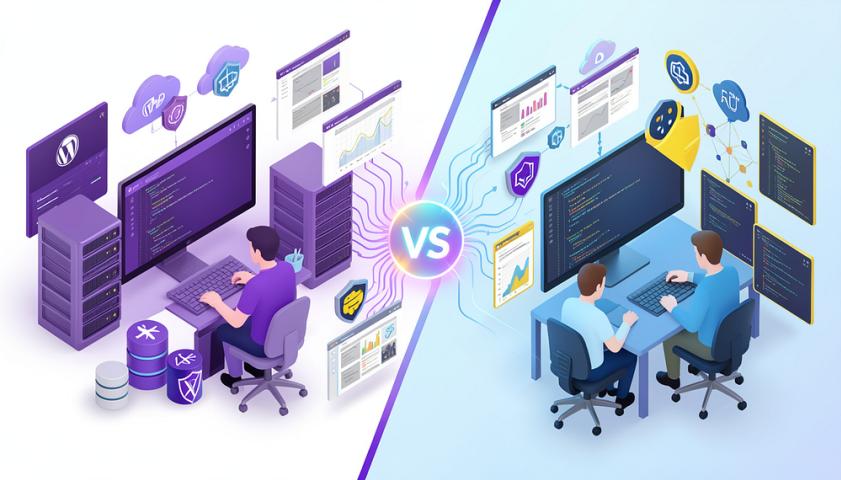
Two popular paths for aspiring full-stack developers are Python Full Stack Development and Java Full Stack Development. Both offer strong technical foundations and can lead to careers in web application development, enterprise software, SaaS, fintech, e-commerce, and other technology sectors.
In this article, we’ll explore Python and Java Full Stack Development, the technologies involved, their differences, career opportunities, and a practical learning roadmap for beginners.
What Is Full Stack Development?
A Full Stack Developer works across both the frontend and backend of an application.
A typical full-stack application includes:
Frontend – The user interface that customers interact with
Backend – Business logic and application processing
Database – Storage and management of application data
APIs – Communication between frontend and backend
Authentication & Security – Login, authorization, and data protection
Version Control – Managing source code with Git
Deployment – Hosting applications on servers or cloud platforms
For example, when a user logs into an e-commerce website, the frontend collects the login information, the backend validates it, the database retrieves the user's information, and the application returns the appropriate response.
What Is Python Full Stack Development?
Python Full Stack Development combines Python-based backend technologies with modern frontend technologies.
A common Python Full Stack technology stack includes:
Frontend
HTML5
CSS3
JavaScript
Bootstrap
React.js or Angular
Backend
Python
Django
Flask
FastAPI
Database
MySQL
PostgreSQL
MongoDB
Development Tools
Git
GitHub
VS Code
Postman
Deployment
Linux
Docker
AWS or other cloud platforms
CI/CD tools
Python is known for its readable syntax and extensive ecosystem. It is also widely used beyond web development, including data science, automation, AI, machine learning, and Generative AI.
What Is Java Full Stack Development?
Java Full Stack Development combines Java-based backend development with frontend technologies.
A typical Java Full Stack stack includes:
Frontend
HTML5
CSS3
JavaScript
Bootstrap
React.js or Angular
Backend
Java
Spring
Spring Boot
Spring MVC
Spring Security
Hibernate/JPA
Database
MySQL
PostgreSQL
MongoDB
Development Tools
Git
GitHub
Maven
IntelliJ IDEA or Eclipse
Postman
Deployment
Linux
Docker
AWS
CI/CD tools
Java has a particularly strong presence in enterprise software and large-scale backend systems.
Python Full Stack vs Java Full Stack
Both technologies can be used to create complete web applications, but their ecosystems and typical use cases differ.
Feature | Python Full Stack | Java Full Stack |
|---|---|---|
Main Backend Language | Python | Java |
Popular Frameworks | Django, Flask, FastAPI | Spring Boot, Spring MVC |
Learning Curve | Generally beginner-friendly | Moderate |
Frontend | React, Angular, JavaScript | React, Angular, JavaScript |
Databases | MySQL, PostgreSQL, MongoDB | MySQL, PostgreSQL, MongoDB |
Enterprise Development | Widely used | Very widely used |
AI/ML Integration | Strong ecosystem | Available, but Python dominates AI/ML |
APIs | FastAPI, Django REST Framework, Flask | Spring Boot |
Common Applications | Web apps, APIs, SaaS, automation, AI-integrated applications | Enterprise applications, banking, e-commerce, large-scale systems |
The choice between the two depends on your learning goals, preferred programming language, target roles, and the type of applications you want to build.
Key Skills Every Full Stack Developer Should Learn
Regardless of whether you choose Python or Java, several skills are fundamental.
1. HTML
HTML provides the structure of a web page.
You should understand:
Forms
Tables
Links
Images
Semantic HTML
Input elements
HTML5 features
2. CSS
CSS is responsible for styling and layout.
Important concepts include:
Flexbox
Grid
Responsive design
Media queries
Animations
Positioning
Typography
3. JavaScript
JavaScript is essential for creating interactive web applications.
Learn:
Variables
Functions
Arrays
Objects
DOM
Events
ES6+
Promises
Async/await
Fetch API
JSON
4. Frontend Framework
After learning JavaScript fundamentals, developers can learn a framework such as React.js or Angular.
Modern frontend development commonly involves:
Components
Routing
State management
API integration
Forms
Authentication
Reusable UI elements
Python Full Stack Learning Roadmap
If you're starting with Python, you can follow this sequence:
Step 1: Python Fundamentals
Learn:
Variables
Data types
Operators
Conditions
Loops
Functions
Lists
Tuples
Sets
Dictionaries
Exception handling
File handling
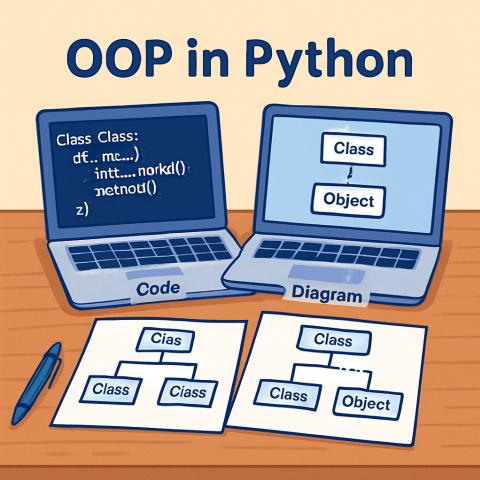
Step 2: Object-Oriented Programming
Understand:
Classes
Objects
Inheritance
Encapsulation
Polymorphism
Abstraction
Step 3: Database
Learn SQL and database concepts:
SELECT
INSERT
UPDATE
DELETE
JOIN
GROUP BY
Subqueries
Primary keys
Foreign keys
Step 4: Django or FastAPI
Learn how to:
Create APIs
Handle requests
Connect databases
Implement authentication
Build CRUD applications
Create backend services
Step 5: Frontend
Learn:
HTML → CSS → JavaScript → React/Angular
Step 6: Git and GitHub
Understand:
git init
git add
git commit
git push
git pull
Branching
Merging
Step 7: Deployment
Learn the basics of:
Linux
Docker
Cloud platforms
Application servers
Environment variables
CI/CD
Java Full Stack Learning Roadmap
For Java Full Stack Development, a practical sequence is:
Step 1: Core Java
Learn:
Variables
Data types
Operators
Conditions
Loops
Arrays
Strings
Methods
Exception handling
Step 2: Object-Oriented Programming
Master:
Classes and objects
Inheritance
Polymorphism
Abstraction
Encapsulation
Interfaces
Step 3: Advanced Java
Learn:
Collections
Generics
Multithreading
Streams
Lambda expressions
JDBC
Step 4: Spring Boot
Spring Boot is an important part of modern Java backend development.
Learn:
REST APIs
Controllers
Services
Repositories
Dependency Injection
Spring Data JPA
Hibernate
Spring Security
Step 5: Database
Learn SQL and database design using technologies such as MySQL or PostgreSQL.
Step 6: Frontend
Learn:
HTML → CSS → JavaScript → React/Angular
Step 7: DevOps & Deployment
Understand:
Git
Maven
Docker
Linux
Cloud
CI/CD
Projects for Python Full Stack Developers
Projects are extremely important for building practical development skills.
Beginner Projects
To-Do Application
Student Management System
Calculator
Personal Portfolio
Login & Registration System
Intermediate Projects
Online Book Store
Employee Management System
E-commerce Application
Expense Tracker
Learning Management System
Advanced Projects
Full-stack e-commerce platform
Job portal
Real-time collaboration application
AI-powered web application
CRM application
Projects for Java Full Stack Developers
Java developers can build projects such as:
Beginner Projects
Student Management System
Library Management System
Employee Management System
Intermediate Projects
Online Banking Application
E-commerce Website
Inventory Management System
Hotel Booking System
Advanced Projects
Enterprise CRM
Banking platform
Healthcare management system
Microservices-based e-commerce application
Cloud-based business application
Python Full Stack and AI
One important advantage of Python is its strong connection with AI and data technologies.
A Python Full Stack Developer can extend their skill set into:
Machine Learning
Generative AI
Large Language Models
RAG applications
AI APIs
Data Analytics
Automation
Computer Vision
For example, a developer could build a React frontend, Python/FastAPI backend, PostgreSQL database, and an AI-powered document Q&A feature using an LLM and RAG architecture.
This creates opportunities to combine Full Stack Development + AI.
Java Full Stack and Enterprise Applications
Java remains an important technology for enterprise application development.
Java Full Stack Developers may work with:
Spring Boot
REST APIs
Microservices
Hibernate
Spring Security
Kafka
Docker
Kubernetes
Cloud platforms
Java's ecosystem is particularly relevant for applications where scalability, maintainability, security, and integration with enterprise systems are important requirements.
Career Opportunities
After developing the necessary skills and project experience, learners can explore roles such as:
Python Track
Python Developer
Python Full Stack Developer
Backend Developer
Django Developer
API Developer
Software Developer
AI Application Developer
Java Track
Java Developer
Java Full Stack Developer
Spring Boot Developer
Backend Developer
Software Engineer
API Developer
Enterprise Application Developer
The actual requirements vary between companies and job roles, so candidates should review job descriptions and build skills around the roles they want to pursue.
How to Choose Between Python and Java Full Stack?
Instead of focusing only on the programming language, consider the type of work you want to do.
Choose Python Full Stack if you are interested in:
Beginner-friendly programming
Web development
AI and ML integration
Automation
Data-related applications
Rapid application development
Consider Java Full Stack if you are interested in:
Enterprise applications
Spring Boot
Large-scale backend systems
Microservices
Enterprise software development
Long-term Java ecosystem specialization
Both paths can provide a strong foundation for software development.
Final Thoughts
Python Full Stack and Java Full Stack are both valuable paths for anyone looking to enter modern software development.
A successful Full Stack Developer needs more than knowledge of one programming language. Building real projects, understanding databases, developing APIs, learning frontend technologies, using Git, understanding deployment, and practicing problem-solving are all important parts of the journey.
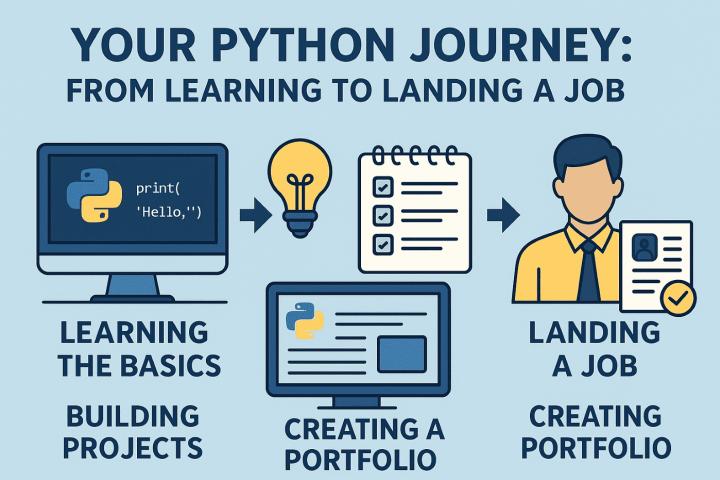
For beginners, a practical roadmap is:
Programming → HTML/CSS → JavaScript → Frontend Framework → Backend Framework → SQL → APIs → Git/GitHub → Projects → Deployment
Whether you choose Python Full Stack or Java Full Stack, focus on building real applications rather than learning technologies only through theory. A strong project portfolio can help demonstrate your practical skills when applying for development roles.
Ready to start your Full Stack Development journey? Build your first project, keep practicing, and gradually expand from frontend to backend, databases, APIs, and cloud deployment.