Knowing your sleeping posture is the first step in selecting the ideal mattress. Back sleepers require lumbar support, stomach sleepers want a harder surface to avoid spinal misalignment, and side sleepers require pressure relief at the shoulders and hips. By adjusting the hardness of your mattress to your sleeping position, you may lessen pain, enhance the quality of your sleep, and prolong the life of your mattress.
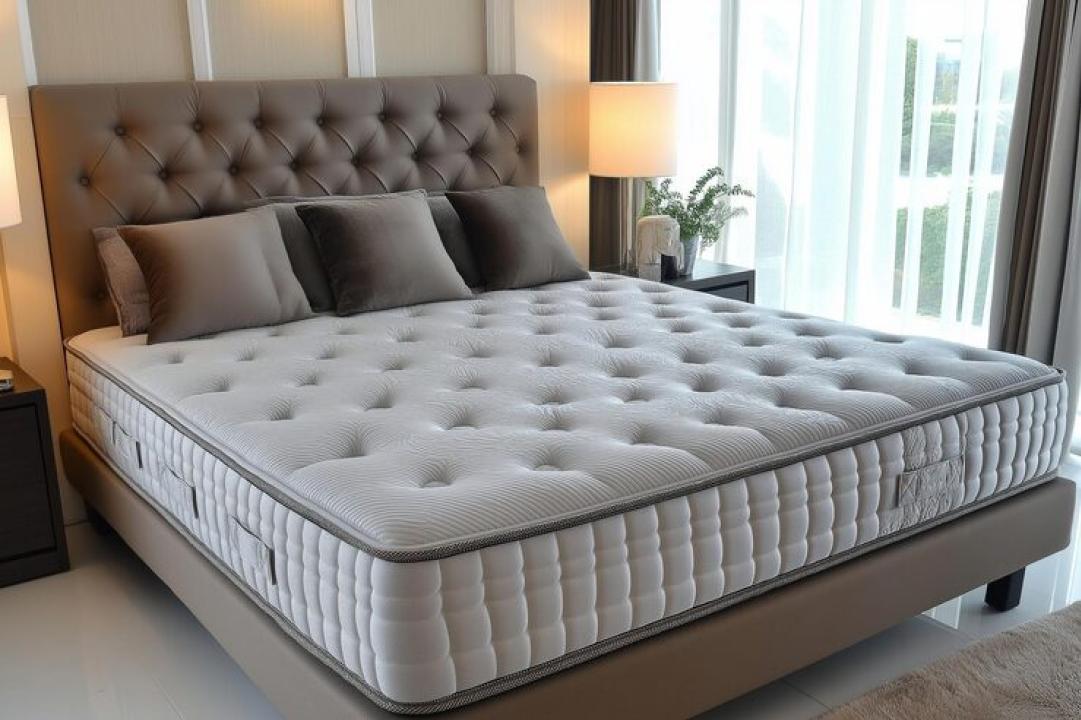
If you share a bed with a partner who sleeps differently, the stakes are even higher. The wrong mattress doesn't just cause discomfort — it disrupts sleep cycles, creates pressure points, and leads to restless nights. A king koil mattress is designed with this variety in mind, offering options across firmness levels and support zones to suit different body types and sleeping >
Why Your Sleeping Position Matters More Than You Think
Your sleeping position determines how your weight is distributed across the mattress surface. That distribution affects spinal alignment, joint pressure, and circulation throughout the night. A mattress that works brilliantly for a back sleeper can be the wrong choice for a side sleeper — even at the same price point and quality level.
According to sleep research, over 70% of adults regularly sleep in more than one position throughout the night. This is especially common among couples, where two different sleep >
Mattress Firmness Guide by Sleeping Position
Firmness is measured on a scale from 1 (ultra-soft) to 10 (extra firm). Most sleepers fall somewhere between 3 and 8. Here's how to match mattress firmness to how you sleep.
Side Sleeper Mattress: Go Medium to Medium-Soft
One of the most popular sleeping positions is side sleeping, which concentrates pressure on the hip and shoulder. An excessively hard mattress will push back against these spots, resulting in discomfort. A side sleeper mattress should support the spine in a neutral line while conforming to the body's natural curves.
Ideal firmness: 3–6 out of 10
Look for: Memory foam or hybrid layers that cushion pressure points
Avoid: Extra-firm mattresses that cause shoulder and hip pain
King Koil's hybrid range performs particularly well here. The comfort layer absorbs pressure at contact points while the support core keeps the spine properly aligned — important for preventing lower back and neck issues over time.
Back Sleeper Mattress: Choose Medium-Firm
Back sleeping distributes weight relatively evenly, but the lower lumbar area still needs targeted support. A back sleeper mattress that's too soft will let the hips sink too deeply, creating a curved spine and morning stiffness. Too firm, and there's no contouring to fill the natural arch of the lower back.
Ideal firmness: 5–7 out of 10
Look for: Zoned support systems that are firmer under the hips and softer under the shoulders
Avoid: Plush pillow-tops with no underlying support layer
A medium-firm king koil mattress provides the right balance — enough give to conform to the lumbar curve, enough resistance to keep the pelvis level.
Stomach Sleeper Mattress: Opt for Firm
Stomach sleeping puts the most strain on the spine of any sleep position. When the midsection sinks into a soft mattress, the lower back bends unnaturally and the neck rotates to one side for hours. A stomach sleeper mattress needs to be firm enough to keep the body flat and supported.
Ideal firmness: 6–8 out of 10
Look for: Firm foam or innerspring with minimal pillow-top
Avoid: Memory foam mattresses that are too conforming — they allow excessive sinkage
What Couples Should Consider
When two sleepers share a bed, finding a single mattress that works for both requires a bit of strategy. Here are the key factors couples should evaluate:
Factor | Why It Matters | What to Look For |
|---|---|---|
Motion isolation | One partner's movement shouldn't wake the other | Memory foam or pocketed coil systems |
Edge support | Couples use the full surface of the mattress | Reinforced perimeter coils or high-density foam edges |
Firmness compromise | Mixed sleep positions need balanced firmness | Medium-firm hybrids work for most combinations |
Temperature regulation | Body heat from two sleepers can build up | Gel-infused foam or breathable fabric covers |
A medium-firm hybrid mattress often serves as the best compromise for couples with different sleeping positions. It provides enough contouring for a side sleeper while offering the firmness a back or stomach sleeper needs.
Body Weight and Its Role in Mattress Selection
Firmness isn't just about sleeping position — body weight significantly changes how a mattress feels and performs. A mattress rated "medium" will feel much softer to a heavier person than to someone lighter.
Under 60 kg: Go one step softer than recommended for your position
60–90 kg: Standard firmness recommendations apply
Over 90 kg: Go one step firmer to avoid excessive sinkage and maintain support
This is especially relevant for couples with a significant weight difference. The partner who weighs more will sink further into the same surface, which can affect both spinal alignment and motion transfer.
How to Test Mattress Firmness Before You Buy
Reading about firmness is useful, but feeling it in person is always better. When visiting a showroom, spend at least 10–15 minutes lying on each option in your actual sleeping position — not just sitting on the edge. Bring your partner if you share a bed.
Pay attention to:
Whether your spine feels neutral or curved
Any pressure on your shoulders, hips, or lower back
How much you feel your partner's movement when they shift
Whether the edge holds when you sit or sleep near the perimeter
King Koil Mattress Options Worth Considering
King Koil offers a well-structured range designed to address exactly these needs. Whether you're a side sleeper who needs pressure relief, a back sleeper looking for lumbar support, or a couple trying to find a middle ground, their lineup covers the full firmness spectrum. Their mattresses are engineered with differentiated support zones, which is particularly valuable for combination sleepers and couples.
The Mattress Boutique stocks the full King Koil collection, making it easy to compare options in person and get expert guidance without pressure.
Frequently Asked Questions
Q: What firmness level is best for a side sleeper?
A medium-to-medium-soft mattress, scored between three and six on a firmness scale, is typically ideal for side sleepers. This range maintains the spine in a neutral position while providing shoulder and hip cushioning. An excessively hard mattress might cause pain or discomfort by creating pressure points at these joints.
Q: Can one mattress work for two people with different sleeping positions?
Yes, for couples who sleep in different positions, a medium-firm hybrid mattress is typically the best option. It strikes a compromise between the stiffer support that back and stomach sleepers require and the contoured comfort of side sleepers. In order to prevent one partner's movement from upsetting the other during the nite, good motion isolation is also essential.
Q: How does body weight affect mattress firmness choice?
In reality, body weight affects how a mattress feels. In order to retain adequate spinal support, heavier sleepers usually require a firmer mattress because they sink deeper into the same surface. Firm mattresses may be too inflexible for lighter sleepers, who might benefit from going one step softer than what is often advised for their sleep position.
Q: Is a king koil mattress suitable for stomach sleepers?
Indeed, King Koil provides firmer alternatives that are ideal for stomach sleepers. A mattress that is firm enough to keep the abdomen from sinking—which might result in spinal misalignment—is necessary for stomach sleeping. A firm King Koil model with a strong support core and little pillow top keeps the body flat and lessens lower back pain.
Q: What is the difference between a hybrid and a foam mattress for different sleeping positions?
With an innerspring support core and foam comfort layers, hybrid mattresses offer responsiveness and contouring, making them ideal for the majority of sleeping positions. Although pure foam mattresses offer less bounce and ventilation, they offer deeper pressure relief. For couples or combination sleepers who require a balance between comfort and support, hybrids are frequently a preferable option.