
Running a kayak rental business can be rewarding, especially in areas where people enjoy outdoor recreation and water activities. However, managing reservations, equipment, customers, staff, payments, and safety requirements can quickly become complicated as the business grows.
A well-organized management process can help reduce administrative work, prevent booking conflicts, improve customer experiences, and keep equipment in good condition. Whether you operate a small seasonal rental service or a larger waterfront business, adopting efficient systems can make day-to-day operations much easier.
Here are practical ways to manage kayak rental business operations more effectively.
Keep Reservations Organized
Reservations are at the center of most kayak rental businesses. Customers need to know what equipment is available, when it can be collected, how long they can use it, and what the rental costs.
Managing bookings manually through phone calls, text messages, or spreadsheets can become difficult as demand increases. Double bookings, missed reservations, and scheduling mistakes can affect both customers and staff.
A centralized booking system can make reservations easier to manage. Customers can view available time slots and select the equipment and rental duration they need. Staff can then see upcoming bookings in one place.
Automated booking confirmations and reminders can also reduce the number of customers who forget their reservation times.
Maintain an Accurate Equipment Inventory
Kayaks are valuable business assets, so keeping track of them is essential. Every kayak should have an identifiable record that includes relevant information such as its model, condition, maintenance history, and availability.
An organized inventory system can help staff quickly determine which kayaks are available for rental and which ones are being repaired or inspected.
It is also useful to track related equipment such as paddles, life jackets, seats, straps, and other accessories. This reduces the risk of missing equipment when customers arrive for their rentals.
Schedule Regular Maintenance
Kayaks are exposed to water, sunlight, sand, rocks, and frequent handling. Regular inspections can help identify problems before they become larger issues.
Create a maintenance schedule based on usage and the manufacturer's recommendations. Staff can check kayaks for visible damage, worn components, loose fittings, and other concerns before returning equipment to the rental fleet.
Keeping maintenance records can also help managers determine when equipment needs repair or replacement.
Most importantly, equipment should be removed from service when it is not safe to use. Safety should take priority over keeping every kayak available for bookings.
Train Employees Properly
Employees are often the first point of contact for customers, so proper training is important. Staff should understand the rental process, equipment handling, customer service procedures, and the company's safety policies.
Training can include how to inspect kayaks, fit personal flotation devices, explain basic equipment use, and communicate relevant safety information.
Employees should also know what to do when weather or water conditions create concerns. Having clear procedures helps staff respond consistently rather than making decisions from scratch during busy periods.
Make the Customer Check-In Process Simple
Customers generally want to spend less time completing paperwork and more time enjoying their activity. A streamlined check-in process can improve their overall experience.
Consider collecting necessary customer information during the booking process instead of waiting until arrival. Digital forms, online waivers, and electronic payments can reduce paperwork at the rental location.
When customers arrive, staff can verify the reservation, provide equipment, review relevant instructions, and get them on the water efficiently.
Use Digital Payments and Receipts
Handling payments manually can create unnecessary administrative work. Digital payment systems can make it easier to process rental fees, deposits, additional charges, and refunds.
Electronic receipts also provide customers with a convenient record of their transactions.
For business owners, digital payment records can simplify bookkeeping and make it easier to review revenue by date, rental type, or location.
Monitor Weather and Operating Conditions
Weather and water conditions can directly affect kayak rental operations. Strong winds, storms, extreme temperatures, or unsafe water conditions may require changes to scheduled rentals.
Businesses should establish clear policies for cancellations, rescheduling, and refunds when conditions are unsuitable.
Weather information should be monitored regularly, and staff should have a clear process for communicating schedule changes to customers.
A proactive approach can help protect customers, employees, and equipment while reducing confusion when conditions change unexpectedly.
Track Business Performance
Efficient management also requires understanding how the business is performing.
Useful metrics may include:
Number of rentals per day or week
Revenue by rental type
Average booking value
Equipment utilization
Cancellation rates
Repeat customer rates
Peak booking periods
Maintenance expenses
Customer reviews and feedback
Reviewing these figures can reveal patterns that may not be obvious during daily operations.
For example, if certain kayaks are consistently booked while others remain unused, the business may need to reconsider its equipment mix. Similarly, identifying peak periods can help managers schedule enough employees to handle demand.
Manage Staff Schedules Efficiently
Staffing requirements can change significantly throughout the day and across the season. Weekend afternoons may require more employees than weekday mornings, for example.
A clear scheduling system can help ensure that enough staff are available during busy periods without unnecessarily increasing labor costs during slower times.
Employees should also understand their responsibilities before each shift. Assigning specific duties for customer check-ins, equipment preparation, inspections, cleaning, and returns can help prevent tasks from being overlooked.
Encourage Customer Feedback
Customer feedback can provide valuable information about the rental experience. Ask customers about the booking process, equipment quality, staff assistance, and overall experience.
Reviews can highlight strengths as well as areas that need attention.
If multiple customers mention the same problem, such as confusing directions or a slow check-in process, it may indicate that a change is needed.
Responding professionally to feedback also shows customers that the business takes their experience seriously.
Prepare for Seasonal Demand
Many kayak rental businesses experience significant seasonal fluctuations. Planning ahead can help businesses prepare for busy periods and quieter months.
Before the peak season begins, inspect the entire fleet, review pricing, update booking information, train seasonal employees, and ensure necessary supplies are available.
During slower periods, businesses can focus on equipment maintenance, staff training, marketing, and operational improvements.
Seasonal planning can reduce last-minute problems when demand increases.
Promote the Business Online
An efficient operation still needs a consistent flow of customers. A strong online presence can help potential renters discover the business when searching for kayaking activities in the area.
A website should clearly display rental options, pricing, operating hours, location information, safety requirements, and booking instructions. High-quality photographs can also help customers understand what to expect.
Businesses can use local search optimization, social media, customer reviews, email marketing, and partnerships with nearby hotels or tourism businesses to reach additional audiences.
Automate Routine Tasks
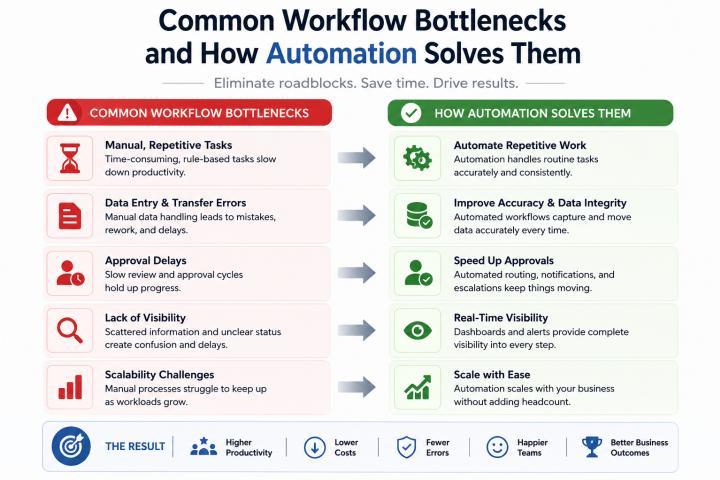
Automation can save considerable time when used for repetitive administrative tasks. Depending on the tools available, businesses may automate booking confirmations, reminders, receipts, customer notifications, review requests, and basic reporting.
The goal is not to eliminate personal customer service. Instead, automation can handle repetitive administrative work so employees have more time to focus on customers and equipment.
Conclusion
A successful kayak rental business depends on more than having quality equipment in a desirable location. Efficient management requires organized reservations, reliable equipment tracking, regular maintenance, trained employees, streamlined payments, safety procedures, and good customer communication.
Businesses that manage kayak rental business operations with organized systems can reduce administrative problems and create a smoother experience for both customers and staff. By combining technology with clear procedures and consistent safety practices, kayak rental operators can spend less time dealing with avoidable operational issues and more time building a reliable, customer-focused business.