
When people think about great spaces, they often imagine striking architecture, warm lighting, or comfortable furniture. Yet one invisible element shapes the experience just as much: sound. A well-designed room can feel ruined if echoes bounce around uncontrollably or if outside noise intrudes. That’s why architects and designers are increasingly turning to acoustic treatment materials. These innovations are changing the way we build and live, offering smarter solutions for noise control in every environment.
The Overlooked Problem of Noise
Noise pollution is more than an inconvenience—it affects health, productivity, and mood. Constant exposure to disruptive sound has been linked to higher stress levels, poor concentration, and even sleep problems. While traditional fixes like rugs and curtains soften sound slightly, they’re no match for the precision of modern acoustic material.
What Sets Acoustic Treatment Materials Apart?
Unlike generic soundproofing, acoustic treatment materials are engineered to manage sound at multiple levels. They can:
Absorb echoes and reverberations for cleaner speech and music.
Diffuse sound evenly to prevent “dead spots” or boomy corners.
Block external noise so rooms stay private and peaceful.
This versatility makes them indispensable in homes, offices, schools, and public spaces where both clarity and comfort matter.
Step beyond conventional design with Tranquil Global’s innovative interior solutions.
Acoustic Sheet Material: A Flexible Solution
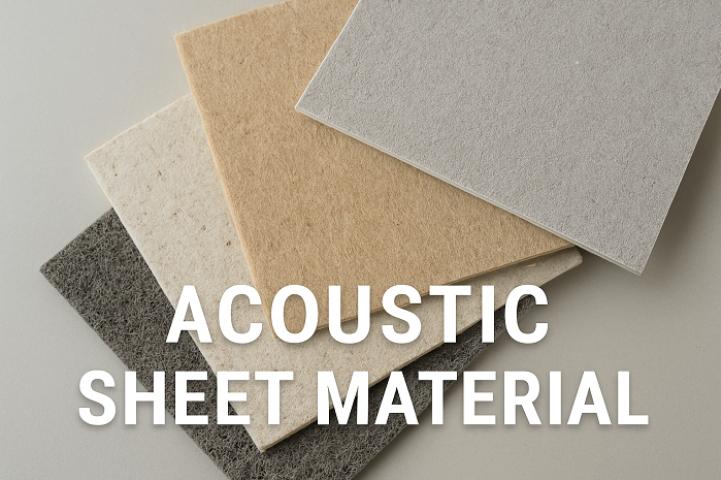
One of the most versatile forms of soundproofing is acoustic sheet material. Thin yet dense, these sheets can be installed inside walls, ceilings, or floors without compromising design. Their biggest advantage is flexibility—they can be cut, layered, and adapted to suit different projects. For apartment living, acoustic sheet material reduces sound transfer between units; in offices, it helps create quieter zones without the need for bulky partitions.
Applications Across Industries
The beauty of acoustic treatment materials is how seamlessly they adapt to different sectors:
Residential Spaces: Home theaters, music rooms, and open-plan living areas benefit from tailored acoustic material to balance comfort and privacy.
Work Environments: With open-plan layouts dominating offices, noise management is critical for focus and productivity.
Healthcare: Hospitals rely on acoustic treatment materials to ensure patient areas remain calm and shielded from corridor chatter.
Hospitality: Hotels and restaurants use panels, baffles, and acoustic sheet material to create intimate, high-quality guest experiences.
Education: In classrooms, effective acoustic material ensures speech intelligibility, improving both teaching and learning.
Why is the demand Growing?
Several factors explain why acoustic treatment materials are no longer optional but essential:
Urbanization – With cities growing denser, background noise is harder to escape.
Wellness Trends – Health-conscious design highlights the impact of sound on stress and productivity.
Regulation – Many regions now mandate acoustic standards for public buildings.
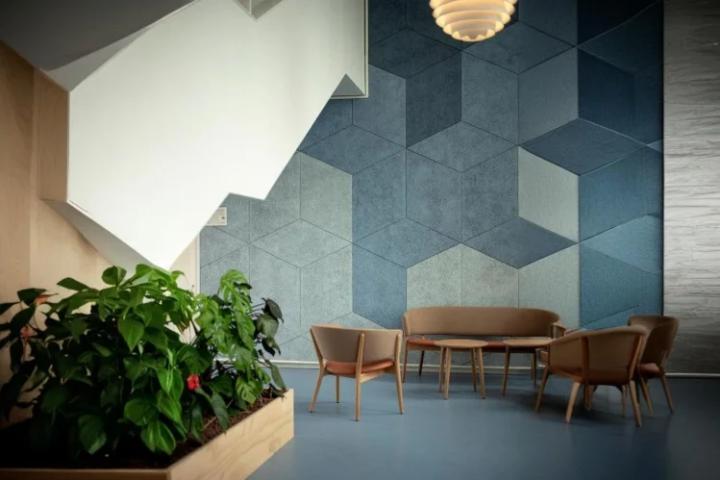
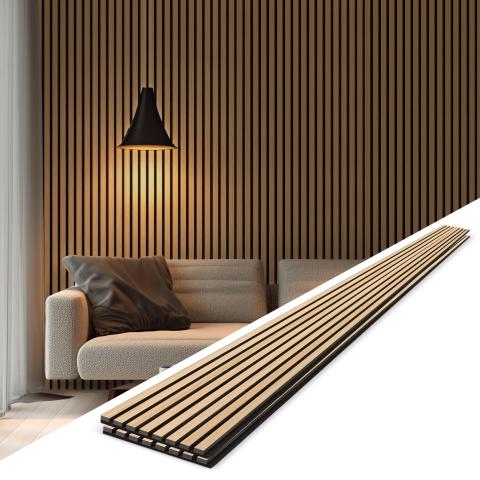
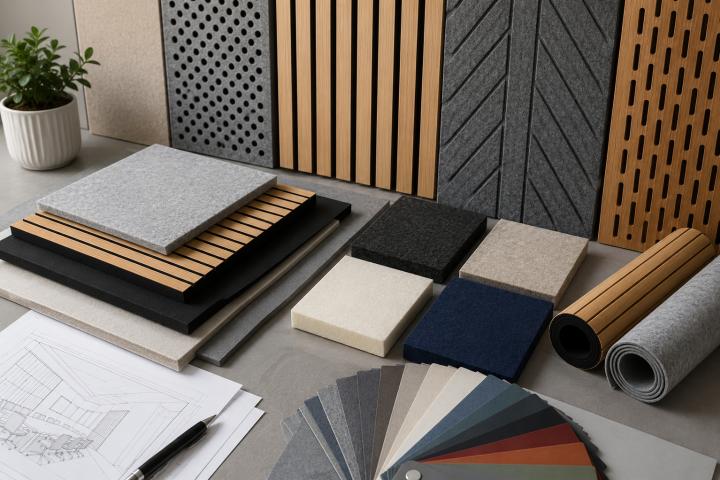
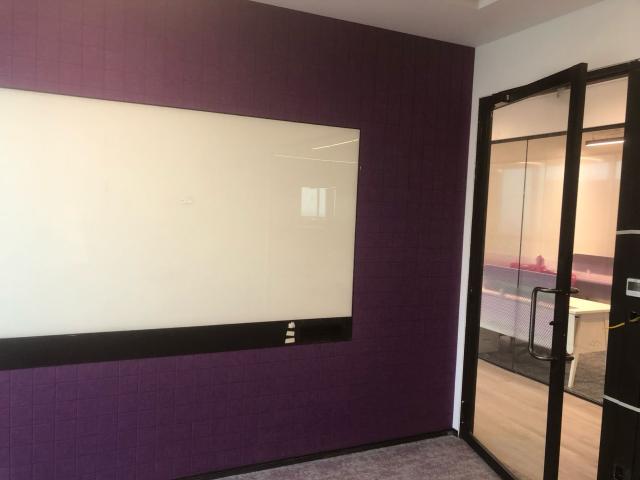
Design Innovation – Modern acoustic material doesn’t just work—it looks good, available in colors, textures, and patterns that enhance interiors.
Sustainability – Eco-friendly acoustic sheet material is made from recycled fibers, meeting green-building certifications.
The Human Impact
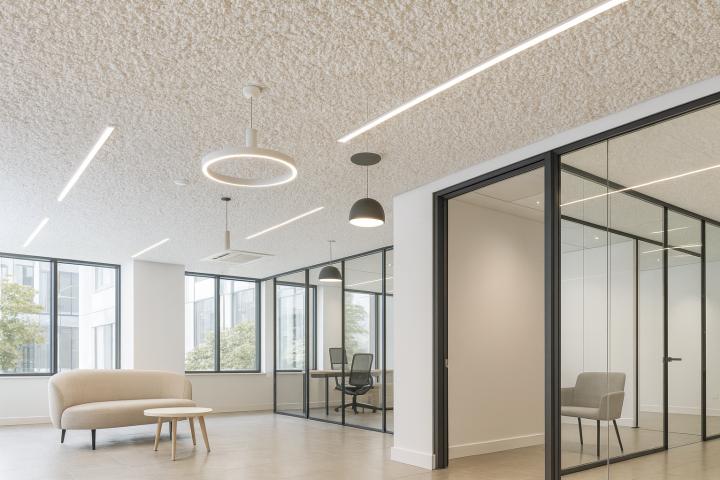
Consider an office that swapped harsh echoes for subtle acoustic panels. Employees reported fewer distractions, clearer communication, and improved morale. Or think of a restaurant that used acoustic treatment materials in the ceiling to cut reverberation—suddenly, diners could talk comfortably without raising their voices. These changes may seem small, but they transform how people experience a space.
Looking Ahead: Smarter, Sleeker, Quieter
The next generation of acoustic treatment materials is already here. From modular acoustic furniture to transparent panels that reduce noise without blocking light, innovation is expanding fast. The rise of acoustic sheet material in flexible, lightweight forms is opening doors for retrofits in older buildings, too. As cities grow louder and spaces become multipurpose, demand will only continue to rise.
Final Thoughts
Good design isn’t just about what you see—it’s about what you hear, too. By embracing acoustic treatment materials, architects and homeowners are shaping environments that feel calmer, clearer, and more connected. Whether it’s the adaptability of acoustic sheet material or the aesthetic appeal of modern wall panels, every form of acoustic material contributes to smarter, healthier spaces.
In a world where silence is rare, these innovations give us back control—proving that with the right solutions, noise can be managed, shaped, and even transformed into harmony.
Collaborate with Tranquil Global and redefine the way your interiors feel, look, and perform.
https://www.tranquilglobal.com/contact-us.html