Solar energy has moved from being an alternative option to becoming one of the most important energy solutions of our time. With power consumption increasing, electricity rates rising, and environmental concerns growing, understanding solar energy is no longer just for engineers or experts—it's something every household and business owner should be aware of.
This blog explains what solar energy is, why it matters, and how it can shape a more stable, cleaner future.
What Is Solar Energy?
Solar energy is electricity produced using sunlight. Solar panels absorb sunlight and convert it into power that can be used for lighting, appliances, and machinery. The system works silently, requires minimal maintenance, and can operate for years when installed properly.
Why Solar Awareness Matters
1. Electricity Costs Are Increasing
Most regions have seen steady rises in monthly electricity bills. Even small increases add up over years. Awareness about solar helps people understand that they can reduce long-term spending by producing their own power.
2. Energy Demand Is Growing
Homes use more devices than before—AC units, refrigerators, laptops, chargers, and more. Businesses also rely heavily on equipment and automation. Awareness encourages people to explore a stable and sustainable solution before energy shortages or grid issues become more common.
3. Solar Helps Reduce Pollution
Traditional power sources produce emissions. Solar power doesn’t. It contributes to cleaner air, healthier living spaces, and a smaller carbon footprint.
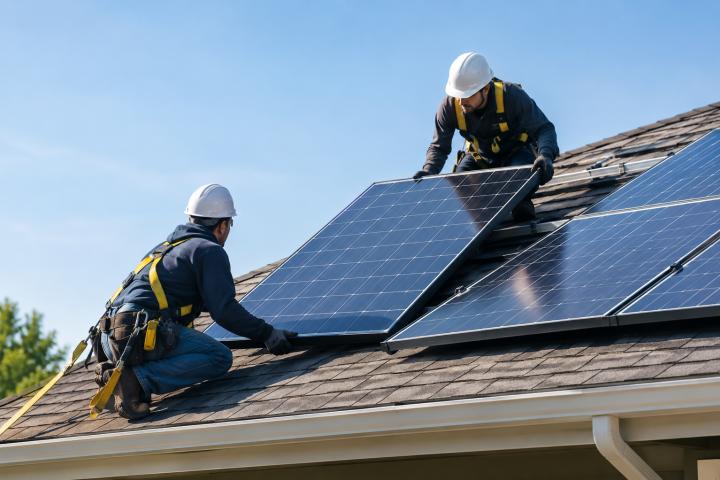
4. Rooftops Are Often Unused
Many homes, shops, schools, and commercial buildings have empty roofs. These spaces can generate solar power instead of remaining unused.
5. Low Maintenance Once Installed
Solar systems generally require minimal servicing. Basic checks and occasional cleaning are usually enough to keep them performing well.
Common Myths About Solar Energy
Myth 1: Solar Doesn’t Work on Cloudy Days
Solar systems can still generate energy in low light. While output may reduce, the system doesn’t stop working entirely.
Myth 2: Solar Panels Damage the Roof
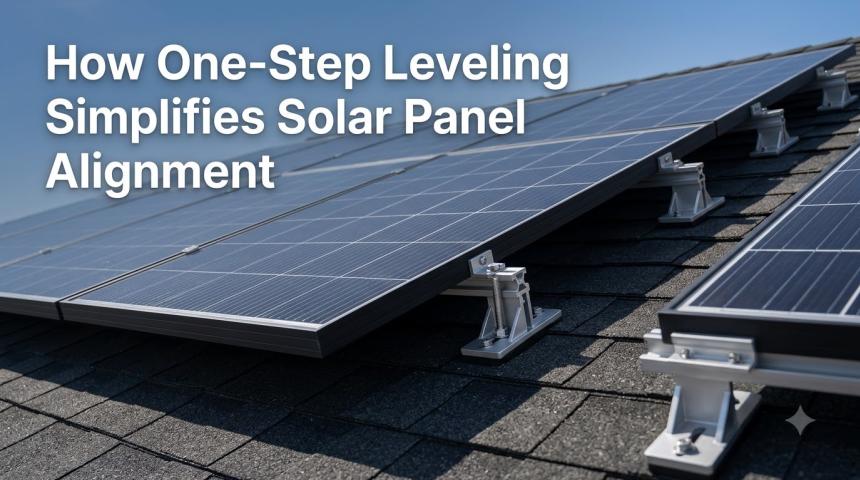
Panels are mounted with proper structures that protect, not harm, the roof—when installed correctly.
Myth 3: Solar Requires Frequent Maintenance
Routine inspections and simple cleaning are usually sufficient.
Myth 4: Solar Is Only for Big Houses
Even small rooftops can support solar panels. Many people start with small systems and expand later based on need.
Benefits of Adopting Solar Energy
1. Lower Electricity Bills
By producing your own energy, you depend less on the grid, which leads to long-term savings.
2. More Energy Independence
Solar gives houses and businesses more control over their power usage.
3. Stable Long-Term Investment
A solar system typically lasts for years with proper care, making it a steady investment.
4. Eco-Friendly Choice
Solar power helps build a cleaner and healthier environment.
5. Increases Property Value
Buildings with solar installations often gain added value because of reduced operating costs.
Who Should Consider Solar?
-
Homeowners wanting predictable electricity bills
-
Small businesses looking to reduce overhead costs
-
Shops, institutions, and offices with unused rooftops
-
Anyone who wants to contribute to cleaner energy
Solar is not limited to a particular group—it’s accessible to almost everyone who wants long-term energy stability.
How Awareness Helps Society
When more people understand solar energy:
Adoption increases
Communities become more energy secure
Pollution reduces
Future generations benefit from a cleaner environment
Awareness is the first step toward meaningful change.
Conclusion
Solar energy is more than a technology—it’s a pathway to a cleaner, more stable future. With rising electricity costs and environmental concerns, understanding solar power is an essential part of modern living. Becoming aware today can help individuals and communities make smarter choices for tomorrow.If you have any queries related to solar free feel to check our website electric-buy.com/Best Solar Company In Kerala