Food Retail Market Size
The global food retail market was valued at approximately USD 13.25 trillion in 2025 and is projected to reach nearly USD 23.78 trillion by 2035, expanding at a CAGR of around 6.02% during 2026–2035.
This steady growth is primarily supported by the rising dependence on structured retail systems, increasing global food consumption, and the rapid transformation in consumer buying behavior, especially the shift toward organized retail and digital grocery platforms.
What is the Food Retail Market?
The food retail market comprises both organized and unorganized channels that deliver food products directly to end consumers for personal consumption. It includes a wide range of retail formats such as supermarkets, hypermarkets, convenience stores, grocery outlets, online grocery platforms, and integrated omnichannel systems that combine physical and digital shopping experiences.
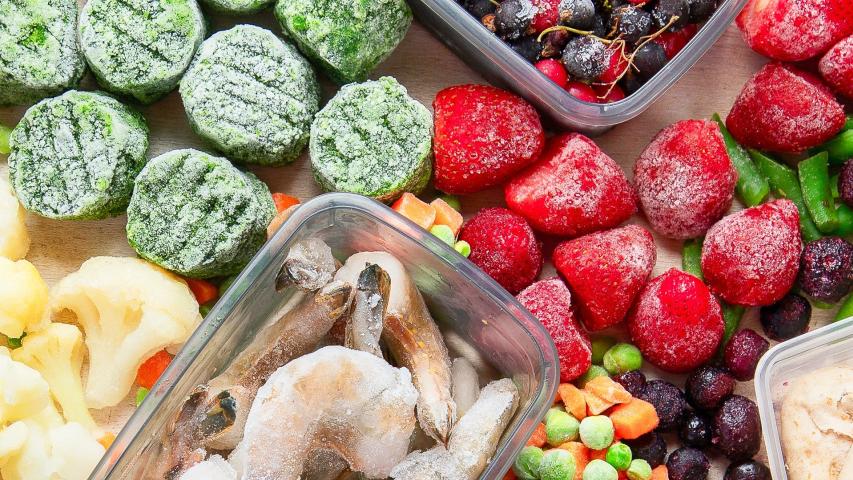
The market covers multiple food categories including fresh fruits and vegetables, dairy products, meat and seafood, packaged foods, beverages, frozen items, organic products, and ready-to-eat meals. Essentially, food retail acts as the final stage of the global food supply chain, linking manufacturers and producers with consumers while ensuring consistent access to safe, affordable, and quality food products.
Why is the Food Retail Market Important?
The food retail sector plays a crucial role in maintaining global food security and accessibility by ensuring continuous availability of essential food products. It adapts to changing dietary preferences, cultural trends, and growing demand for healthier and more sustainable food options.
Beyond consumer convenience, the industry is a significant contributor to economic growth, generating millions of jobs across retail operations, logistics, warehousing, supply chain management, and digital commerce. It also strengthens upstream industries such as agriculture, food processing, and packaging, making it a vital contributor to GDP across both developed and emerging economies.
Food Retail Market Growth Factors
The food retail market is experiencing strong expansion due to rapid urbanization, rising disposable incomes, and changing life>online grocery platforms, advancements in cold-chain logistics, and widespread adoption of smartphones and digital payment systems are reshaping consumer purchasing patterns.
Increasing demand for organic, healthy, and premium food products, along with aggressive expansion strategies by global retail chains and supportive government policies encouraging foreign direct investment in retail sectors, are further accelerating market growth.
👉 Free Sample Report: https://www.cervicornconsulting.com/sample/food-retail-market
Key Companies in the Food Retail Market
- Walmart – A global retail leader specializing in hypermarkets, supermarkets, and wholesale clubs. It focuses on low-cost leadership, supply chain optimization, omnichannel grocery services, and private-label expansion. With 2025 revenue exceeding USD 650+ billion, it maintains a dominant position in global organized food retail with a strong presence across North and South America.
- The Kroger Co. – One of the largest supermarket chains in the United States, focusing on fresh food retail, private labels, loyalty programs, and digital grocery platforms. It generates approximately USD 150+ billion in revenue (2025) and holds a major share in the U.S. grocery market.
- Amazon.com, Inc. (Amazon Fresh & Whole Foods Market) – A major player in online grocery and premium retail formats, focusing on AI-driven logistics, automation, and subscription-based grocery services. Its food retail segment contributes around USD 100+ billion in 2025 revenue and continues to expand globally.
- Tesco PLC – A leading UK-based supermarket chain focusing on private labels, sustainability, and digital transformation in grocery retail. It generates approximately USD 80–90+ billion in revenue (2025) and maintains strong dominance in the UK market.
- Carrefour S.A. – A major global retailer operating hypermarkets, supermarkets, and convenience stores with a strong focus on sustainability, private labels, and omnichannel grocery expansion. It reports USD 90–100+ billion in 2025 revenue and maintains a strong global footprint across Europe, Asia, and Latin America.
Leading Trends in the Food Retail Market
- Growth of Online Grocery Shopping: Rapid shift toward e-commerce platforms and home delivery services
- Expansion of Private Labels: Retailers are increasingly focusing on in-house brands to improve profit margins
- Rising Health & Wellness Demand: Growing consumer preference for organic, natural, and functional foods
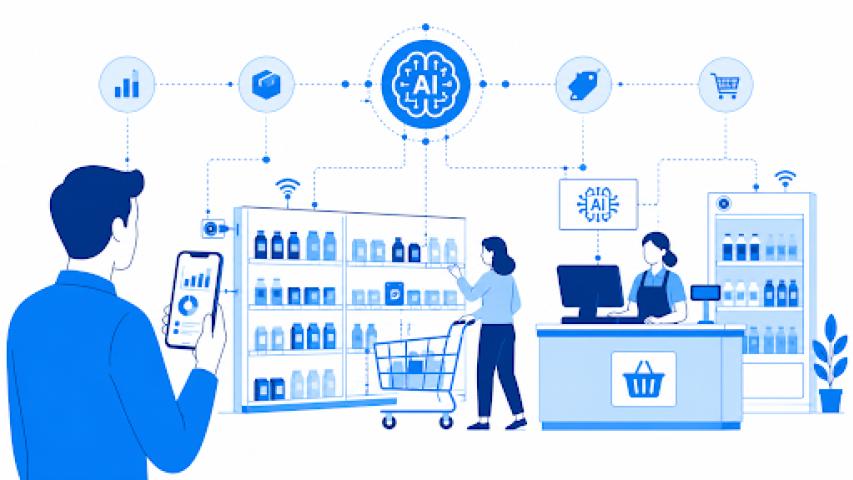
- AI and Automation Adoption: Use of smart forecasting, robotics, and automated supply chain systems
- Sustainability Initiatives: Focus on eco-friendly packaging, waste reduction, and ethical sourcing
- Quick Commerce Growth: Ultra-fast delivery models offering groceries within minutes
Successful Global Examples
- Walmart (USA): Strong omnichannel grocery model supported by advanced logistics and pricing strategy
- Tesco (UK): Uses Clubcard data analytics to enhance customer loyalty and personalization
- Carrefour (France): Successfully expanded across emerging international markets
- Amazon Fresh & Whole Foods (Global): Disrupted retail through AI-driven supply chain and digital-first grocery models
- DMart (India): Known for its cost-efficient, high-volume grocery retail model
Global Regional Analysis
- North America: Dominated by large retail chains such as Walmart and Kroger, supported by advanced logistics infrastructure and strong e-grocery adoption
- Europe: Highly regulated market focused on sustainability, food safety standards, and strong private-label penetration under EU policies
- Asia-Pacific: Fastest-growing region driven by urbanization, rising incomes, and rapid expansion of digital grocery platforms
- Latin America: Steady growth supported by modernization of retail infrastructure and trade liberalization
- Middle East & Africa: Emerging market driven by imports, urban development, and increasing focus on food security strategies
Additional Insights
For more detailed analysis and datasets:
👉 https://www.cervicornconsulting.com/contact-us