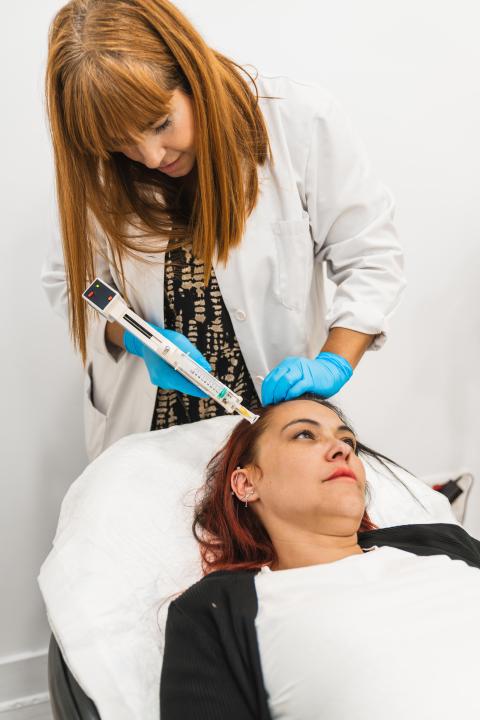

Hair loss affects millions of men and women worldwide, often impacting confidence, self-image, and overall well-being. Fortunately, advancements in hair restoration technology have made it possible to achieve natural-looking and long-lasting results through modern hair transplant procedures. Among the most popular techniques available today are Direct Hair Implantation (DHI) and Follicular Unit Extraction (FUE).
Both procedures are highly effective and widely used by leading hair restoration specialists. However, understanding the differences between DHI and FUE can help prospective patients make informed decisions about which treatment best suits their needs.
In this guide, we'll compare DHI and FUE hair transplants, exploring their procedures, benefits, recovery times, and ideal candidates to help you determine the right option for your hair restoration journey.
Understanding Hair Transplant Procedures
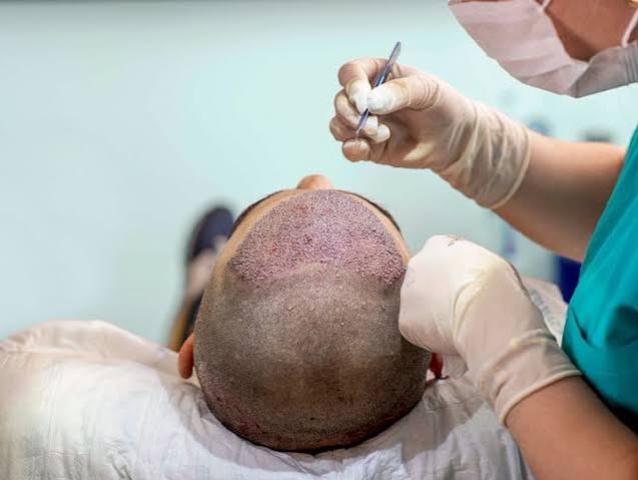
A hair transplant is a surgical procedure that involves relocating healthy hair follicles from a donor area—typically the back or sides of the scalp—to areas experiencing thinning or baldness.
The goal is to restore natural hair growth using the patient's own hair follicles. Because the transplanted follicles are resistant to hair loss, the results are generally permanent when performed correctly.
DHI and FUE share the same fundamental principle of extracting and transplanting hair follicles. The primary difference lies in the implantation technique.
What Is FUE Hair Transplant?
Follicular Unit Extraction (FUE) is one of the most commonly performed hair transplant techniques worldwide.
During an FUE procedure:
- Individual hair follicles are extracted from the donor area.
- Tiny recipient sites or channels are created in the treatment area.
- The extracted follicles are carefully implanted into these channels.
FUE is known for being minimally invasive and avoiding the linear scar associated with older FUT (Follicular Unit Transplantation) methods.
Benefits of FUE
- Minimally invasive procedure
- No large linear scar
- Suitable for various degrees of hair loss
- Faster healing compared to traditional techniques
- Natural-looking results when performed by experienced surgeons
- Ability to transplant a large number of grafts in a single session
Potential Considerations
- Channel creation and implantation occur as separate steps
- Results can vary depending on surgeon expertise
- Slightly longer graft handling time before implantation
What Is DHI Hair Transplant?
Direct Hair Implantation (DHI) is considered an advanced evolution of the FUE technique.
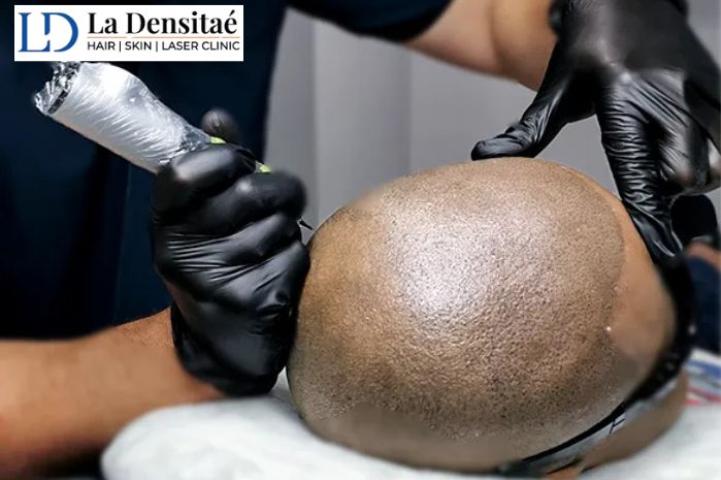
Like FUE, hair follicles are individually extracted from the donor area. However, instead of creating recipient channels beforehand, the follicles are implanted directly into the scalp using a specialized implantation tool known as a Choi Implanter Pen.
This allows extraction and implantation to occur with greater precision and control.
Benefits of DHI
- Direct implantation process
- Enhanced control over angle, direction, and depth
- Reduced handling of hair follicles
- Potentially higher graft survival rates
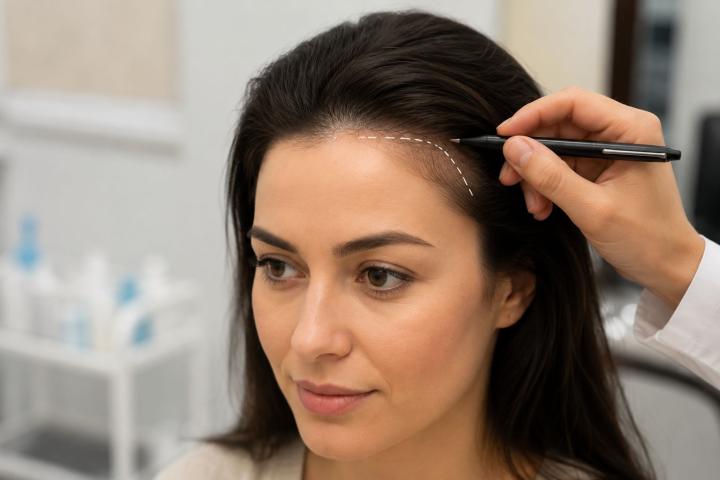
- Natural hairline design
- Minimal trauma to surrounding tissues
Potential Considerations
- Generally more time-intensive
- May be more expensive than standard FUE
- Best suited for patients requiring focused density improvements
Key Differences Between DHI and FUE
1. Implantation Technique
The biggest distinction between DHI and FUE is the implantation method.
FUE:
- Channels are created before implantation.
- Follicles are inserted into pre-made recipient sites.
DHI:
- Hair follicles are implanted directly using a Choi Implanter Pen.
- Channel creation and implantation happen simultaneously.
This allows DHI surgeons to achieve greater control during placement.
2. Precision and Density
DHI is often favored for patients seeking maximum density in smaller treatment areas.
Because each follicle is implanted individually with precise control, DHI can be particularly effective for:
- Hairline restoration
- Crown enhancement
- Filling localized thinning areas
FUE also delivers excellent density but may be preferred when larger areas require coverage.
3. Procedure Duration
DHI procedures generally take longer because implantation is highly meticulous.
FUE procedures may be completed more quickly when treating extensive baldness requiring thousands of grafts.
The exact duration depends on:
- Number of grafts
- Size of treatment area
- Surgeon experience
- Patient characteristics
4. Recovery Time
Both procedures offer relatively quick recovery periods.
Most patients experience:
- Mild redness
- Temporary swelling
- Small scabs around implanted follicles
Recovery timelines are often similar, with many individuals returning to work within a few days.
Patients can usually resume normal activities within one to two weeks, depending on their surgeon's advice.
5. Scarring
One of the major advantages of both DHI and FUE is minimal visible scarring.
Since follicles are extracted individually, patients avoid the linear scar associated with older strip-harvesting techniques.
This makes both procedures suitable for individuals who prefer shorter hair>
6. Cost Considerations
DHI is often more expensive due to:
- Specialized implantation tools
- Additional training requirements
- Greater procedural precision
- Longer treatment times
FUE generally offers a more cost-effective solution for patients requiring larger graft numbers.
However, pricing varies depending on:
- Clinic reputation
- Surgeon expertise
- Number of grafts needed
- Geographic location
Who Is a Good Candidate for FUE?
FUE may be ideal for individuals who:
- Have moderate to extensive hair loss
- Need a larger number of grafts
- Prefer a proven and widely established technique
- Want excellent results at a potentially lower cost
- Have adequate donor hair availability
FUE remains one of the most versatile hair restoration procedures available today.
Who Is a Good Candidate for DHI?
DHI may be suitable for patients who:
- Want enhanced precision and density
- Need hairline refinement
- Have localized thinning areas
- Prefer advanced implantation technology
- Are seeking highly natural-looking placement patterns
DHI is often chosen by patients focused on achieving maximum aesthetic refinement in targeted areas.
Which Procedure Produces More Natural Results?
Both DHI and FUE can produce exceptionally natural outcomes when performed by experienced hair restoration specialists.
Natural results depend on factors such as:
- Hairline design
- Graft placement
- Follicle survival rates
- Surgical expertise
- Post-operative care
Rather than focusing solely on the technique, patients should prioritize choosing a qualified clinic with a strong track record of successful outcomes.
What About Long-Term Results?
Both DHI and FUE offer permanent results because transplanted follicles are typically resistant to the hormonal factors responsible for pattern baldness.
Patients generally experience:
First Few Weeks
- Temporary shedding of transplanted hairs
3–4 Months
- New hair growth begins
6–9 Months
- Noticeable improvement in density
12–18 Months
- Full results become visible
Long-term success depends on proper aftercare and maintaining overall scalp health.
Factors to Consider Before Choosing
Before selecting a hair transplant method, patients should evaluate:
Hair Loss Pattern
The extent and location of hair loss can influence the most suitable technique.
Donor Hair Availability
A thorough assessment determines how many grafts can be safely harvested.
Desired Density
Patients seeking higher density in specific areas may benefit from DHI.
Budget
Treatment costs vary between techniques and clinics.
Surgeon Recommendation
An experienced hair restoration specialist can recommend the most appropriate approach based on individual goals and scalp characteristics.
Why a Professional Consultation Matters
Every hair restoration journey is unique. What works exceptionally well for one patient may not be the ideal solution for another.
A comprehensive consultation allows specialists to evaluate:
- Hair loss progression
- Donor area quality
- Scalp condition
- Medical history
- Aesthetic expectations
This personalized assessment helps determine whether DHI, FUE, or another treatment option is the best path forward.
Restore Your Confidence with the Right Hair Transplant Solution
Choosing between DHI and FUE is an important decision, but both procedures have helped countless individuals achieve fuller, natural-looking hair and renewed confidence. While DHI offers exceptional precision and density control, FUE remains a versatile and highly effective solution for a wide range of hair restoration needs.
The key is working with an experienced hair transplant team that can assess your unique situation and recommend the most suitable treatment plan. By understanding the strengths of both techniques, you can take the next step toward achieving lasting, natural-looking hair restoration results.