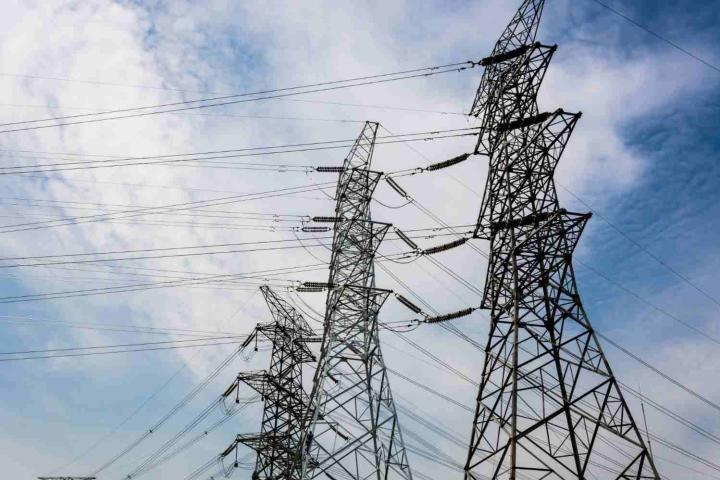
For businesses, electricity is more than an operational requirement—it is a significant component of overall operating costs. Manufacturing facilities, warehouses, hotels, hospitals, educational institutions, offices, retail spaces, and commercial buildings often consume substantial amounts of electricity throughout the day.
This is where Commercial and Industrial (C&I) rooftop solar can provide an effective approach to managing energy expenditure.
Unlike utility-scale solar plants, C&I rooftop systems generate electricity directly at or near the point of consumption. Businesses can use solar power produced on their premises to meet a portion of their electricity requirements, potentially reducing dependence on grid-supplied electricity and improving long-term energy planning.
The growing availability of solar technology, improved project execution capabilities, and increasing interest in clean energy are encouraging businesses to consider rooftop solar as part of their energy strategy.
For epc solar companies and solar epc companies, C&I rooftop projects also represent an important area of renewable-energy development. Successful projects require much more than installing photovoltaic modules. They involve site assessment, structural analysis, electrical design, equipment selection, grid connectivity, monitoring, safety, and commissioning.
What Is C&I Rooftop Solar?
C&I rooftop solar refers to solar photovoltaic systems installed on commercial and industrial properties.
Typical users include:
- Manufacturing plants
- Industrial facilities
- Warehouses
- Shopping centers
- Hotels
- Hospitals
- Educational institutions
- Corporate offices
- Cold-storage facilities
- Logistics centers
Solar panels installed on suitable rooftops convert sunlight into direct-current electricity. Inverters then convert this electricity into alternating current that can be used by the facility.
Depending on the project configuration, electricity can be consumed on-site, exported to the grid under applicable regulations, or combined with other energy-management solutions.
The fundamental concept is straightforward:
Sunlight → Solar PV Modules → Inverters → Electrical Distribution System → Facility Loads
This enables businesses to generate electricity closer to where it is consumed.
Why Businesses Are Considering Rooftop Solar
Energy costs can have a significant effect on business profitability, particularly for facilities operating during daylight hours.
A rooftop solar system can help businesses address several energy-related objectives.
1. Lower Grid Electricity Consumption
When solar generation coincides with facility demand, the business can use solar electricity directly instead of purchasing the equivalent amount from the grid, subject to system design and applicable regulations.
2. Better Energy Cost Planning
Solar projects typically involve a significant upfront investment followed by ongoing operating costs. This structure can help businesses evaluate their long-term electricity strategy.
3. Use of Existing Infrastructure
Rooftops that are already available at commercial or industrial properties can potentially be utilized for energy generation without requiring additional land for a separate solar plant.
4. Sustainability Goals
Businesses are increasingly incorporating renewable energy into their environmental and sustainability strategies.
5. Reduced Exposure to Conventional Electricity Sources
Generating a portion of electricity on-site can diversify a company's energy supply approach.
How C&I Rooftop Solar Can Optimize Energy Costs
The economic value of a rooftop solar project depends on multiple factors rather than simply the number of panels installed.
Matching Solar Generation With Consumption
One of the most important considerations is the relationship between a facility's electricity demand and solar generation.
For example, a manufacturing facility operating primarily during daylight hours may be able to consume a significant portion of its solar generation directly.
This can increase the value of on-site generation because electricity is being produced when the facility is already consuming power.
Businesses should therefore analyze:
- Hourly electricity consumption
- Operating schedules
- Seasonal demand
- Maximum demand
- Existing electricity tariffs
- Rooftop availability
- Solar resource
- Grid-export regulations
This analysis allows the system to be sized according to actual business requirements.
Site Assessment Is the First Step
A successful C&I rooftop project begins with a thorough site assessment.
Engineers typically examine:
- Available roof area
- Roof orientation
- Roof inclination
- Shading
- Structural strength
- Roof condition
- Access for installation
- Electrical infrastructure
- Existing transformers
- Cable routes
- Safety requirements
A rooftop may appear suitable from a visual inspection but still require structural reinforcement or other modifications.
Engineering teams must therefore assess whether the roof can safely accommodate the proposed solar installation.
Selecting the Right Solar System Design
The design of a C&I rooftop system should reflect the facility's energy requirements and physical characteristics.
Important design considerations include:
Solar Module Selection
Modules should be selected according to performance, efficiency, environmental conditions, warranties, and project requirements.
Inverter Configuration
Inverters convert DC electricity generated by solar modules into AC electricity suitable for facility consumption or grid connection.
Mounting Structures
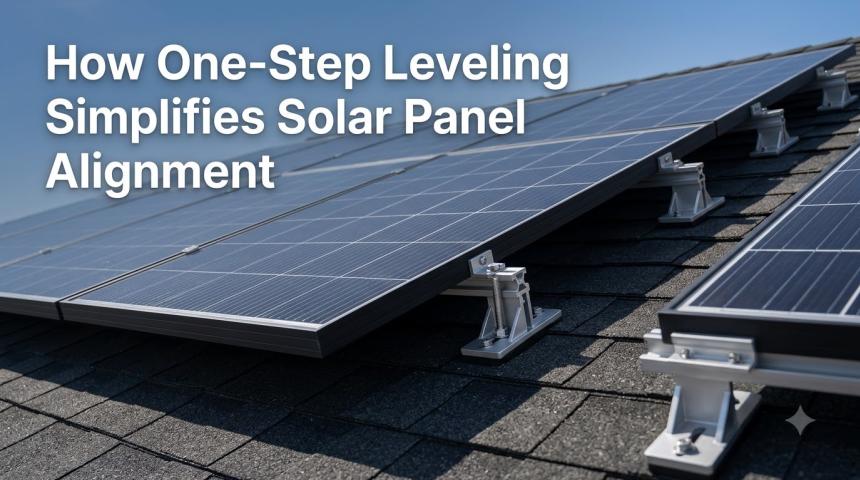
Mounting systems must be compatible with the roof type and designed to withstand relevant environmental loads.
Cabling
DC and AC cable systems must be appropriately sized and routed to minimize losses while maintaining safety.
Protection Systems
Electrical protection equipment helps protect people and equipment from abnormal operating conditions.
The Role of Electrical Infrastructure in Rooftop Solar
A rooftop solar system does not operate independently from a facility's electrical network.
The generated electricity must be integrated into the building's existing electrical infrastructure.
This may involve:
- Distribution panels
- Transformers
- Switchgear
- Protection systems
- Metering
- Communication systems
- Monitoring equipment
For larger C&I installations, electrical integration can become increasingly complex.
A medium voltage switchboard may be relevant where the solar system connects to a medium-voltage facility network.
Similarly, a medium voltage panel can provide switching, protection, and distribution functions in appropriate applications.
At lower voltage levels, low voltage switchboard manufacturers provide equipment used in facility distribution systems.
An lv switchgear panel can support circuit protection, switching, isolation, and distribution within suitable low-voltage applications.
This illustrates why businesses should evaluate rooftop solar as an integrated electrical project rather than simply a panel installation.
Protection and Control in C&I Solar Systems
Electrical protection becomes particularly important when a rooftop solar plant is connected to a facility's existing electrical network.
Protection and control systems may include:
- Protection relays
- Circuit breakers
- Isolators
- Control panels
- Metering
- Monitoring systems
A relay control panel can be used as part of protection and control infrastructure in appropriate electrical applications.
A control and relay panel can provide interfaces for protection, control, indication, and monitoring.
The requirements become more extensive when a C&I facility has its own substation or connects solar generation through higher-voltage infrastructure.
Specialized control relay panel manufacturers in india can support projects requiring customized protection and control solutions.
A control and relay panel in substation applications can coordinate protection and control functions associated with transformers, feeders, and other electrical equipment.
For relevant high-voltage installations, a 132 kv control relay panel may form part of the protection and control arrangement.
Packaged Substations for C&I Applications
Some commercial and industrial facilities require dedicated transformer and substation infrastructure.
A packaged transformer substation can provide a coordinated solution incorporating transformer and switchgear components within a suitable configuration.
Such systems may be considered for applications where space, installation requirements, and electrical integration need to be addressed together.
The appropriate configuration depends on the facility's voltage level, load requirements, transformer capacity, protection philosophy, and applicable standards.
SCADA and Digital Monitoring Improve Visibility
A major advantage of modern C&I solar systems is the ability to monitor performance digitally.
Businesses want to know:
- How much electricity the solar system is producing
- How much energy is being consumed
- Whether inverters are operating correctly
- Whether equipment has generated alarms
- How the system is performing over time
A scada system in power system applications can provide centralized monitoring and data acquisition for electrical assets.
A scada control system can provide operators with visibility into equipment status, measurements, alarms, and selected control functions depending on the system architecture.
A scada based system can integrate data from solar inverters, meters, transformers, switchgear, protection equipment, and other devices.
The growing use of scada in power systems supports more informed energy management and operational decision-making.
Energy Storage Can Complement Rooftop Solar
Solar generation is naturally limited to periods when sunlight is available.
Energy storage can help address the mismatch between solar generation and electricity demand.
For example:
Daytime: Solar generation increases → Facility consumes solar electricity → Excess generation can charge storage where applicable.
Evening: Solar generation decreases → Stored energy can potentially support selected loads.
Battery Energy Storage Systems can therefore complement rooftop solar in suitable applications.
Potential applications include:
- Peak-demand management
- Solar energy shifting
- Backup support
- Load management
- Energy arbitrage where permitted
- Improved renewable-energy utilization
The business case for storage depends on electricity tariffs, operating patterns, battery costs, regulations, and project objectives.
Choosing the Right EPC Partner
The selection of an EPC partner can significantly influence the execution of a C&I rooftop project.
Businesses should evaluate potential partners based on:
Technical Experience
Does the EPC company understand solar generation as well as electrical distribution and grid integration?
Project Track Record
Has the company delivered projects of similar scale and complexity?
Engineering Capability
Can the EPC team handle structural, electrical, protection, control, and monitoring requirements?
Quality Management
Are equipment and installation activities subject to defined quality checks?
Safety Standards
Does the company have appropriate procedures for electrical work, rooftop access, work at height, and construction activities?
Commissioning Expertise
Can the EPC partner manage testing, synchronization, protection checks, and final commissioning?
For businesses comparing epc companies in india, these factors can be more important than evaluating project cost alone.
Organizations evaluating top epc companies in india should consider the complete project lifecycle, including engineering, procurement, construction, commissioning, and technical support.
How Businesses Can Maximize Rooftop Solar Benefits
Installing solar capacity is only one part of optimizing energy costs.
Businesses can improve project value through several practices.
1. Analyze Historical Electricity Consumption
Review at least several months of electricity bills and, where available, interval-level consumption data.
2. Understand Facility Load Patterns
Determine when the facility consumes the most electricity and compare those periods with expected solar generation.
3. Optimize System Size
The largest possible rooftop system is not always the most economically appropriate system.
System sizing should consider energy consumption, roof capacity, grid regulations, export arrangements, and project economics.
4. Monitor Performance
Use digital monitoring to track generation and identify underperformance.
5. Maintain the System
Regular inspection and maintenance can help preserve system performance.
6. Consider Storage Where Appropriate
Businesses with suitable load profiles may evaluate battery storage alongside solar.
The Growing Role of Solar EPC Companies in C&I Projects
The C&I solar market is becoming increasingly sophisticated.
Businesses are no longer looking only for solar-panel installation. They require integrated energy solutions that can work with existing electrical infrastructure.
This creates a broader role for solar epc companies.
An experienced EPC provider may coordinate:
Site Assessment → Engineering → Procurement → Construction → Electrical Integration → Protection → SCADA → Testing → Commissioning
This integrated approach can reduce coordination challenges and create clearer project accountability.
For epc solar companies, C&I projects also provide an opportunity to combine renewable-energy expertise with power-system engineering.
The capabilities associated with top solar epc companies in india can therefore extend across rooftop solar, electrical infrastructure, substations, monitoring, and grid integration.
Future of C&I Rooftop Solar in India
The future of commercial and industrial rooftop solar is likely to involve greater integration between generation, storage, digital monitoring, and energy management.
Several developments are expected to influence the market:
- Higher solar adoption by businesses
- Greater use of battery storage
- Digital energy monitoring
- Smart energy-management systems
- Improved solar module technology
- Greater integration with existing electrical infrastructure
- Increasing focus on sustainability
- More sophisticated commercial energy strategies
Businesses will increasingly view solar not simply as an environmental initiative but as part of a broader energy-management strategy.
Power Your Business With Smarter Solar Solutions
C&I rooftop solar offers businesses an opportunity to generate clean electricity closer to the point of consumption while developing a more strategic approach to energy management.
However, successful implementation depends on careful planning, appropriate system sizing, high-quality equipment, electrical integration, protection, monitoring, safety, and professional project execution.
For organizations considering rooftop solar, working with an experienced EPC partner can help bring these elements together under a coordinated project framework.
Hartek Group brings experience across renewable energy, solar EPC, power systems, substations, and electrical infrastructure, supporting the growing requirements of India's clean-energy ecosystem.
As businesses look for practical ways to manage energy costs and strengthen their sustainability strategies, C&I rooftop solar can become an important component of their long-term energy roadmap.
The opportunity is not simply to install solar panels—it is to build an efficient, monitored, well-integrated on-site energy system designed around the needs of the business.