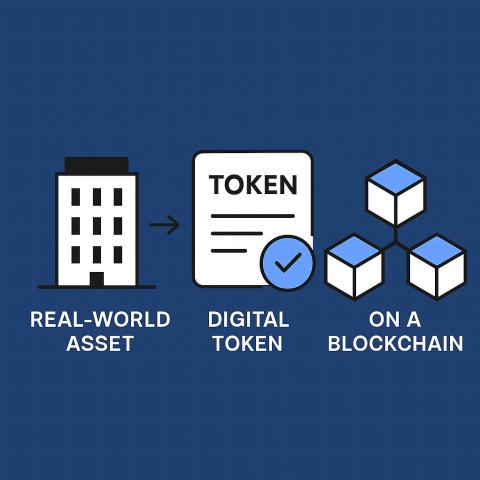
Fund tokenization is moving from concept to execution as financial institutions modernize how investment vehicles are structured, distributed, and traded. By converting fund units into blockchain-based digital securities, asset managers can redesign operational workflows, unlock liquidity, and expand investor access without altering the fundamental economics of pooled investments.
Rather than treating tokenization as a theoretical innovation, market participants are deploying it in practical, revenue-generating scenarios across public and private markets. Understanding these real-world use cases helps asset managers, fintech operators, and institutional investors evaluate where digital funds create measurable advantage.
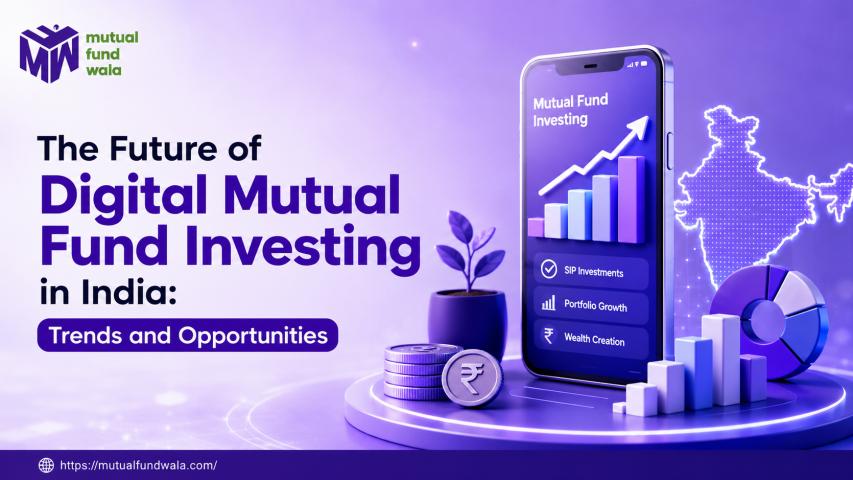
Tokenized Mutual Funds: Modernizing Retail Investment Access
Mutual funds remain one of the most widely used retail investment vehicles, but their infrastructure is often constrained by legacy systems.
Tokenization improves mutual fund mechanics by enabling:
Fractional Ownership at Scale
Digital tokens can represent highly granular fund units, allowing micro-investments and systematic investment plans with greater precision.
Faster Subscription and Redemption
Smart contract automation streamlines order processing, reducing administrative bottlenecks and minimizing settlement delays.
Lower Distribution Friction
Blockchain rails simplify cross-border participation, reducing dependency on layered intermediary networks.
For retail investors, the result is improved accessibility. For fund houses, it means operational efficiency and broader market reach.
Tokenized ETFs: Real-Time Market Efficiency
Exchange-Traded Funds (ETFs) are already considered efficient instruments, but tokenization introduces additional structural advantages.
Near-Instant Settlement
Blockchain-based clearing compresses traditional settlement cycles, reducing counterparty exposure.
24/7 Transferability
Unlike conventional exchanges with trading windows, tokenized ETF units can move continuously across compliant digital venues.
Programmable Ownership Rules
Issuer-defined transfer restrictions and compliance conditions are enforced automatically through smart contracts.
These features align ETFs with modern digital asset infrastructure while preserving index-tracking and liquidity characteristics.
Private Equity and Venture Funds: Unlocking Liquidity
Private market funds traditionally operate with long lock-in periods and limited secondary trading options. Tokenization addresses these structural constraints.
Secondary Market Enablement
Digital tokens allow controlled peer-to-peer transfers, creating regulated liquidity pathways for early investors.
Cap Table Simplification
Blockchain-based ownership records provide a unified, tamper-resistant registry of stakeholders.
Automated Distribution Waterfalls
Smart contracts can execute profit-sharing logic transparently, reducing manual accounting overhead.
This model is particularly valuable for venture funds and private equity vehicles seeking investor flexibility without compromising governance.
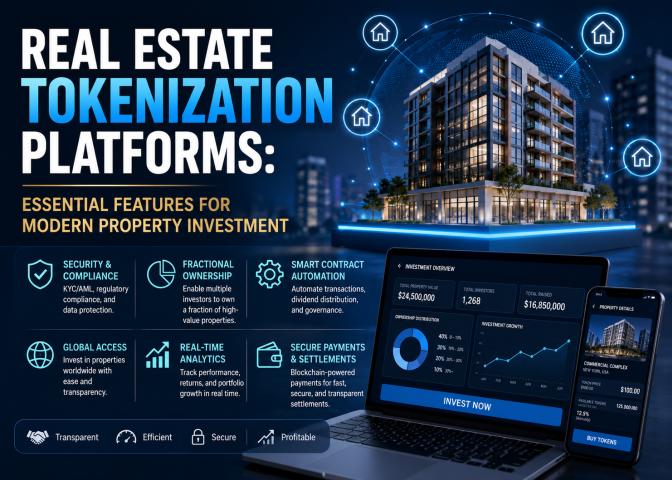
Real Estate Funds: Fractional Property Exposure
Property-backed funds benefit significantly from tokenization due to the high capital thresholds of real estate investing.
Granular Participation
Investors gain exposure to premium property portfolios without large ticket sizes.
Portfolio Diversification
Fractional tokens enable allocation across geographies and asset classes with minimal friction.
Transparent Asset Mapping
Blockchain ledgers create verifiable links between fund tokens and underlying real estate holdings.
Tokenized real estate funds bridge institutional property markets with digitally native investor bases.
Cross-Border Fund Distribution
Global fundraising is often slowed by regulatory fragmentation, currency barriers, and operational complexity.
Tokenization simplifies international participation through:
- Digital onboarding workflows
- Automated compliance screening
- Multi-currency settlement integrations
- Standardized digital documentation
This reduces reliance on localized intermediaries and expands addressable investor markets.
Institutional Treasury and Collateral Use
Tokenized fund units are increasingly viewed as programmable financial instruments rather than static holdings.
Emerging applications include:
Collateralization
Digital fund tokens can be pledged in structured financing arrangements with automated margin logic.
Treasury Allocation
Institutions can manage liquidity pools more dynamically through tokenized exposure.
Structured Product Integration
Programmable fund units enable innovative financial engineering for derivatives and yield products.
These use cases extend tokenization beyond distribution into capital efficiency strategies.
Why Use Cases Depend on Infrastructure
Successful deployment requires more than token issuance. Institutions need secure, compliant, and interoperable systems spanning:
- Investor identity verification
- Regulatory controls
- Custody and fund administration
- Reporting and audit trails
- Market connectivity
Without this foundation, tokenized funds remain pilots rather than production-grade financial products.
Platform Enablement for Digital Funds
Enterprise platforms are accelerating real-world adoption by packaging blockchain complexity into institutional workflows.
Solutions like Spydra support:
- Configurable fund token models
- Built-in compliance automation
- Investor lifecycle management
- Smart contract governance
- Integration with financial ecosystems
This enables asset managers to launch tokenized funds without building infrastructure from scratch.
Strategic Implications for Asset Managers
Tokenized fund use cases signal a structural evolution in capital markets:
- Distribution becomes digital-first
- Operations become programmable
- Liquidity becomes more flexible
- Investor access becomes global
Early adopters gain competitive differentiation through cost efficiency, faster fundraising cycles, and digitally native product offerings.
Conclusion
Fund tokenization is no longer limited to experimentation—it is being implemented across mutual funds, ETFs, private equity vehicles, and real asset portfolios. Each use case demonstrates how blockchain infrastructure enhances liquidity, accessibility, and operational performance while maintaining regulatory integrity.
As adoption accelerates, tokenized funds are positioned to become a standard wrapper for modern investment products, reshaping how capital is formed, managed, and distributed in global markets.