
You're cruising along the highway, the speedometer creeps past 60 mph, and suddenly the steering wheel starts to hum in your hands like it's trying to tell you something. Maybe it's a subtle buzz.
Maybe it's a full-on shimmy that makes your coffee cup dance in the cupholder. Either way, that feeling is your car's way of waving a red flag, and ignoring it rarely ends well.
Car vibrating at highway speeds is one of the most common complaints drivers bring up, and for good reason. It's unsettling, it can get worse fast, and it's often tied to something that affects how safely your vehicle handles the road.
The good news is that most causes are identifiable and fixable once you know what to look for.
Why Speed Makes Vibrations Worse
Vibration issues have a funny way of hiding at low speeds and showing up loud and clear once you hit highway velocity.
That's because many of the root causes are rotational: tires, wheels, and drivetrain components spin faster as speed increases, and any imbalance or defect becomes more pronounced with every rotation.
A wobble that's barely noticeable at 30 mph can turn into a noticeable shake by the time you're doing 65 or 70.
Understanding this relationship is the first step in vehicle vibration diagnosis. Rather than guessing, it helps to work through the most common culprits systematically, and to pay attention to exactly when the vibration shows up.
Unbalanced Tires and Wheels
Among the most common causes of a highway-speed vibration is a tire or wheel that's out of balance. Every tire has small weights attached during installation to offset variations in weight distribution around the wheel.
Over time, these weights can fall off, or a tire's internal structure can wear unevenly, throwing that balance off.
Unbalanced tires symptoms typically include a vibration felt primarily in the steering wheel, if the front tires are affected, or in the seat and floor, if it's the rear tires. The vibration tends to intensify within a specific speed range, often between 50 and 70 mph, and may fade at higher or lower speeds. A bent wheel rim or a tire with internal belt separation can produce a similar pattern, which is why a proper inspection matters more than guessing.
A routine wheel balancing service usually resolves simple imbalance quickly, and it's one of the first things a good tire car service will check before moving on to costlier possibilities.
It's an affordable fix, which is exactly why it's worth ruling out first before assuming something more serious is going on.
Where Alignment Fits In
Alignment gets brought up constantly in vibration conversations, but it's worth being precise about what it actually causes. Wheel alignment problems more directly produce a car that pulls to one side, a steering wheel that isn't centered when driving straight, and uneven tread wear across a tire's surface.
Where alignment connects to vibration is indirect: misalignment accelerates irregular tire wear, and a tire with uneven wear patterns can itself become a source of tire vibration at highway speeds.
So while poor alignment isn't usually the direct cause of a shake on its own, it's often the reason a tire wore unevenly in the first place.
That's why a steering wheel vibration at high speed often gets an alignment check alongside a balance check, since technicians look at both when diagnosing the same symptom.
Suspension System Issues
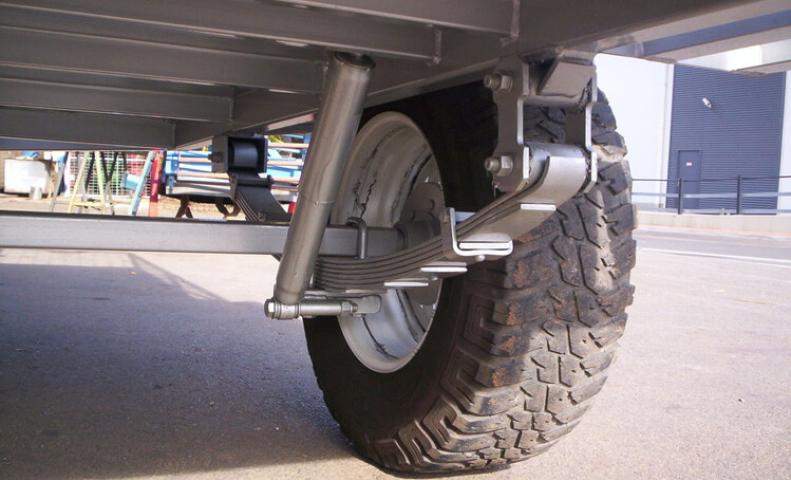
Your suspension does a lot of quiet, unglamorous work: absorbing bumps, keeping tires planted, and making sure the ride feels smooth instead of jittery. When suspension components wear out, that quiet work gets a lot louder.
Suspension system issues can produce vibrations that feel different from tire-related shakes; they're often described as a bouncier, looser sensation rather than a tight, buzzy one.
Worn suspension components, including struts, shocks, ball joints, and tie rod ends, tend to fail gradually, so the vibration may start subtle and build over weeks or months.
A loose or worn wheel bearing can produce a similar low-frequency shake that changes with speed and cornering, which is another reason a proper diagnostic matters rather than assuming it's automatically a tire issue.
Brake Rotor Vibration: A Different Kind of Symptom
Brake-related vibration deserves its own category because it behaves differently from the causes above. Brake rotor vibration is primarily associated with the act of braking itself, typically felt as a pulsing in the brake pedal or a shudder through the steering wheel when slowing down.
If your car vibrates consistently at highway speed without you touching the brakes at all, brake rotors are usually not the culprit; tires, wheels, suspension, steering, or drivetrain components are the more relevant suspects in that case.
What drivers commonly call "warped rotors" is often more accurately described as excessive rotor runout, disc thickness variation, or uneven friction material deposits building up on the rotor surface.
This condition is sometimes referred to as brake shudder, and it tends to develop from aggressive or prolonged braking, towing, or repeated stop-and-go driving that heats the rotors unevenly over time.
Drivetrain Vibration Causes
For vehicles with rear-wheel or all-wheel drive, the driveshaft and universal joints are another area worth checking.
Drivetrain vibration causes include a bent driveshaft, worn U-joints, or an imbalanced driveshaft, and this type of vibration tends to increase in direct proportion to speed rather than appearing only within one specific range, which is a useful clue when narrowing down the source.
Reading the Clues Before You Diagnose
A few details can help narrow things down before a vehicle ever reaches a lift. Where the vibration is felt matters: steering wheel shake usually points to the front tires, wheels, or steering components, while a vibration felt more in the seat or floor often points toward the rear tires, driveshaft, or drivetrain.
When it happens matters too: a vibration tied specifically to braking points toward brake rotors, while one that's constant regardless of braking points elsewhere.
And how it changes with speed matters: a vibration confined to one speed range often suggests imbalance, while one that grows steadily with speed often suggests a drivetrain or suspension issue.
When to Get It Checked
If a vibration is new, worsening, or paired with other symptoms like pulling, unusual noise, or uneven tire wear, it's a good idea to schedule a vehicle inspection service sooner rather than later.
Catching these issues early usually means a simpler, less expensive repair, while letting them go often means accelerated wear on tires, suspension, and steering components that wouldn't otherwise have been affected. Booking with a reliable auto repair service as soon as symptoms appear is generally the fastest way to a lasting fix.
Tire and auto repair work often overlaps here, since a vibration rarely has just one cause. A shop equipped for both tire service and broader mechanical diagnostics, along with full steering and suspension repair capability, can trace the issue back to its actual source rather than treating only the symptom in front of them.
Car Vibrating at Highway Speeds? Get It Checked Before It Gets Worse
A vibrating car at highway speeds is never something to shrug off. What starts as a mild annoyance can be an early signal of a developing safety issue, and the earlier it's diagnosed, the simpler the fix tends to be.
If your steering wheel has been humming or something just feels a little off above 55 mph, getting it looked at now, rather than waiting, is the difference between a quick fix and a much bigger repair bill down the road.
A quick visit to your local westside tire and automotive shop for a full diagnostic check is the smartest next step toward smooth, confident driving on every highway mile ahead.