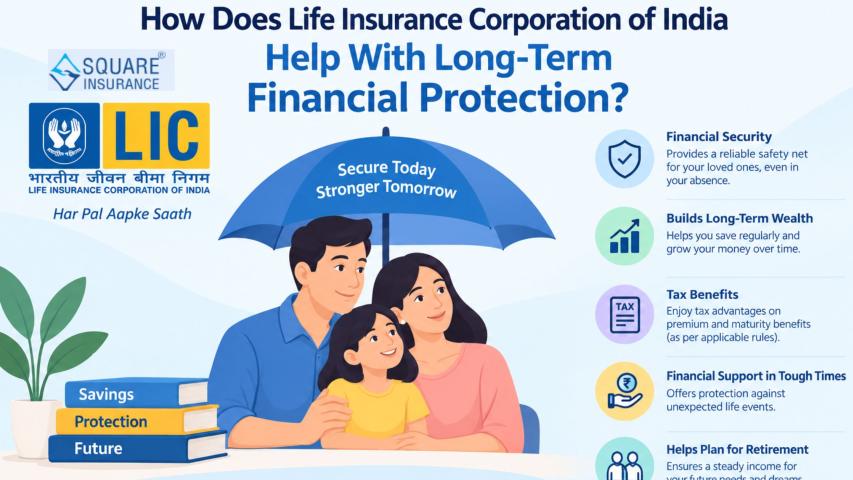
Long-term financial protection is about preparing for responsibilities that may continue for many years. Family expenses, children's education, outstanding loans, retirement needs, and unexpected financial challenges can all influence how a person plans for the future. Life insurance can form one part of this broader financial planning approach by providing financial protection according to the terms of the selected policy.
The Life Insurance Corporation of India offers various life insurance products designed for different financial requirements. However, the suitability of any policy depends on factors such as the individual's income, age, financial responsibilities, coverage requirements, policy term, and long-term objectives. Understanding these factors before purchasing a policy can help people make more informed decisions.
Provides Financial Support for Dependants
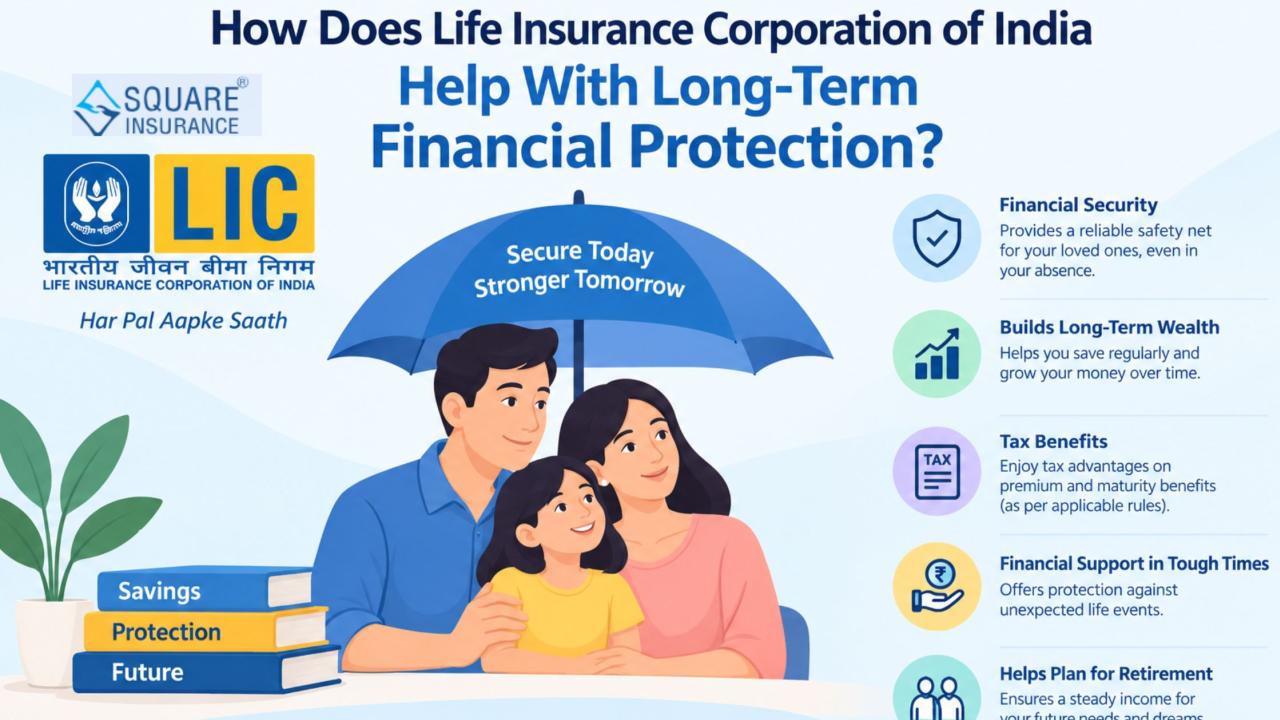
One of the primary purposes of life insurance is to provide financial support to dependants if the policyholder dies during the applicable coverage period. For a family that relies on one or more sources of income, the loss of an earning member can create significant financial pressure.
A suitable life insurance policy can provide a death benefit to the nominee or beneficiaries according to the policy terms. This money may help the family manage household expenses, education costs, outstanding financial obligations, or other important requirements.
The amount of protection needed varies from person to person. Therefore, coverage should be considered in relation to the family's actual financial responsibilities rather than selected only on the basis of premium affordability.
Supports Long-Term Financial Planning
Financial planning often involves goals that extend over several years. Life insurance products may combine protection with savings or other features, depending on the type of plan selected.
For example, certain policies may provide benefits at maturity if the policy remains in force and applicable conditions are satisfied. Such features can be relevant for individuals planning specific long-term financial objectives.
However, policyholders should understand the difference between guaranteed benefits, non-guaranteed benefits, bonuses, and other applicable components before making a purchase. The official policy document should be used to understand the exact terms.
Helps Create Financial Discipline
Long-term goals can be difficult to maintain without a structured approach to saving. Depending on the policy selected, regular premium payments can encourage policyholders to maintain a planned financial commitment over an extended period.
A person may choose a premium payment schedule that fits their income pattern. Before committing to a policy, it is important to ensure that the premium remains affordable throughout the relevant payment period.
Missing premiums or discontinuing a policy may have consequences depending on its terms. Therefore, financial discipline and careful budgeting are important when purchasing long-term insurance.
Can Help Address Future Financial Responsibilities
Financial responsibilities often increase or change over time. A person may have children's education expenses, home loans, family commitments, or retirement requirements to consider.
Life insurance can be included as one component of a broader financial strategy to address these responsibilities. The appropriate product will depend on the specific objective. A policy designed primarily for protection may serve a different purpose from one that includes savings or maturity-related benefits.
This is why understanding the purpose of a policy before purchasing it is more important than simply selecting a plan based on its name or advertised features.
Offers Different Policy Options
Different individuals have different financial requirements, so a single type of life insurance product may not suit everyone. The Life Insurance Corporation of India offers multiple categories of life insurance products, subject to its current product portfolio and applicable terms.
Depending on the product, features may include life protection, maturity benefits, savings components, pension-related benefits, or other policy-specific features.
Before selecting a plan, customers should compare the policy term, premium payment period, coverage, benefits, exclusions, eligibility requirements, and other conditions. This helps ensure that the selected product is aligned with the intended financial objective.
Supports Policy Management Over Time
Long-term financial protection does not end after purchasing a policy. Policyholders need to keep their information updated, monitor premium payments, maintain relevant documents, and understand important policy-related communications.
Digital services can make some routine policy-management activities more convenient. Depending on the available service and policy type, customers may be able to access certain policy information or perform selected servicing activities online.
Keeping policy records organised is particularly important when a person has multiple insurance policies. Maintaining accurate nominee information and ensuring that important documents are accessible can also make future servicing easier.
Helps Families Prepare for Uncertainty
Financial planning cannot eliminate uncertainty, but appropriate insurance protection can help families prepare for certain financial risks. If a policyholder dies during the applicable coverage period, the policy's death benefit may provide financial support to the nominee, subject to the policy terms and claim requirements.
This can be particularly relevant for families with long-term financial commitments. The benefit may help reduce the immediate financial burden created by the loss of an earning member.
At the same time, life insurance should not be viewed as a replacement for emergency savings, investments, health insurance, or other forms of financial planning. Each serves a different purpose.
Review Your Coverage as Your Needs Change
Financial requirements can change significantly over the years. Marriage, children, home loans, career changes, increased income, or changing family responsibilities may affect the amount of financial protection required.
Policyholders should periodically review their overall financial position and existing insurance coverage. If additional protection is required, they can explore suitable options based on their current circumstances.
It is also important to understand that purchasing a new policy or changing an existing arrangement may involve specific eligibility, underwriting, and policy conditions.
Use Official Information Before Purchasing
Before selecting a Life Insurance Corporation of India policy, carefully review the official product information and policy document. Pay attention to the premium, policy term, coverage, benefits, exclusions, payment requirements, surrender-related conditions, and applicable charges.
Do not make a decision based only on promotional information or assumptions about future returns. The exact benefits depend on the individual product and its contractual terms.
For readers researching insurance concepts, square insurance can also provide educational information about life insurance, policy management, and broader insurance-related topics. For final product details, customers should rely on the applicable official documents and authorised sources.
Related Blog: You can also read our related blog "Life Insurance GST Rate in India" to learn more about Life Insurance Corporation of India policies, online services, premium management, and long-term financial planning.
Frequently Asked Questions
How can life insurance support long-term financial protection?
Life insurance can provide financial support to nominees according to the policy terms and may also offer maturity or other benefits depending on the selected product.
Is life insurance enough for complete financial planning?
No. Life insurance is one component of financial planning. Emergency savings, health insurance, retirement planning, and investments may address different financial needs.
Should life insurance coverage be reviewed over time?
Yes. Major changes in income, family responsibilities, loans, or financial goals may affect the level of protection a person requires.
What should I check before buying a policy?
Review the coverage, premium, policy term, payment period, benefits, exclusions, eligibility requirements, and other conditions in the official policy documents.
Conclusion
The Life Insurance Corporation of India can form part of a long-term financial protection strategy by offering life insurance products designed around different financial objectives. The value of a policy depends on how well its coverage and conditions match the policyholder's circumstances.
Before purchasing, consider your family's financial responsibilities, required protection, affordability, policy duration, and long-term goals. Most importantly, read the official policy documents carefully and understand the applicable terms before making a commitment.