
The insurance sector in India offers several opportunities for people who want to build a career in financial services without making a large initial investment. With digital platforms making policy selection and distribution more accessible, individuals can explore insurance-related work alongside their existing responsibilities. Online registration has also simplified the process of entering this field.
Pos insurance is a convenient option for individuals interested in becoming insurance sellers through a simplified training and authorisation process. A Point of Sales Person (POSP) can help customers understand suitable insurance products, compare available coverage options, and complete policy purchases through an authorised insurance intermediary. Understanding the registration process, eligibility requirements, and responsibilities can help beginners take their first step with greater confidence.
What Is Online POS Insurance Registration?
Online POS insurance registration is the process of applying to become a Point of Sales Person through a digital platform or an authorised insurance intermediary. Instead of relying entirely on physical paperwork and in-person visits, applicants may be able to submit their details, upload documents, complete training, and follow the onboarding process online.
A POSP generally works with approved insurance products, such as motor, health, and other eligible general insurance policies, depending on the authorisation and product offerings of the intermediary. The role focuses on helping customers understand their insurance needs and purchase suitable policies.
However, submitting an online application does not automatically authorise someone to sell insurance. Applicants must meet the applicable eligibility criteria and complete the prescribed training, assessment, documentation, and appointment requirements.
Eligibility Criteria for POS Insurance Registration
Before beginning the registration process, check whether you meet the basic requirements. Eligibility and onboarding conditions should be confirmed with the insurance intermediary you choose.
Common requirements include:
Minimum age: Applicants generally need to be at least 18 years old.
Educational qualification: POSP applicants typically need to have completed at least Class 10 or an equivalent qualification, subject to applicable requirements.
Identity proof: Aadhaar, PAN, or other accepted documents may be requested.
Address proof: Applicants may need to provide an accepted document confirming their address.
Bank details: Bank account information may be required for eligible commission payments.
Training and assessment: Applicants must complete the prescribed insurance training and assessment.
Authorisation: The applicant must complete the required onboarding and appointment formalities before conducting authorised insurance sales.
Keep your documents accurate and ensure that the information submitted across the application and supporting records is consistent.
Step-by-Step Process for Online POS Insurance Registration
Getting started becomes easier when the registration process is divided into manageable steps. The exact procedure may differ between insurance intermediaries.
Step 1: Choose an Authorised Insurance Intermediary
Begin by identifying an insurance intermediary that offers a POSP onboarding programme. Review the organisation's product range, training support, commission structure, customer assistance, and digital facilities.
Square Insurance is one option to explore when researching insurance distribution opportunities. Before applying, understand the programme's eligibility criteria, terms, and onboarding requirements.
Step 2: Complete the Online Application
Once you select a suitable platform, locate its POSP registration or onboarding facility. Enter the requested personal information, contact details, educational qualifications, and other required information.
Read each field carefully before submitting the form. An incorrect phone number, spelling error, or incomplete entry could delay verification. Use an active mobile number and email address so you can receive application updates.
Step 3: Upload the Required Documents
The next stage generally involves submitting identity, address, educational, and other documents requested by the intermediary. PAN and bank details may also be required, depending on the onboarding process.
Upload clear, readable copies in the accepted file format. Check that the information matches your application and that the documents are valid. Never share sensitive information through an unverified link or with an unauthorised person.
Step 4: Complete the Prescribed Training
Training helps new POSPs understand the fundamentals of insurance distribution. It may cover insurance terminology, policy features, customer requirements, documentation, regulatory responsibilities, and ethical selling practices.
Applicants should pay particular attention to policy exclusions, waiting periods where applicable, coverage limits, and claim-related conditions. These concepts help you explain products accurately instead of relying only on premium amounts.
Step 5: Pass the Required Assessment
After completing the prescribed training, applicants may need to take an assessment to demonstrate their understanding of insurance basics and sales responsibilities.
Prepare by reviewing the training material, understanding important insurance terms, and practising scenario-based questions. Follow the intermediary's instructions regarding assessment completion and any additional requirements.
Step 6: Complete Verification and Onboarding
The intermediary may verify your identity, qualifications, documents, and application details. If any information is missing, respond promptly to requests for clarification or correction.
Once the necessary formalities are completed and the intermediary confirms your appointment or authorisation, you can begin the activities permitted under the programme. Confirm your authorisation status before selling insurance policies.
Step 7: Learn to Use the Digital Platform
After onboarding, familiarise yourself with the available tools for viewing eligible products, generating quotations, submitting proposals, tracking applications, and assisting customers.
Learn how to explain policy terms and where to find support when a customer has questions. Knowing how the platform works can help you provide a smoother experience and avoid mistakes during transactions.
Benefits of Registering for POS Insurance Online
Digital registration offers several practical advantages for aspiring insurance professionals.
Convenient application process: Applicants may complete multiple onboarding steps remotely, reducing the need for repeated office visits.
Flexible career opportunities: Depending on the intermediary's terms, POSP work may suit students, working professionals, entrepreneurs, and individuals looking for an additional source of income.
Structured learning: Prescribed training introduces beginners to insurance products, customer service, and responsible selling practices.
Access to digital tools: Approved platforms may provide quotation facilities, product information, proposal submission, and policy-related support.
Customer-focused work: POSPs can help customers understand insurance options and make informed decisions based on their needs and budgets.
These benefits depend on the intermediary's facilities and the individual's ability to learn, communicate effectively, and build customer relationships.
Common Mistakes to Avoid During Registration
A smooth application depends on accuracy and careful preparation. Avoid the following mistakes:
Submitting incomplete documents: Missing or unclear files may delay verification.
Ignoring eligibility conditions: Check the requirements before starting the application.
Choosing a platform without research: Review the intermediary's legitimacy, terms, training, and support facilities.
Rushing through training: A weak understanding of policy conditions can lead to incorrect customer guidance.
Assuming registration guarantees income: Earnings depend on successful eligible sales, commission terms, customer demand, and other factors.
Sharing information carelessly: Protect your identity documents, banking details, passwords, and verification codes.
Making unsupported promises: Never guarantee claim approval, investment returns, or benefits that are not stated in the policy.
Taking time to verify details at every stage can help prevent avoidable problems.
How to Succeed After Becoming a POSP
Registration is only the beginning. Long-term progress depends on developing the right professional habits and maintaining customer trust.
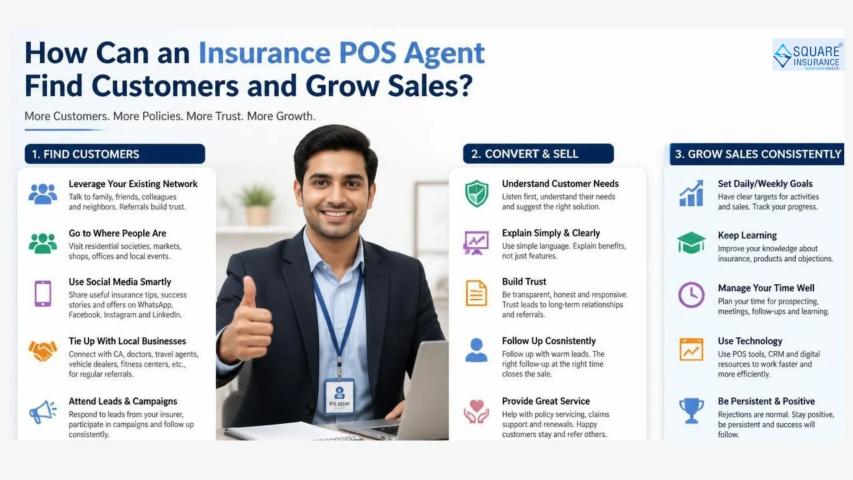
Start by learning the products available under your authorisation. Understand the differences between coverage options and explain important conditions in simple language. Ask customers about their needs before recommending a policy, and avoid suggesting products solely because they offer a higher commission.
Build relationships through timely communication and honest guidance. Help customers understand renewal dates, policy documents, and the appropriate channels for claims assistance. Keep your product knowledge updated and use only approved sales tools.
You should also maintain accurate records and follow the intermediary's procedures for handling customer information. Consistent service and transparent communication can support repeat business and referrals over time.
Conclusion
Online POS insurance registration provides a practical entry point for individuals interested in exploring insurance distribution in India. By checking eligibility, selecting an authorised intermediary, submitting accurate documents, completing the prescribed training, and obtaining the necessary authorisation, applicants can prepare for the role systematically.
For beginners exploring this opportunity, Square Insurance can be considered while comparing available POSP programmes and their onboarding support. Review the applicable terms, understand your responsibilities, and focus on helping customers choose suitable coverage. A strong foundation in insurance knowledge, ethical selling, and customer service can help you develop a more sustainable career in the insurance sector.
Frequently Asked Questions
Q1. What is POS insurance registration?
POS insurance registration is the process of applying to become a Point of Sales Person who can distribute eligible insurance products through an authorised insurance intermediary after meeting the required conditions.
Q2. Who can apply for online POS insurance registration?
Individuals who meet the applicable age, educational, documentation, training, and authorisation requirements can apply. Confirm the exact criteria with the intermediary.
Q3. What documents are required for POSP registration?
Commonly requested documents include identity proof, address proof, educational qualification details, PAN, and bank information. The exact list may vary.
Q4. Can I register as a POSP online?
Many insurance intermediaries offer digital onboarding facilities. The process may include an online application, document verification, prescribed training, assessment, and final authorisation.
Q5. Is POSP training compulsory?
Applicants must complete the training and assessment requirements applicable to their POSP appointment before undertaking authorised insurance sales.