In today's fast-paced world, managing noise pollution has become more critical than ever. Whether it's in a corporate office, a bustling restaurant, a school, or even in the comfort of your home, noise can significantly affect productivity, well-being, and overall quality of life. This is where Why Acoustic Solutions Are Essential Sound control isn't just a matter of comfort—it's a necessity. Excessive noise levels in indoor environments can lead to reduced concentration, stress, and even long-term health issues. For businesses, especially in open-plan offices or customer-facing environments like cafes and retail stores, poor acoustics can directly impact customer satisfaction and employee performance. Traditionally, noise control solutions were bulky and aesthetically unpleasing. Today, however, design and functionality go hand in hand. Enter Wood Acoustic Paneling—a revolutionary product that not only absorbs sound but also enhances the visual appeal of interiors. Acoustic Wood Panels are specially designed panels made from natural wood and engineered with sound-absorbing materials. These panels work by absorbing unwanted sound waves, reducing echo, and controlling reverberation within a space. They are typically installed on walls and ceilings and come in various textures, colors, finishes, and perforation patterns to suit different design needs. Unlike conventional acoustic materials that often look industrial or plain, Wooden Acoustic Panels offer a rich, warm, and elegant finish, making them a favorite among architects, interior designers, and acoustic consultants alike. The science behind Wood Acoustic Paneling lies in its layered construction and design. The outer wood veneer offers a decorative surface, while the inner core—often made of high-density MDF, PET, or fiberglass—traps sound waves. Many Wooden Acoustic Panels also feature perforations or grooves on the surface, which help break down sound energy and direct it inward for absorption. Additionally, these panels often include a backing layer made from sound-absorbing fabrics or mineral wool to enhance performance. Together, these components create a powerful solution that combines acoustical efficiency with aesthetic appeal. Here are some compelling reasons why Acoustic Wood Panels are quickly becoming the go-to solution for modern acoustic design: At the core of these panels is their ability to significantly reduce ambient noise levels. Whether it’s reducing office chatter, minimizing echo in a restaurant, or improving speech clarity in a classroom, Wood Acoustic Paneling ensures better acoustic performance across different environments. One of the most attractive features of Wooden Acoustic Panels is their design flexibility. Available in a wide range of finishes—from natural oak and walnut to painted or stained options—these panels can be customized to fit contemporary, rustic, industrial, or traditional themes. Many Acoustic Wood Panels are made from FSC-certified wood and recyclable acoustic materials. This makes them an environmentally responsible choice for green buildings and LEED-certified projects. The natural materials used also contribute to healthier indoor air quality. Unlike fabric-based acoustic solutions that can fade or sag over time, Wood Acoustic Paneling is durable and easy to maintain. The surface can be wiped clean and retains its aesthetic appeal for years. Modern Wooden Acoustic Panels are designed for quick and straightforward installation. They can be mounted using clips, adhesive systems, or suspension frames, making them suitable for both new constructions and retrofits. The versatility of Acoustic Wood Panels means they can be applied across various sectors. Here are some common use cases: Corporate Offices: To reduce distractions in open-plan layouts and enhance privacy in meeting rooms. Educational Institutions: In lecture halls and classrooms, they improve speech intelligibility and create focused learning environments. Hospitality Spaces: Restaurants, cafes, and hotels benefit from improved ambiance and customer experience. Healthcare Facilities: A quieter environment promotes healing and reduces stress for patients and staff. Residential Interiors: Ideal for home theaters, living rooms, or study areas to enhance sound quality and comfort. As the demand for Wood Acoustic Paneling grows, so does the desire for personalization. Many manufacturers now offer bespoke design options, allowing clients to select panel dimensions, groove patterns, veneer types, and acoustic performance ratings. Trends are leaning towards biophilic designs, where Wooden Acoustic Panels are used not just for their functional benefits, but also for their ability to bring natural textures and warmth indoors. Slatted wood panels, for example, are being creatively integrated with lighting and greenery for a modern, cozy look. With the rise of hybrid work models, wellness-centric design, and the emphasis on multi-functional spaces, acoustics have taken center stage in modern architecture. Acoustic Wood Panels are not just a trend—they are a smart investment in comfort, performance, and design. The future of acoustic design lies in solutions that are effective yet beautiful, sustainable yet durable. Wood Acoustic Paneling checks all these boxes and more, ensuring that spaces are not only heard better—but also felt better. As technology and design continue to evolve, Wooden Acoustic Panels are expected to play a pivotal role in shaping acoustically comfortable environments across the globe.What Are Acoustic Wood Panels?
How Do They Work?
Benefits of Using Acoustic Wood Panels
1. Superior Noise Reduction
2. Aesthetic Versatility
3. Sustainable and Eco-Friendly
4. Durability and Low Maintenance
5. Easy Installation
Applications of Acoustic Wood Panels
Design Trends and Customization
The Future Is Wooden and Quiet
Acoustic Wood Panels: The Future of Noise Control


Written by
jointranquilglobal
467 days ago
Related articles:
Pallets and Wooden Box Packaging: Reliable Solutions for Safe Storage and Transportation
In today's competitive business environment, secure packaging and efficient material handling are essential for protecting products and ensuring smooth logistics operations. Industries ranging from manufacturing and retail to export and..
Slats, Grooves, or Holes? Decoding Types of Acoustic Wooden Panels

Quick Summary: Acoustic wooden panels have revolutionized how spaces manage sound while maintaining aesthetic appeal. Understanding the differences between slat designs, grooved patterns, and perforated holes is essential for selecting..
Acoustic Wood Panel Wall: The Design-led Solution to Harsh Interiors
Modern interiors have mastered minimalism.Concrete walls.Glass partitions.Exposed ceilings.Industrial finishes.Sharp architectural lines.Visually, these spaces feel clean, sophisticated, and contemporary.Emotionally, however, many of them feel surprisingly cold.Not because of the lighting.Not because..
What Makes Wooden Guest Beds Ideal for Bedrooms
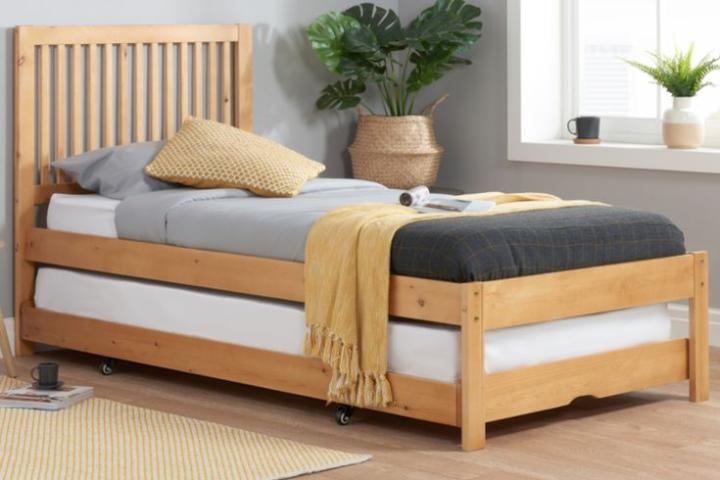
Bedrooms carry more than sleep. They hold rest routines and quiet moments after long days. Many homes now shift toward simple furniture that brings both comfort and function. People look..
Top Wooden Bed Frame – Handcrafted Indian Bedroom Furniture

Discover premium wooden bed frame collections at Majestic Carvings Australia. Solid construction with intricate carved details and traditional Indian craftsmanship. Custom sizes and designs available. Transform your bedroom with authentic..
Wooden Door Australia Design Trends in 2025 | Carved & Rustic Styles

Discover the top https://majesticcarvings.com.au/wooden-door-australia-design-trends-in-2025-carved-rustic->#WoodenDoorAustralia
How to Remove Old Stains on Wooden Deck

Wooden deck cleaning may seem like an uphill task that is never-ending, particularly when old-stains keep reoccurring. Spills, rust or molds can leave stains on your deck. But you don't..
Wooden Stairs Design
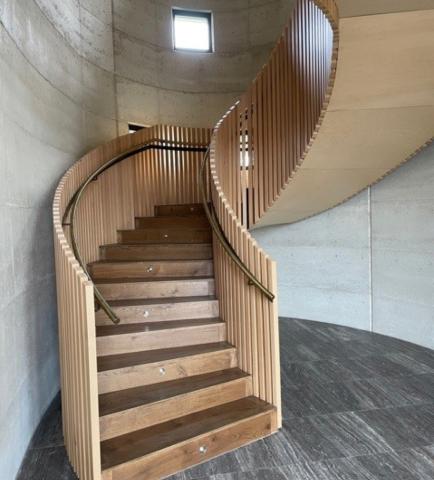
Eric Jones Stairbuilding’s wooden stairs design suit every interior. Timber brings a natural touch that makes your home feel welcoming and complete. Thinking of a feature that blends tradition with..
Wooden Photo Frames: A Timeless Gift for Workplaces and Loved Ones

Introduction: The Challenge of Finding the Perfect GiftIf you’re an HR manager, employer, or even someone looking for a meaningful gift for family or friends, you’ve probably faced the same..
From Forest to Finish: A Dive into Wooden Acoustic Panels Market Trends
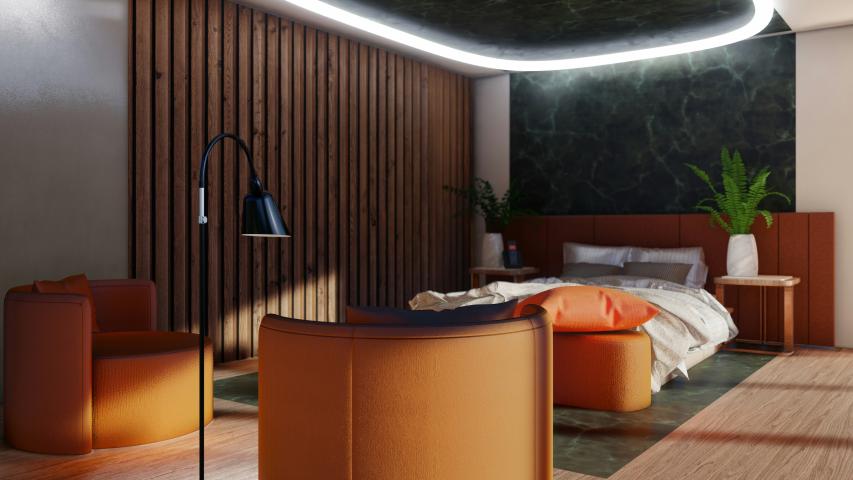
When you walk into a room lined with Wooden Acoustic Panels, you may notice the warmth in the lighting, the quiet hush in the air, and a certain crafted elegance..
Do Acoustic Wall Panels Really Work? Science, Stats, and Solutions!
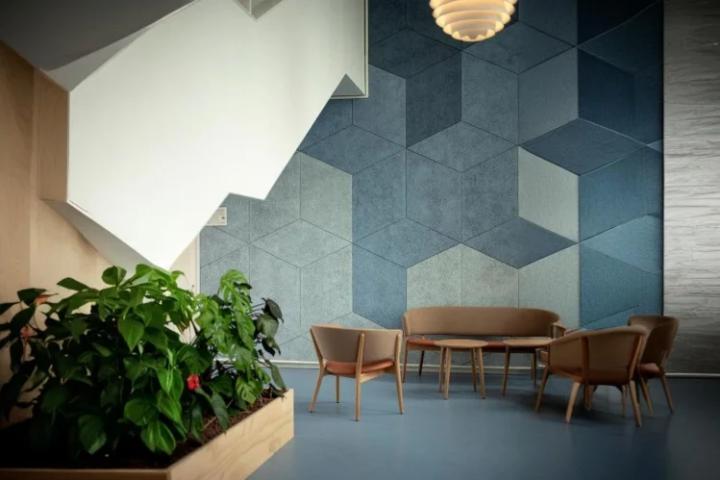
Noise changes how we feel. What if walls could do more than just stand there? That’s where acoustic panel material steps in. It transforms walls into sound control tools. Real..
How an Acoustic Ceiling Improves Architectural Flow and Interior Comfort
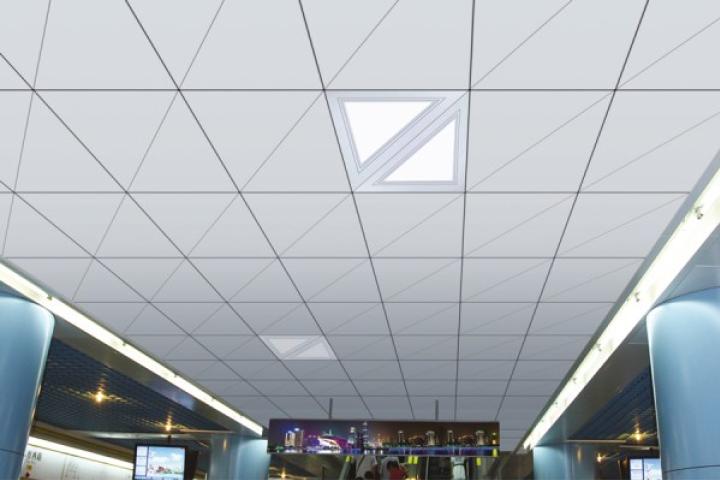
Quick Summary: Ceilings do more than just enclose a room. After all, they dictate how sound, light, and visual energy move through an interior space. An acoustic ceiling provides a..
7 Aesthetic Ideas Using Polyester Fibre Acoustic Panel
Quick Summary: Modern interiors demand a balance between functionality and visual appeal. A polyester fibre acoustic panel delivers both by improving room acoustics while serving as a stylish design feature...
Can Wooden Acoustic Panels Really Fix Your Room's Annoying Echo?
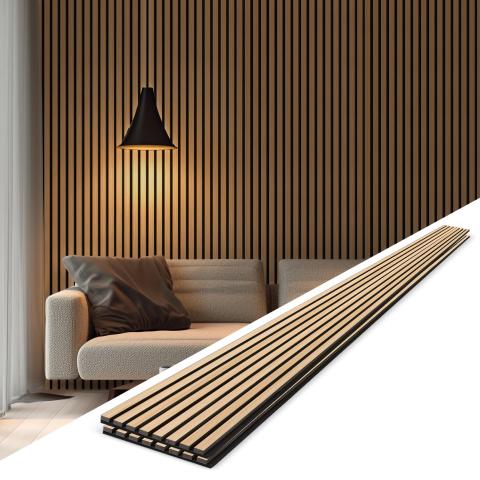
Quick Summary: Echo can make even the most beautifully designed room feel uncomfortable. Whether it is a home, office, restaurant, or studio, excessive sound reflections affect conversations, productivity, and overall..
Acoustic Solutions vs. Thick Rugs and Curtains: What Works Best?
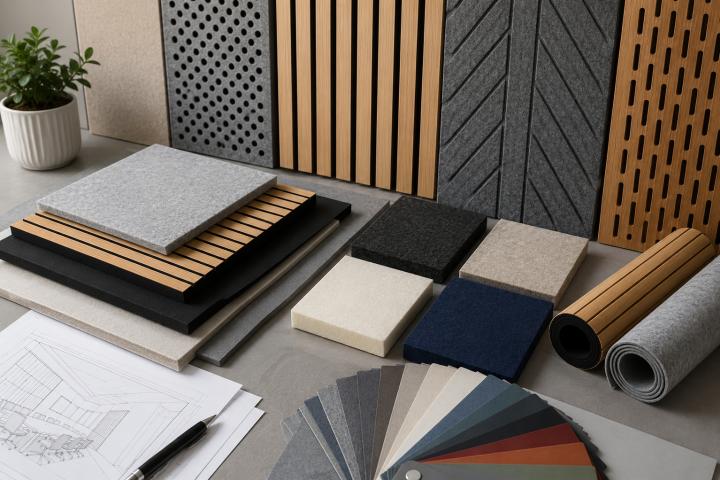
Quick Summary: Many homeowners try to reduce noise using thick rugs and heavy curtains, hoping they'll create a quieter environment. While these furnishings can help soften echoes and absorb a..
Every Dealer of Acoustic Sheet Material Must Know these!
Quick Summary: Selling acoustic sheet material requires more than understanding product specifications. Dealers must know how different materials perform, where they are best used, and how to guide customers toward..
Acoustic Treatment Materials: What actually Works vs. what's Just Hype
Quick Summary: The market is full of products claiming to solve every noise problem, but not all acoustic treatment materials deliver the same results. Some improve room acoustics, while others..
Top Tips for Picking Acoustic Ceiling Tiles Colors that Look Great
Quick Summary: The colour of a ceiling can influence how a space feels just as much as its walls or furniture. Choosing the right acoustic ceiling tiles is about balancing..