A Blockchain Development Company is a specialized technology firm that focuses on creating applications, systems, and solutions using distributed ledger technology (DLT), most commonly known as the blockchain. Simply put, they build the digital tools that utilize the secure, transparent, and decentralized nature of blockchain. These tools can range from digital money systems (cryptocurrency) and automated agreements (smart contracts) to secure record-keeping systems for businesses. Their work matters because they help organizations move away from central authorities, increase data security, and create more efficient and transparent business processes, marking a significant step in the future of digital operations for every business looking for blockchain solutions.
What is a Blockchain Development Company and its Core Services?
A blockchain development company employs experts—developers, cryptographers, and system architects—who understand the deep workings of distributed ledger technology (DLT). Their main role is to translate a business need into a functioning, secure, and verifiable application built on a blockchain platform. This process involves everything from planning the system's architecture to writing the code for the decentralized applications (dApps) and ensuring the final product is secure and scalable.
The core services offered by these specialized firms are diverse and highly technical, yet they all aim to deliver the benefits of immutability and decentralization to clients.
Designing and Building Decentralized Applications (dApps)
One of the main services a blockchain technology company provides is dApp development. Unlike traditional apps that rely on a single central server, dApps run on a decentralized network of computers. This means no single person or entity controls the app, making it more resistant to failure and censorship.
Ethereum dApp development is particularly popular for building public applications, as the Ethereum platform supports complex smart contracts.
The developers design the user-facing interface, the backend logic, and, most importantly, the smart contracts that govern how the application works.
Creating and Auditing Smart Contracts
Smart contracts are automated, self-executing agreements where the terms are written directly into code. A blockchain software development firm writes these contracts using specialized languages like Solidity.
Smart contract development and auditing is a key service. Auditing is crucial because, once deployed, the code cannot be changed. The audit process involves a meticulous review of the code to find and fix any security holes or bugs before the contract is put into operation. This ensures the automated agreement functions exactly as intended and protects users from financial loss.
Building Digital Asset and Cryptocurrency Platforms
Many digital asset development companies specialize in creating the infrastructure for new digital financial tools. This includes:
Custom cryptocurrency development: Creating new digital currencies or tokens for a project.
Cryptocurrency wallet development: Building secure digital wallets that allow users to store, send, and receive their digital assets.
Decentralized Exchange (DEX) development: Creating trading platforms that allow users to trade digital assets directly with each other without a central intermediary. This service helps a business looking for blockchain solutions to enter the finance space.
Setting Up Private and Consortium Blockchains
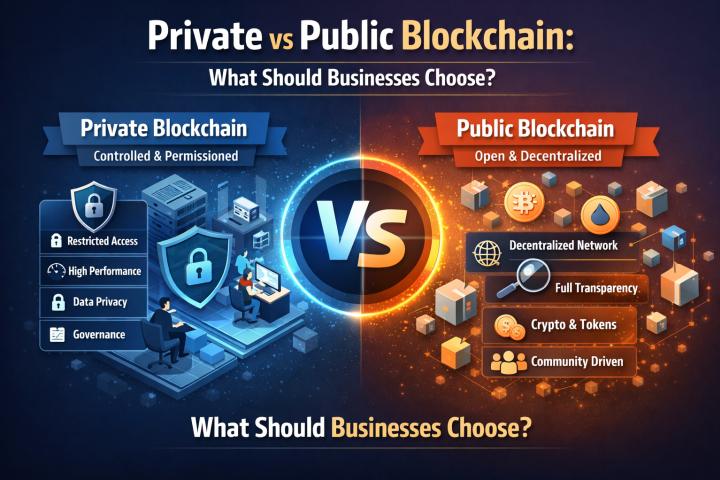
Not all blockchain solutions are public like Bitcoin or Ethereum. For businesses, a private blockchain implementation is often more suitable.
A private blockchain development company creates a permissioned network where access is restricted to approved participants (like different departments within a company or a group of partnering organizations).
These are faster and offer greater control over who can view and validate transactions, making them perfect for enterprise use cases like supply chain management and secure data sharing.
Integrating Blockchain with Existing Systems
Most businesses already use many traditional software systems. A blockchain solutions provider offers blockchain integration services to connect the new DLT application with these older, existing systems (like ERP or CRM software). This allows for a smooth transition without requiring the business to replace all its current technology at once, enabling a functional hybrid architecture.
The Business Value of Distributed Ledger Technology Solutions
The main reason organizations hire a blockchain development company is to gain competitive advantages that traditional systems simply cannot offer. These advantages directly relate to how distributed ledger technology handles data and transactions. The value extends beyond just finance to any business looking for blockchain solutions to improve trust and operational speed.
Enhanced Security and Data Immutability
The way a blockchain stores data provides a superior level of security. Each transaction is grouped into a "block," which is cryptographically linked to the previous block, creating a "chain."
Immutability: Once a record is added to the chain, it cannot be altered or deleted. This means the data is permanently verifiable, which is a key benefit for enterprise blockchain development in regulated industries.
Decentralization: Because the data is spread across many computers (nodes) instead of a single server, there is no single point of failure that a hacker can target. This drastically increases resilience against cyberattacks and data tampering.
Greater Transparency and Traceability
Blockchain provides a shared, single source of truth that all authorized participants can view.
Transparency: Every transaction record is visible to all network participants, eliminating the need to trust an intermediary. This is vital in areas like auditing and compliance.
Traceability: For physical and digital assets, blockchain creates an unchangeable audit trail. This is a primary driver for supply chain blockchain solutions, allowing companies to track the origin and journey of a product (e.g., food, pharmaceuticals, or luxury goods) from its source to the customer.
Improved Efficiency Through Automation
By using smart contracts, processes that once required human intervention, paperwork, or third-party verification can be automated.
Automation: Agreements execute automatically when pre-defined conditions are met. For instance, an insurance payout could be triggered instantly upon verifiable confirmation of an event, removing delays and administrative overhead.
Faster Settlements: In financial services, cross-border payments can take days. A financial technology blockchain developer can create systems that reduce settlement times to minutes or even seconds, cutting down on operational costs and increasing liquidity.
Reducing Operational Costs and Intermediary Fees
By removing the need for third-party intermediaries (like banks, lawyers, or escrow services) to verify and process transactions, businesses save money.
Disintermediation: Smart contracts act as the trusted middleman, automating trust and reducing the fees associated with traditional intermediaries. This is a significant factor driving the adoption of Decentralized Finance (DeFi) solutions.
Reduced Duplication: With a shared ledger, different parties no longer need to maintain separate, often conflicting, databases, which streamlines operations and reduces administrative errors and costs.
How a Blockchain Development Firm Operates and Ensures Quality
The operational methodology of a specialized development firm is highly rigorous due to the permanent and sensitive nature of blockchain code. A proper process is essential to deliver a custom blockchain software development project that meets all security and functional requirements.
Project Discovery and Architecture Planning
Every project starts with a detailed analysis of the client's business challenge. This includes:
Requirements Gathering: Clearly defining the problem and the desired outcomes of the blockchain implementation.
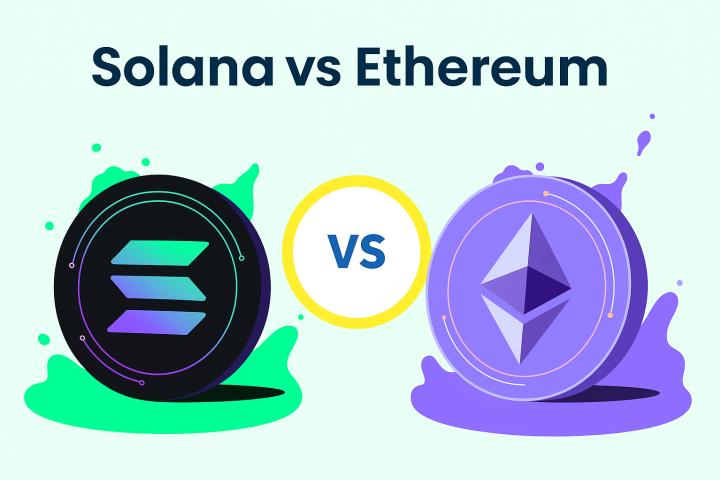
Platform Selection: Deciding which blockchain platform is best suited (e.g., Ethereum, Hyperledger Fabric, Solana, or building a brand new chain). This choice impacts the network's speed, cost, and consensus mechanism.
Technical Architecture Design: Creating a detailed blueprint of the system, including how dApps, smart contracts, and data will interact.
Development and Secure Coding Practices
The development phase involves writing the actual code, following best practices to guarantee security and performance.
Modular Coding: Breaking the system down into small, manageable, and testable components, especially for complex enterprise blockchain development.
Security-First Approach: The core philosophy of a trusted blockchain development partner is to prioritize security. This means using secure coding standards and following cryptographic principles to protect the network from common vulnerabilities.
Smart Contract Creation: Developers write the logic for automated agreements, paying close attention to "gas optimization" to keep transaction fees low on public networks.
Rigorous Testing and Quality Assurance
Before deployment, the blockchain solution undergoes extensive testing, which is arguably more critical than in traditional software.
Unit and Integration Testing: Ensuring individual smart contracts and modules work correctly and that they communicate properly with each other.
Security Auditing: Independent auditors often review the smart contract code line-by-line to identify and correct security flaws like re-entrancy attacks or overflow issues. A dedicated blockchain audit service is essential for any public-facing or high-value dApp.
Performance Testing: Checking the system's ability to handle the expected volume of transactions and users without slowing down.
Deployment and Ongoing Maintenance
The final step is launching the solution on the chosen network and providing continued support.
Network Deployment: Setting up the necessary nodes and deploying the smart contracts and dApps onto the live blockchain.
Post-Launch Support: The digital landscape changes fast. A good blockchain development services provider offers maintenance to keep the system updated, handle potential bugs, and make minor upgrades as new technology standards appear.
Industry Applications of Blockchain Technology Services
Blockchain technology is proving its value across a wide range of industries, far beyond its association with cryptocurrencies. A blockchain development company helps businesses in these sectors realize that value through specialized solutions.
Supply Chain and Logistics
The challenge of tracking goods and verifying authenticity is perfectly solved by blockchain's traceability feature.
Provenance Tracking: Creating an immutable record of a product's origin, processing, and transportation. This is particularly useful for food safety, ethical sourcing, and preventing the sale of counterfeit goods.
Automated Payments: Using smart contracts to release payments to a supplier automatically once a shipment is verified as delivered at a specific checkpoint. This streamlines global trade and reduces friction.
Healthcare and Medical Records
Data security and sharing are critical challenges in the medical field.
Secure Patient Records: Storing encrypted patient data on a private, permissioned blockchain can allow different healthcare providers to share records securely and instantly, improving patient care while maintaining privacy standards.
Drug Traceability: Tracking pharmaceuticals from the manufacturer to the pharmacy to fight counterfeit drugs and ensure the integrity of the supply chain for sensitive medicines.
Government and Public Services
Governments can use DLT to increase accountability and reduce corruption.
Digital Identity: Creating secure, self-sovereign digital identities that citizens control, simplifying access to public services and reducing identity fraud.
Secure Voting Systems: Developing highly transparent and tamper-proof voting platforms where every vote is verifiable and cannot be changed, thus increasing public trust in election results.
Finance and Decentralized Finance (DeFi)
This sector remains the most active area for financial technology blockchain developer companies.
Decentralized Lending: Building platforms that allow users to lend and borrow digital assets without a central bank or financial institution.
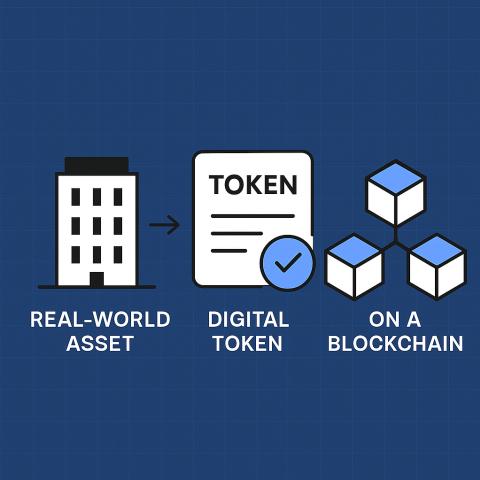
Tokenization of Assets: Turning real-world assets like real estate, art, or company equity into digital tokens on a blockchain. This process, facilitated by a digital asset development company, makes illiquid assets more easily tradable and divisible.
Selecting the Right Blockchain Solutions Provider for Your Project
Choosing the correct partner for custom blockchain software development is the most important decision for a successful project. Given the specialized nature of the technology, the provider must demonstrate genuine authority and experience.
Prioritizing Deep Technical Expertise
The foundation of a reliable blockchain technology company is its technical skill set. You must look for evidence of deep knowledge in the underlying technology, not just superficial understanding.
Platform Versatility: The team should be proficient in multiple major blockchain platforms, such as Ethereum, Solana, and Hyperledger, to recommend the right one for your specific needs, rather than only pushing a single platform.
Cryptographic Knowledge: Since the security of blockchain relies on cryptography, the team must have experts who understand cryptographic hashes, public-key infrastructure, and consensus mechanisms like Proof-of-Stake or Proof-of-Authority.
Smart Contract Security Focus: The development partner must prove they follow stringent security protocols when writing and testing smart contract code to prevent costly errors.
Looking for Industry-Specific Experience
A trusted blockchain development partner will have direct experience in your industry. A firm that has successfully built supply chain blockchain solutions will understand the nuances of logistics and inventory management better than one that only works in finance.
Relevant Case Studies: Look for prior projects that solve a similar type of problem, even if in a different industry. This shows they have experience with the complexity of data privacy, regulatory compliance, or high transaction throughput that your project requires.
Regulatory Awareness: In regulated fields like finance, healthcare, or real estate, the company must know the specific legal and compliance requirements that the blockchain implementation must adhere to.
Clear and Transparent Communication
Since these projects are highly technical, clear communication is absolutely essential. The best firms explain complex technical choices in simple business terms.
Structured Process: The company should have a well-defined and predictable development process (e.g., agile methodology) with regular updates and clear milestones, allowing the client to follow the progress easily.
Educational Partnership: A superior blockchain development services provider acts as an educator, helping the client's internal team understand how to operate and benefit from the new DLT solution after it is launched.
The Future Outlook for Businesses and Blockchain Development
The demand for blockchain development company services is only growing as more businesses recognize that distributed ledger technology is not just for speculative finance, but a fundamental infrastructure for verifiable, secure, and automated digital interaction.
Future trends show a continued move towards enterprise blockchain development and broader adoption of hybrid systems. Private, permissioned chains will continue to grow in popularity for internal business applications where speed and access control are more important than public anonymity.
The increasing popularity of tokenization of real-world assets will drive the need for specialist digital asset development companies to create compliant and scalable platforms for tokenizing everything from commodities to intellectual property. This move will significantly blur the line between traditional and decentralized finance.
For any business looking for blockchain solutions, the importance of partnering with a firm that adheres to the highest standards of experience, expertise, and trustworthiness cannot be overstated. By focusing on quality partners who prioritize security and transparency, organizations can successfully build the digital systems of the future, leveraging the distributed ledger technology to create efficiency and trust that lasts. Start Your Blockchain Project With Trusted Developers