A Web3 development company builds digital platforms that run on blockchain networks and give users direct control over data, identity, and digital assets. Web3 replaces central servers with decentralized systems where actions follow code written in smart contracts. This structure supports open access, public records, and peer-to-peer interaction. Many industries now use Web3 to create secure platforms for finance, ownership, governance, and digital services.
The Basics of Web3 Explained Simply
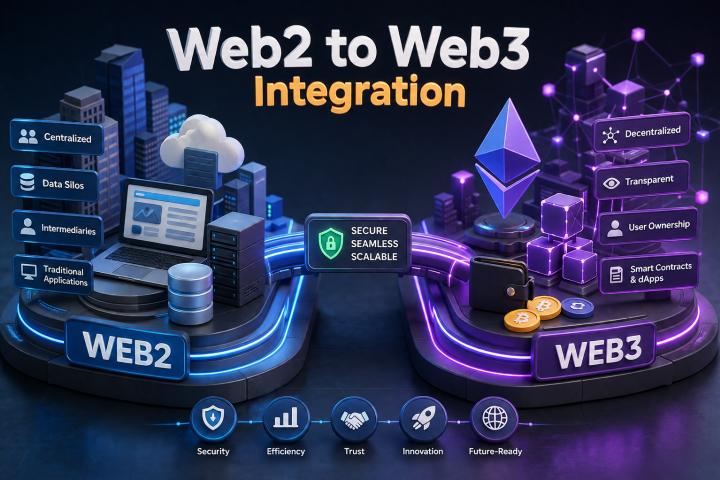
Web3 represents a new structure for the internet. Traditional websites store data on servers owned by companies. Users depend on those companies for access and data safety. Web3 changes this setup by storing data across distributed networks.
Blockchain technology records every action in shared ledgers. Each record stays visible and verifiable. Users connect through digital wallets instead of accounts controlled by platforms. Ownership stays with the user rather than the service provider.
Web3 software development focuses on trust through transparent code. Smart contracts manage actions without manual control. This creates systems where rules stay the same for everyone.
How Web3 Differs From Earlier Internet Models
Earlier internet models focused on reading content and later interacting with platforms owned by companies. Data collection and control remained centralized. Web3 removes that structure.
In Web3 systems, users sign transactions with private keys. No platform holds login credentials. Applications read data directly from the blockchain. This setup supports privacy and ownership.
Web3 development services support platforms where users act as participants rather than products. Value moves directly between users through blockchain networks.
Purpose of a Web3 Development Company
A Web3 development company designs and builds decentralized digital systems. These systems include blockchain integration, smart contract logic, and wallet-based user interfaces.
Development teams choose suitable blockchain networks based on performance and security needs. Smart contracts define how assets move and how permissions work. Front-end applications present blockchain data in a simple format.
Web3 development services help organizations create transparent systems that rely on code rather than central control.
Web3 App Development Services in Practice
Web3 app development services focus on decentralized applications that interact directly with blockchain networks. These applications support actions like token transfers, NFT creation, voting, and access control.
Users approve actions through wallets. Each approval creates a blockchain record. This process improves accountability and data integrity.
Custom Web3 app development services suit platforms where trust and verification matter. Finance tools, community platforms, and digital ownership systems rely on this structure.
Blockchain Development Company Foundations
A blockchain development company builds the infrastructure that supports Web3 platforms. This includes public blockchain integration, private network setup, and hybrid environments.
Public blockchains allow open access and shared records. Private blockchains support restricted access for internal use. Hybrid models support both needs within one system.
Blockchain software development supports asset tracking, record storage, and transaction validation across distributed systems.
Smart Contract Development at the Core
Smart contract development forms the foundation of Web3 platforms. Smart contracts act as self-executing programs stored on blockchains.
These programs manage asset transfers, rules, and permissions. Once deployed, contracts run exactly as written.
Accurate logic and testing play a major role in smart contract development. Many Web3 platforms rely on contracts for token issuance, governance, and marketplace activity.
Decentralized Application Development Structure
Decentralized application development removes central servers from digital platforms. Application logic runs on smart contracts. Data storage relies on decentralized file systems.
Users access applications through wallets. Identity verification happens through cryptographic proof. This reduces reliance on passwords and central databases.
Decentralized apps support digital finance, content platforms, governance tools, and shared ownership systems.
NFT Marketplace Development Explained
NFT marketplace development supports platforms where users create and trade non-fungible tokens. NFTs represent unique digital items like art, media, tickets, or virtual property.
Smart contracts manage minting, ownership changes, and royalty rules. Blockchain records confirm authenticity and ownership history.
NFT platform development includes wallet support, metadata storage, and search tools that help users manage collections.
DeFi Development Services Overview
DeFi development services focus on decentralized finance platforms built on blockchain networks. These platforms support lending, borrowing, trading, and staking without banks.
Smart contracts manage funds and transaction rules. Blockchain records show every action publicly.
DeFi platforms rely on secure logic and accurate data feeds. This structure supports open access to financial tools across regions.
DAO Development Services and Community Control
DAO development services create decentralized autonomous organizations. DAOs operate through smart contracts and token-based voting.
Members submit proposals and vote using blockchain transactions. Contract logic enforces outcomes after voting ends.
DAO systems support shared decision-making and transparent governance across digital communities.
Web3 Consulting Services and Early Planning
Web3 consulting services guide organizations during early planning stages. This process defines use cases, blockchain selection, and system design.
Consultants review technical needs and network limits. Clear planning supports stable development and long-term operation.
Web3 consulting helps align product goals with blockchain capabilities.
Web3 Technology Stack Overview
Web3 development relies on several connected layers. The blockchain layer records transactions and smart contract data. Networks like Ethereum, Polygon, and Solana serve this role.
The smart contract layer contains business logic written in blockchain languages. The data layer stores files through decentralized storage systems.
The front-end layer presents information through web or mobile interfaces. Indexing tools support fast data access for users.
Each layer works together to support decentralized applications.
Security in Web3 Software Development
Security plays a central role in Web3 software development. Smart contracts handle digital assets and permissions.
Development teams review code and test logic before deployment. Access controls limit unwanted actions. Monitoring tools track activity after launch.
These practices support system stability and user confidence.
Industry Applications of Web3
Web3 supports many industries through decentralized systems. Finance platforms use blockchain for payments and settlement. Gaming platforms use NFTs for asset ownership.
Supply chains record product movement on blockchains. Healthcare systems store records with user-controlled access.
Digital identity platforms use wallets for proof without central databases.
Benefits of Web3 Development Services
Web3 development services support transparency, data ownership, and open access. Blockchain records remain tamper-resistant and verifiable.
Users control assets and identity. Organizations gain systems that follow clear logic through code.
Open standards support compatibility across platforms.
Challenges Found in Web3 Development
Web3 development includes technical and adoption challenges. Blockchain networks differ in speed and transaction costs. User onboarding requires clear interface design.
Smart contract updates require redeployment, which demands careful planning. Clear documentation supports system management.
These challenges shape how platforms get designed and maintained.
Web3 Development Workflow
Web3 development follows a structured process. Planning defines goals and blockchain choice. Design maps user flows and contract logic.
Development builds smart contracts and interfaces. Testing checks logic and security. Deployment launches contracts on blockchain networks.
Ongoing updates improve usability and monitoring.
Governance and Compliance in Web3 Systems
Governance systems define how Web3 platforms evolve. Token-based voting supports transparent updates.
Compliance needs shape data access rules and permission structures. Public records support accountability.
Documentation helps users understand platform rules.
The Direction of Web3 Development
Web3 adoption continues across finance, media, and enterprise systems. Network upgrades improve transaction speed and reduce fees.
Cross-chain tools support interaction between multiple blockchains. Wallet interfaces become simpler for new users.
Web3 development companies adapt to new standards as blockchain technology grows.
Closing Thoughts
Web3 represents a shift toward user-controlled digital systems built on blockchain networks. A Web3 development company plays a key role in building decentralized applications, smart contracts, and blockchain platforms.
From Web3 app development services to NFT marketplace development, DeFi development services, DAO development services, and Web3 consulting services, decentralized technology supports many digital use cases.
This guide explains Web3 from the ground up and shows how Web3 development companies support modern digital platforms through transparent and secure systems. Choose a Trusted Web3 Development Company Fast