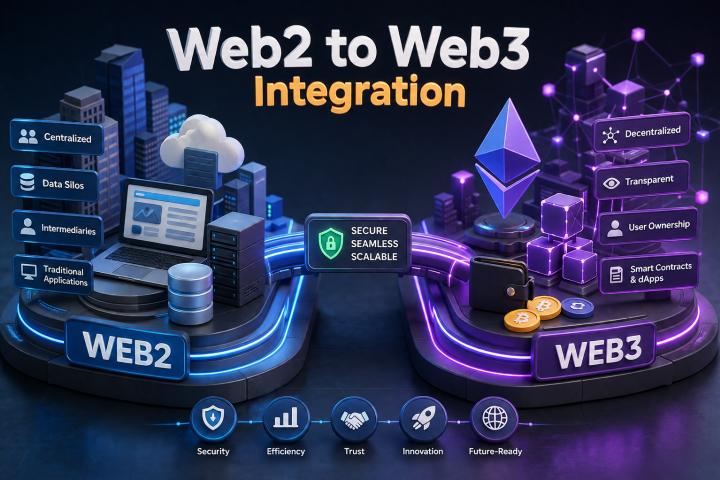

The internet has grown beyond simple websites and mobile apps. People now expect better control over data, stronger privacy, and clearer records of online actions. Web3 introduces a new structure where platforms do not rely on one central system to store data or manage users. A Web3 development company plays an important role in building these systems.
This type of company helps businesses create platforms that work on decentralized networks. These platforms allow users to interact through digital wallets, store assets securely, and complete actions that follow clear rules written in code. This guide takes a close look at what a Web3 development company is, what it does, and why its role matters in modern digital systems.
Understanding Web3 at a Basic Level
Web3 refers to online systems built on blockchain networks. These systems spread data across many nodes rather than keeping it in one place. Each action is recorded in a shared record that participants can verify.
Users connect to Web3 platforms using digital wallets instead of traditional login details. The wallet acts as proof of identity and control over digital assets. Actions such as transfers or approvals require direct user permission.
A Web3 development company builds systems that support this structure. It connects blockchain logic with user-facing tools in a way that feels clear and usable.
What a Web3 Development Company Does
A Web3 development company designs and builds decentralized platforms from the ground up. Its work starts with planning how blockchain fits a business goal. This includes choosing the right network, defining user actions, and setting rules for automation.
Developers write smart contracts that handle platform logic. These contracts manage tasks such as transfers, permissions, and record updates. The company tests these contracts carefully to confirm correct behavior.
The company builds user interfaces that connect wallets to blockchain actions. It supports deployment and continues to manage updates after launch. The role covers the full system lifecycle.
Key Services Offered by a Web3 Development Company
Web3 development companies provide structured services that support decentralized platforms.
Decentralized Application Development
Decentralized applications run on blockchain networks rather than central servers. These applications allow users to interact directly with the system.
Developers build application logic that records actions on the blockchain. They design interfaces that allow users to connect wallets, view data, and complete tasks. These applications support transparency and user control.
Smart Contract Development
Smart contracts are programs stored on the blockchain. They run automatically when conditions are met.
A Web3 development company writes these contracts with care. Each rule must be precise since changes after deployment are limited. Testing checks behavior across many scenarios.
Smart contracts support automation and reduce manual steps in digital processes.
Token and Digital Asset Creation
Many Web3 platforms use digital tokens. These tokens can represent value, access, or participation rights.
Development companies define how tokens behave, how many exist, and how they move between wallets. They connect tokens to platform features so users can use them in meaningful ways.
Wallet Integration
Wallets allow users to store assets and sign actions. Integration connects wallets with platform features.
Developers manage permissions, transaction signing, and network connections. Clear wallet integration reduces confusion and builds user trust.
Blockchain Network Setup
Different blockchain networks serve different needs. Some focus on speed. Others focus on flexibility or cost.
A Web3 development company helps choose the right network and configures how the platform connects to it. This choice affects performance and long-term use.
Why Web3 Development Companies Matter Today
Web3 development companies matter because decentralized systems require careful design. Blockchain technology introduces new rules that differ from traditional platforms.
Mistakes in smart contracts can cause serious issues. Poor wallet handling can lead to user errors. Development companies reduce these risks through planning and testing.
As digital assets gain value, the need for safe systems grows. Web3 development companies provide the structure needed to support real use cases.
Supporting User Control and Ownership
Web3 platforms focus on user control. Assets and data stay in user wallets rather than platform accounts.
A Web3 development company designs systems that respect this structure. It builds flows where users approve each action directly.
This changes how platforms interact with users. Development companies help businesses adjust to this model without confusion.
Transparency Through Shared Records
Blockchain networks record actions in shared ledgers. These records can be verified by authorized participants.
Development companies design systems that use this feature correctly. They decide what data is stored on-chain and how users view it.
Clear records support trust and reduce disputes. This matters in systems that track value or ownership.
Automation Through Smart Contracts
Automation is a core part of Web3 systems. Smart contracts handle actions without manual approval.
Development companies write contracts that manage transfers, access rights, and platform rules. Testing checks that automation follows expected paths.
Automation supports speed and consistency across digital processes.
Data Security and Integrity
Centralized systems face risks tied to single points of control. Web3 systems spread records across networks.
A Web3 development company builds systems that protect data through decentralized storage and permission control.
Security includes user flows that prevent mistakes. Clear prompts and confirmations reduce accidental actions.
Industry Use of Web3 Development Services
Web3 development companies support many industries.
In finance, platforms use blockchain for direct transfers and record tracking. Development companies manage wallet flows and transaction logic.
In gaming, Web3 allows players to own digital items. Developers manage asset ownership and trading features.
In supply chains, blockchain records product movement. Development companies design systems that track each step clearly.
In healthcare, decentralized systems control access to sensitive records. Development companies design permission-based access.
In real estate, blockchain supports ownership records and digital agreements. Developers automate processes through smart contracts.
Planning and System Design
Web3 platforms require careful system design. Blockchain use has costs tied to each action.
A Web3 development company plans how often the blockchain is used. It decides what data stays off-chain and what actions require recording.
This planning supports better performance and user experience.
Helping Users Learn Web3 Systems
Many users are new to Web3. Wallets and transaction approvals can feel unfamiliar.
Development companies design interfaces that guide users through each step. Clear explanations and confirmations reduce mistakes.
Education becomes part of platform design rather than an extra feature.
Ongoing Platform Support
Web3 platforms continue to change after launch. Networks update rules. User needs grow.
A Web3 development company supports updates and adjustments. It monitors system behavior and applies improvements.
Long-term support helps platforms remain stable and usable.
Common Challenges in Web3 Development
Web3 development faces challenges tied to network limits and user awareness.
Development companies manage these challenges through testing and clear design. They review contracts and monitor usage patterns.
Experience with decentralized systems helps address issues early.
Evaluating a Web3 Development Company
Businesses should focus on process clarity when choosing a development company.
Questions should cover planning steps, testing methods, and support practices. Clear answers support better collaboration.
Understanding how a company works helps align expectations.
The Growing Role of Web3 Development Companies
As more platforms move toward decentralized systems, the role of Web3 development companies grows.
They help bridge the gap between new technology and practical use. Their work supports trust, safety, and system stability.
Businesses rely on these companies to build systems that function over time.
Conclusion
A Web3 development company builds decentralized platforms that focus on user control, shared records, and automated actions. These companies design applications, smart contracts, digital assets, and wallet connections that run on blockchain networks.
Taking a close look at what a Web3 development company is helps readers understand how modern digital systems differ from traditional platforms. These companies guide planning, development, testing, and long-term support.
As Web3 adoption grows across finance, gaming, healthcare, supply chains, and real estate, the role of Web3 development companies remains important. Clear knowledge of their work helps businesses and readers make informed decisions about decentralized technology. Launch future-ready Web3 products with ease.