As businesses expand globally, communicating effectively with a diverse audience has become one of the most critical challenges. Traditional customer service methods often struggle to keep up with the demands of multiple languages, time zones, and cultural contexts. This is where multilingual chatbot development steps in, offering a scalable, efficient, and intelligent solution that bridges communication gaps while delivering personalized experiences.
Understanding Multilingual Chatbot Development
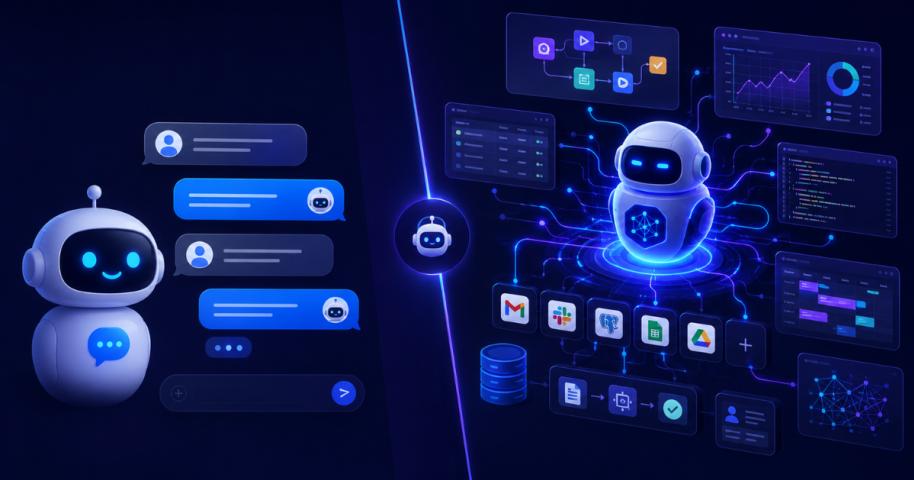
Multilingual chatbot development involves designing and deploying AI-driven chatbots capable of understanding and responding in multiple languages. Unlike single-language chatbots, these advanced systems can interpret user queries, detect the language automatically, and provide contextually accurate responses. Modern multilingual chatbots rely on artificial intelligence, natural language processing (NLP), and machine learning to continuously improve communication quality across languages. They go beyond mere translation, understanding idioms, cultural references, and regional variations to ensure meaningful conversations.
The process of multilingual chatbot development is not just about technology—it also requires careful planning of user flows, cultural nuances, and integration with existing business systems. A well-designed chatbot can mimic human-like interactions, providing answers, solving problems, and even assisting in complex tasks without frustrating delays or errors.
Why Global Brands Need Multilingual Chatbots
For international businesses, language barriers can hinder customer engagement, reduce sales opportunities, and damage brand perception. Offering customer support only in one language limits a brand’s global potential. Multilingual chatbots allow businesses to overcome this barrier, providing instant, accurate communication in the customer’s preferred language.
By deploying a multilingual chatbot, global brands can improve customer experience, retain loyalty, and expand into new markets with confidence. Customers feel understood and valued when they interact in their native language, which directly translates to higher satisfaction, more engagement, and increased trust in the brand.
Enhancing Customer Experience with AI-Powered Chatbots
Customer expectations have evolved significantly in recent years. Modern consumers expect fast, accurate, and personalized support at all times. Multilingual chatbots meet these expectations by offering instant responses, round-the-clock availability, and consistent messaging.
Unlike human agents, chatbots do not tire, do not need breaks, and can handle thousands of queries simultaneously. They can provide step-by-step guidance, suggest products, answer FAQs, and even troubleshoot issues in real time. The AI behind these chatbots allows them to learn from each interaction, refining their responses and improving over time. As a result, businesses can deliver a smooth and reliable customer journey across multiple regions and languages.
Leveraging Natural Language Processing (NLP)
At the heart of multilingual chatbot development lies Natural Language Processing (NLP), which enables machines to understand, interpret, and generate human language. NLP allows chatbots to detect the language being used, analyze the intent behind a query, and provide responses that are both contextually accurate and culturally appropriate.
Advanced NLP algorithms allow chatbots to recognize slang, regional terms, and even typing errors, ensuring that users do not get frustrated due to miscommunication. With continuous learning, chatbots can also adapt to changing user behavior and language trends, maintaining relevance and efficiency in global operations.
Steps to Implement Multilingual Chatbots
Developing a successful multilingual chatbot requires a combination of technology, strategy, and cultural insight. Businesses must first define the primary goals of the chatbot, such as customer support, sales assistance, or engagement. Understanding the target audience and the languages they speak is crucial for effective implementation.
Once the objectives are clear, the next step is selecting the right platform for development. Businesses may choose prebuilt solutions with multilingual capabilities or opt for custom development for complex needs. The conversational flow must then be designed for each language, ensuring that responses are natural, culturally sensitive, and aligned with the brand voice. Integration with AI and NLP systems follows, along with extensive testing to guarantee accuracy and functionality in all supported languages. Finally, continuous monitoring and optimization ensure that the chatbot evolves with customer needs and business growth.
Cultural Sensitivity and Personalization
One of the most significant advantages of multilingual chatbots is their ability to provide culturally aware interactions. Language is deeply tied to culture, and direct translations often fail to convey the intended meaning. Multilingual chatbots are designed to understand cultural nuances, idioms, and tone, ensuring that communication feels authentic and personalized.
Personalization goes beyond language. Chatbots can remember user preferences, previous interactions, and browsing history to provide tailored recommendations or solutions. For global businesses, this level of personalization is key to building strong customer relationships and enhancing loyalty across markets.
Cost Efficiency and Scalability
Hiring multilingual customer support teams can be costly and operationally complex, especially for businesses operating in multiple regions. Multilingual chatbots offer a cost-effective alternative, automating routine queries while maintaining high-quality support.
Additionally, chatbots can handle thousands of interactions simultaneously, something that would require a massive human workforce. This scalability allows businesses to expand into new markets without worrying about staffing limitations, ensuring that support is always available regardless of customer volume.
Integrating Multilingual Chatbots with Business Systems
For maximum efficiency, multilingual chatbots should be integrated with existing business systems such as CRM platforms, e-commerce websites, and support ticketing systems. This integration ensures that the chatbot can access real-time data, provide relevant information, and assist users effectively.
For example, a chatbot integrated with a CRM can recognize returning customers, provide personalized product suggestions, or automatically update support tickets. Such integration not only enhances the user experience but also streamlines internal processes, reducing manual workload and improving operational efficiency.
Measuring Success and Continuous Improvement
The success of a multilingual chatbot is measured by its ability to resolve customer queries, enhance engagement, and improve overall satisfaction. Key metrics include response accuracy, user satisfaction scores, average handling time, and conversion rates.
Continuous improvement is critical. AI-driven chatbots learn from each interaction, identifying patterns, common issues, and areas for optimization. By analyzing these insights, businesses can fine-tune conversational flows, add new languages, and adapt responses to meet evolving customer needs.
Future Trends in Multilingual Chatbot Development
The future of multilingual chatbot development is closely tied to advances in AI and machine learning. Next-generation chatbots are expected to support voice interactions, understand sentiment and emotion, and provide predictive assistance. Integration with IoT devices, social media platforms, and omnichannel communication strategies will make chatbots even more versatile.
Moreover, as global businesses increasingly adopt AI, multilingual chatbots will become smarter, more adaptive, and capable of handling complex, context-driven conversations across languages. Companies that invest in these innovations early will gain a competitive advantage in the international marketplace.
Conclusion
In a globalized economy, communication is a key driver of business success. Multilingual chatbot development offers an intelligent solution for international brands looking to engage customers across languages and regions. By leveraging AI, NLP, and cultural insights, businesses can deliver seamless, personalized, and efficient customer support around the clock.
Investing in multilingual chatbots not only improves customer experience but also enhances operational efficiency, reduces costs, and enables businesses to scale globally. For brands aiming to thrive in diverse international markets, multilingual chatbot development is not just a technological choice—it is a strategic imperative.