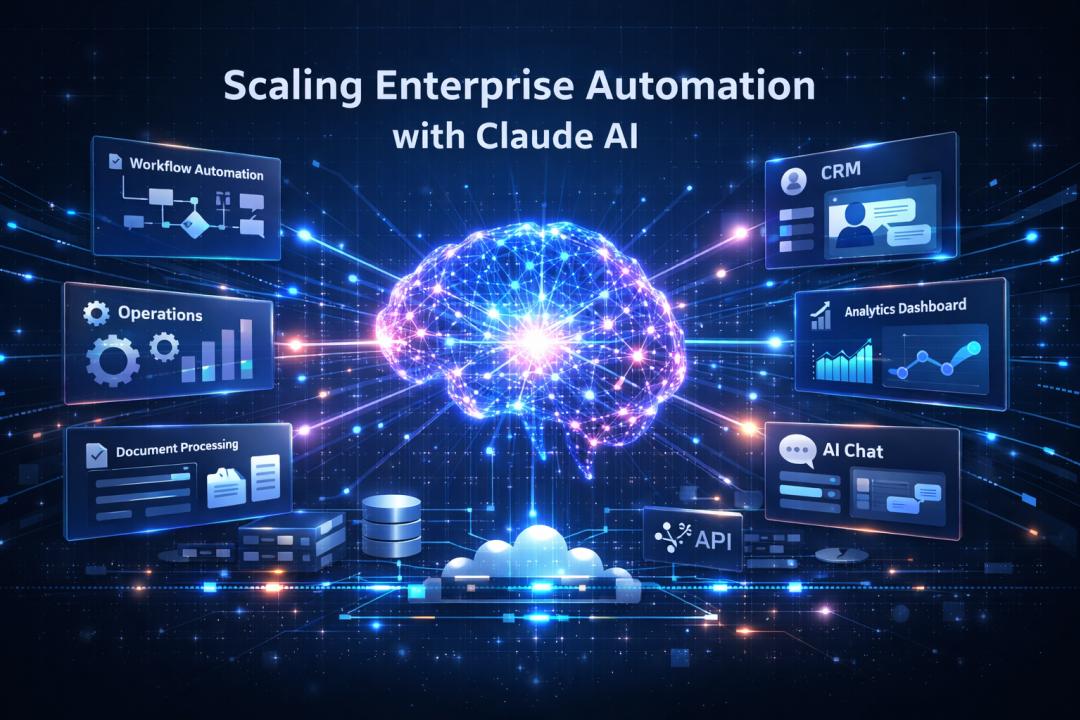
Artificial intelligence has become a cornerstone of enterprise innovation. Organizations that once relied on traditional automation and rule-based software are now exploring advanced AI technologies capable of interpreting language, analyzing complex information, and supporting decision-making processes. As enterprises continue to digitize their operations, intelligent automation is rapidly becoming a strategic requirement rather than a competitive advantage.
Among the new generation of large language models transforming enterprise technology is Claude AI. Designed for sophisticated reasoning and natural language understanding, Claude AI enables businesses to build intelligent systems that streamline communication, automate workflows, and enhance productivity across departments.
Enterprises are increasingly adopting Claude AI solutions for business to address operational challenges such as managing large volumes of data, improving customer interactions, and enabling employees to access information more efficiently. However, implementing AI successfully requires a structured approach that combines advanced technology with practical integration strategies.
This article explores how enterprises can scale automation with Claude AI, the architectural components required for enterprise deployment, and the role of professional development services in building reliable AI-powered systems.
The Evolution of Enterprise Automation
Automation has existed in enterprise environments for decades, primarily through workflow management tools and enterprise software systems. Traditional automation platforms focused on repetitive tasks such as data entry, transaction processing, and report generation.
While these systems improved efficiency, they were limited by rigid rules and predefined processes. They could not interpret context, adapt to new information, or interact naturally with users.
The emergence of AI-powered automation has dramatically changed this landscape. AI systems can now analyze unstructured data, understand natural language, and generate intelligent responses that support both operational tasks and strategic decision-making.
Claude AI represents a significant advancement in this evolution. Its ability to process complex instructions and maintain conversational context enables enterprises to move beyond simple task automation toward intelligent digital workflows.
Organizations implementing Claude AI solutions for business are building systems that not only execute tasks but also assist employees in solving problems and accessing knowledge more efficiently.
Why Claude AI Is Gaining Enterprise Adoption
Several factors are driving enterprise interest in Claude AI. Unlike traditional automation technologies, Claude AI is capable of handling nuanced interactions and analyzing large volumes of information with contextual understanding.
Businesses benefit from Claude AI’s ability to interpret long-form content, summarize complex documents, and provide insights that support operational decisions. These capabilities make it particularly useful in environments where teams rely heavily on documentation, communication, and data analysis.
Another reason for its adoption is its versatility. Claude AI can support multiple business functions, including customer engagement, internal knowledge management, and workflow automation.
Organizations are integrating AI capabilities into existing digital infrastructure to improve efficiency while maintaining operational continuity.
Core Components of a Claude AI Enterprise Architecture
Successfully implementing AI in enterprise environments requires more than simply deploying a language model. Organizations must design an architecture that allows AI systems to interact with business data, applications, and workflows.
A typical enterprise AI framework built around Claude AI includes several key components.
AI interaction layer
This is the interface where users communicate with the AI system. It may include chat interfaces, voice assistants, or embedded AI tools within enterprise software platforms.
Data integration layer
Claude AI must access relevant business information to generate accurate responses. Integration with CRM systems, document repositories, and analytics platforms enables AI systems to retrieve and process data effectively.
Workflow automation layer
This layer connects AI insights to operational processes. For example, an AI assistant might analyze a customer request and trigger an automated workflow in a helpdesk platform.
Governance and security layer
Enterprises must implement controls that regulate how AI interacts with sensitive information. Access management, encryption, and monitoring mechanisms ensure compliance with security standards.
Organizations often rely on Claude AI integration & development services to design and implement these architectural components effectively.
Transforming Customer Experience with AI
Customer experience has become a defining factor for business growth in digital markets. Consumers expect fast responses, personalized service, and seamless interactions across multiple channels.
Claude AI enables businesses to create intelligent conversational systems capable of handling complex customer interactions. AI assistants can interpret inquiries, retrieve relevant information, and generate responses that reflect contextual understanding.
These systems help organizations deliver consistent service while reducing operational costs associated with large support teams.
Key applications of Claude AI in customer engagement include:
- Automated responses to common customer inquiries
- Personalized product or service recommendations
- Guided troubleshooting and technical support
- Intelligent routing of complex issues to human agents
By integrating AI-powered communication platforms through Claude AI solutions for business, companies can scale customer support while maintaining service quality.
Enhancing Employee Productivity Through AI Assistance
Internal productivity is another major area where AI technologies deliver measurable value. Employees often spend significant time searching for information, reviewing documents, and preparing reports.
Claude AI can act as a digital assistant that simplifies these tasks. Employees can ask the AI to summarize documents, generate draft reports, or retrieve relevant information from internal databases.
This reduces time spent on administrative work and allows employees to focus on strategic and creative tasks.
Examples of AI-assisted productivity improvements include:
- Summarizing meeting transcripts or project documentation
- Drafting internal communications and reports
- Retrieving policy or compliance information from knowledge bases
- Supporting research tasks by analyzing multiple information sources
Organizations that implement Claude AI solutions for business often see improved collaboration and faster information access across teams.
AI-Powered Knowledge Management
Large organizations maintain extensive documentation covering policies, technical specifications, training materials, and operational guidelines. Managing and accessing this information efficiently is a persistent challenge.
Claude AI can transform traditional knowledge repositories into intelligent information systems. Instead of navigating complex document structures, employees can interact with AI assistants that provide direct answers to their queries.
For example, a customer support representative might ask the AI assistant about troubleshooting procedures for a product issue. The AI system retrieves relevant documentation and presents concise guidance.
This approach reduces time spent searching for information and ensures that employees have access to accurate and up-to-date knowledge.
Businesses deploying Claude AI integration & development services often prioritize knowledge management systems as an early use case because of their immediate productivity benefits.
Data Analysis and Strategic Insights
Data analysis remains a cornerstone of modern business strategy. Organizations rely on analytics tools to track performance metrics, identify trends, and evaluate operational outcomes.
Claude AI enhances traditional analytics by interpreting data and presenting insights in a narrative format that is easier for stakeholders to understand.
For example:
- Marketing teams can receive summaries of campaign performance metrics
- Operations teams can analyze productivity data across departments
- Financial teams can review AI-generated explanations of financial trends
By converting complex datasets into understandable insights, Claude AI enables faster decision-making and improves collaboration between technical and non-technical teams.
Enterprises implementing Claude AI solutions for business are increasingly combining AI-powered analytics with traditional data platforms to create more accessible reporting systems.
Workflow Automation with Intelligent AI Agents
One of the most powerful applications of Claude AI in enterprise environments is the development of intelligent AI agents. These agents can automate multi-step workflows by interacting with multiple business systems.
AI agents are capable of retrieving information, executing tasks, and generating outputs without requiring constant human oversight.
Examples of enterprise AI agent use cases include:
- Monitoring incoming support requests and categorizing them automatically
- Generating operational reports using data from multiple systems
- Assisting HR teams with resume screening and recruitment analysis
- Tracking project updates and summarizing progress reports
Enterprises often collaborate with providers offering chatbot development and AI development services to design AI agents tailored to specific operational requirements.
Security and Compliance Considerations
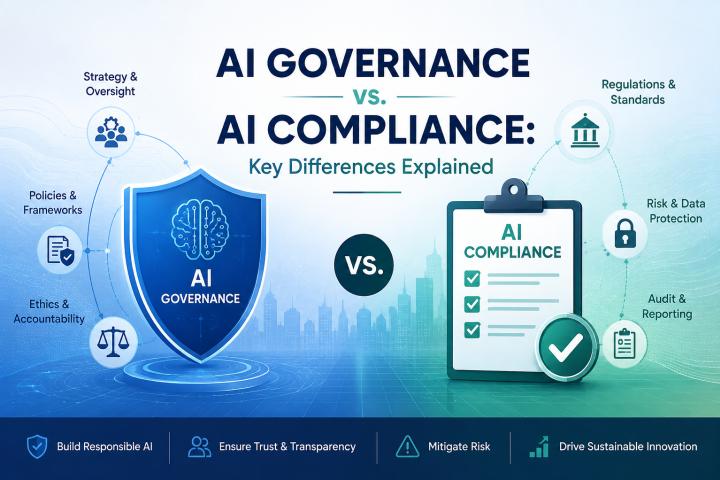
As organizations integrate AI technologies into their operations, security and governance become critical priorities. AI systems frequently interact with sensitive data, making it essential to implement robust safeguards.
Enterprises must ensure that AI platforms operate within clearly defined boundaries and comply with regulatory requirements.
Important governance measures include:
- Implementing role-based access controls
- Encrypting data exchanges between systems
- Monitoring AI outputs for accuracy and compliance
- Establishing policies for responsible AI usage
Working with experienced development teams helps organizations implement these safeguards effectively while maintaining operational efficiency.
Industry Applications of Claude AI
Claude AI’s adaptability allows it to support a wide range of industry applications. Different sectors are leveraging its capabilities to address unique operational challenges.
Healthcare
Healthcare organizations use AI assistants to manage patient inquiries, summarize clinical documentation, and streamline administrative workflows.
Finance
Financial institutions deploy AI systems for document analysis, fraud detection, and automated customer support.
E-commerce
Retail companies integrate AI chat assistants into their platforms to improve product discovery, handle customer inquiries, and support order management.
Technology and SaaS
Software companies use AI-powered tools to assist with developer documentation, onboarding processes, and customer success management.
Across these industries, Claude AI solutions for business are helping organizations build more responsive and efficient digital infrastructures.
Strategic Benefits of Claude AI for Enterprises
Enterprises implementing Claude AI technologies often experience improvements across several key performance indicators.
Some of the most significant benefits include:
- Faster access to information across departments
- Reduced operational costs through automation
- Improved customer engagement and response times
- Enhanced decision-making through AI-driven insights
- Increased scalability of digital services
These advantages make AI-powered systems an essential component of long-term digital transformation strategies.
The Role of Professional AI Development Services
While AI platforms are becoming increasingly accessible, deploying enterprise-grade solutions requires specialized expertise. Businesses must address challenges related to system integration, data management, and workflow optimization.
Professional development teams help organizations design AI architectures that align with operational goals and technology infrastructure.
By leveraging Claude AI integration & development services, enterprises can accelerate deployment timelines while ensuring their AI systems are secure, scalable, and aligned with business objectives.
These partnerships also allow organizations to continuously refine and improve their AI capabilities as new technologies emerge.
Future Trends in Enterprise AI Systems
AI adoption is expected to continue accelerating as enterprises recognize the strategic value of intelligent automation.
Future enterprise systems will likely combine multiple AI technologies, including conversational interfaces, predictive analytics, and autonomous agents. These systems will operate as integrated ecosystems that support complex workflows and real-time decision-making.
Claude AI is well positioned to play a central role in this transformation due to its ability to interpret complex language and generate context-aware responses.
Organizations that invest in AI infrastructure today will be better prepared to adopt future innovations and maintain competitive advantages in increasingly digital markets.
Conclusion
The integration of AI technologies into enterprise operations is no longer a theoretical concept but a practical necessity for organizations seeking efficiency, scalability, and innovation. Claude AI provides enterprises with a powerful platform for building intelligent systems capable of automating communication, enhancing productivity, and supporting data-driven decision-making.
However, the successful implementation of AI requires thoughtful planning, robust architecture, and professional integration expertise. Businesses that adopt Claude AI solutions for business and collaborate with providers offering Claude AI integration & development services can unlock substantial operational value while preparing their organizations for the next generation of intelligent enterprise technologies.
As digital transformation continues to reshape global industries, enterprises that embrace AI-powered automation will be better positioned to lead in an increasingly competitive and technology-driven business environment.