Modern enterprise networks require strong identity-based security controls to protect users, devices, and applications from evolving cyber threats. As organizations expand across cloud, hybrid, and remote environments, many professionals pursue Cisco ISE Training to understand how identity and access policies can be effectively enforced at scale.
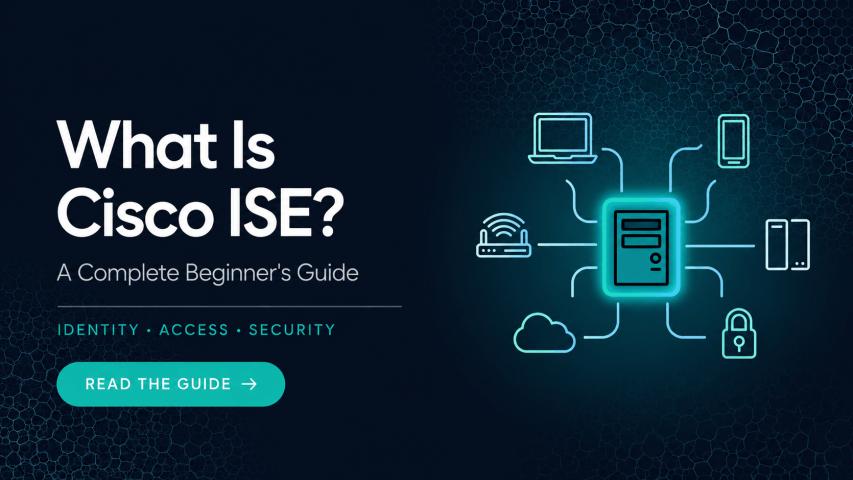
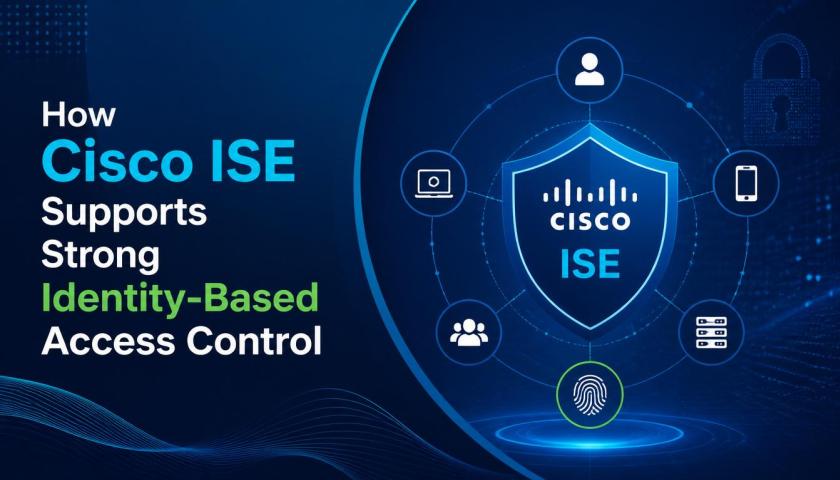
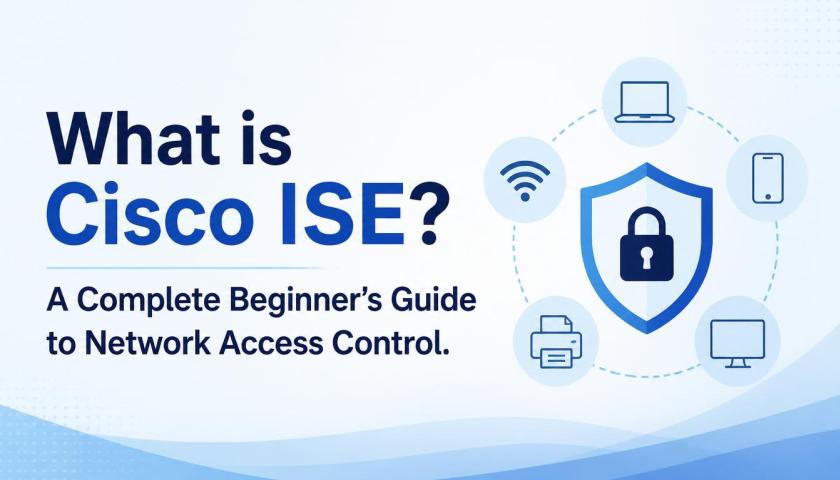
Cisco ISE (Identity Services Engine) is a centralized network access control solution that helps organizations enforce security policies, manage device identities, and improve visibility across enterprise networks. It plays a crucial role in strengthening zero-trust architectures and ensuring secure access to network resources.
Understanding Cisco ISE
Cisco ISE is a policy-based access control platform designed to provide secure network access based on user identity and device compliance.
Core Purpose of Cisco ISE
Cisco ISE helps organizations:
Authenticate users and devices
Enforce access control policies
Monitor network activity
Improve endpoint visibility
Support compliance requirements
Importance in Modern Networks
With increasing remote access and BYOD (Bring Your Own Device) environments, traditional perimeter-based security is no longer sufficient. Cisco ISE enables identity-centric security that adapts to modern enterprise needs.
How Cisco ISE Works
Cisco ISE acts as a centralized solution for managing authentication, authorization, and accounting.
Authentication Process
Cisco ISE verifies the identity of users and devices before granting access.
Key Authentication Methods
802.1X authentication
MAC Authentication Bypass (MAB)
Web authentication (Guest access)
Authorization Process
After authentication, Cisco ISE determines what level of access is permitted.
Policy Enforcement Actions
Allow full access
Restrict access to specific resources
Redirect users to guest portals
Quarantine non-compliant devices
Accounting and Monitoring
Cisco ISE tracks user activity and logs network events for auditing and compliance.
Key Features of Cisco ISE
Identity-Based Access Control
Cisco ISE ensures access is granted based on user identity rather than just IP address.
Benefits
Improved security accuracy
Reduced unauthorized access
Better user accountability
Device Profiling
Cisco ISE can identify and classify devices connected to the network.
Device Types Identified
Laptops
Mobile devices
IoT devices
Printers
Guest Access Management
Cisco ISE allows regulated access for guests and outside users.
Features
Self-registration portals
Time-limited access
Policy-based restrictions
Posture Assessment
Cisco ISE checks device compliance before allowing access.
Compliance Checks
Antivirus status
Operating system updates
Firewall configuration
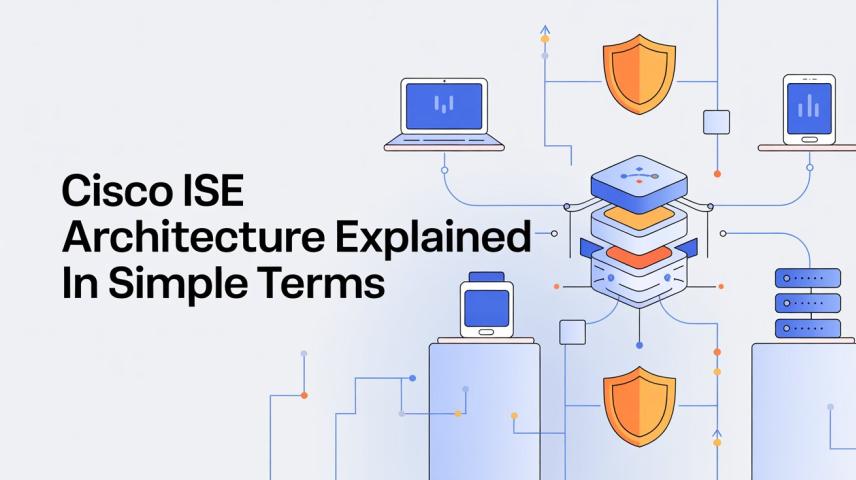
Cisco ISE Architecture
Cisco ISE is built on a distributed architecture that supports scalability and high availability.
Policy Administration Node (PAN)
The PAN is responsible for:
Policy configuration
System management
Administrative control
Policy Service Node (PSN)
The PSN handles:
Authentication requests
Authorization decisions
Policy enforcement
Monitoring Node (MnT)
The MnT provides:
Logging and reporting
Network activity tracking
Compliance auditing
Role of Cisco ISE in Enterprise Security
Cisco ISE plays a central role in implementing modern security frameworks.
Zero Trust Security Model
Cisco ISE supports zero trust by ensuring:
Continuous verification
Least privilege access
Strict identity validation
Network Segmentation
Cisco ISE enables segmentation by assigning users and devices to specific network segments.
Benefits
Reduced attack surface
Improved traffic control
Enhanced security isolation
BYOD Security
Cisco ISE manages personal devices securely in enterprise environments.
Controls
Device registration
Policy enforcement
Access limitations
Cisco ISE Deployment Models
On-Premises Deployment
Cisco ISE is set up inside the enterprise data center.
Advantages
Full control over infrastructure
Enhanced customization
Strong internal security
Cloud-Based Deployment
Cisco ISE can be integrated with cloud environments.
Advantages
Scalability
Remote accessibility
Reduced infrastructure overhead
Hybrid Deployment
Combines on-premises and cloud environments for flexibility.
Benefits
Optimized performance
Better resource management
Increased resilience
Cisco ISE Integration with Other Technologies
Integration with Network Devices
Cisco ISE works with:
Switches
Routers
Wireless controllers
Firewalls
Integration with Active Directory
Cisco ISE integrates with directory services for user authentication.
Benefits
Centralized identity management
Simplified access control
Improved security consistency
Integration with Endpoint Security Tools
Cisco ISE works with security tools to assess endpoint health and compliance.
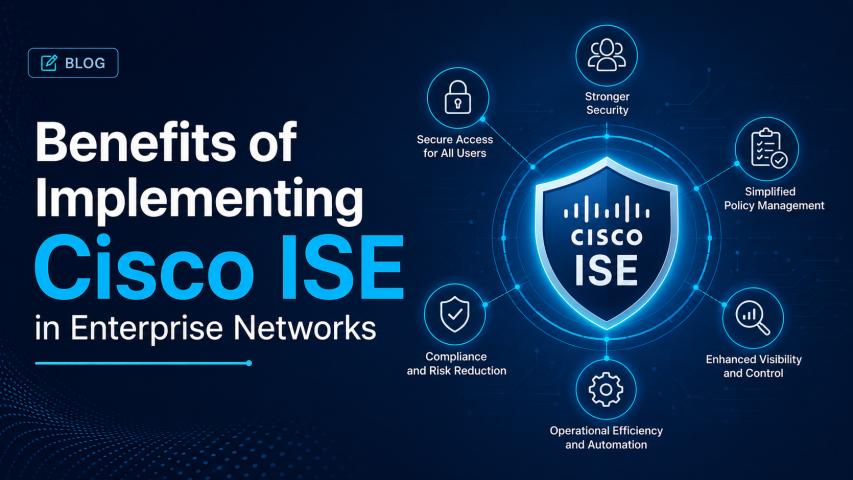
Benefits of Cisco ISE in Enterprise Networks
Enhanced Security
Cisco ISE improves network protection by reducing unauthorized access.
Improved Visibility
Organizations gain better insight into:
Connected devices
User activity
Network behavior
Simplified Policy Management
Centralized policies make it easier to manage large networks.
Compliance Support
Cisco ISE helps organizations meet regulatory requirements through detailed reporting.
Cisco ISE Use Cases
Enterprise Network Access Control
Ensures only authorized users can access internal systems.
Secure Remote Access
Provides secure connectivity for remote employees.
IoT Device Management
Helps manage and secure large-scale IoT deployments.
Guest Network Access
Enables secure and controlled access for visitors.
Common Challenges in Cisco ISE Deployment
Complex Configuration
Initial setup requires careful planning and expertise.
Integration Issues
Integration with existing infrastructure may be complex.
Policy Management Overhead
Large organizations may face challenges in managing policies at scale.
Best Practices for Cisco ISE Implementation
Define Clear Policies
Establish well-defined access control policies before deployment.
Regular Monitoring
Continuously monitor network activity for anomalies.
Device Profiling Accuracy
Ensure accurate classification of devices for better security enforcement.
Scalable Architecture Design
Design the deployment to support future growth.
Career Opportunities with Cisco ISE Skills
Job Roles
Network Security Engineer
Identity and Access Management Specialist
Security Architect
Network Administrator
Industry Demand
Organizations across industries require professionals skilled in identity-based security solutions.
Future of Identity-Based Network Security
Rise of Zero Trust Models
Enterprise security will increasingly be built around identity-based access.
AI-Driven Security
Artificial intelligence will enhance threat detection and response.
Cloud-Native Security Solutions
Cisco ISE will continue evolving with cloud-based environments.
Conclusion
Cisco ISE is a powerful identity-based network security solution that helps organizations enforce access control, improve visibility, and strengthen overall enterprise security. By implementing structured policies and integrating with existing infrastructure, businesses can achieve stronger protection against modern threats. With growing demand for identity-driven security, Cisco ISE Training plays an important role in helping professionals build expertise in advanced network security technologies.