Enterprise networks have become increasingly complex as organizations adopt cloud services, remote work models, and connected devices. Managing user access, maintaining security, and ensuring compliance across these environments can be challenging. Cisco ISE plays a critical role in helping organizations address these challenges through centralized identity and access management.
Modern enterprises require solutions that can authenticate users, enforce security policies, and provide visibility into network activities. Cisco ISE offers a comprehensive framework that enables organizations to control who can access network resources and under what conditions. By integrating identity-based security into the network infrastructure, businesses can strengthen protection while improving operational efficiency.
Understanding Cisco ISE
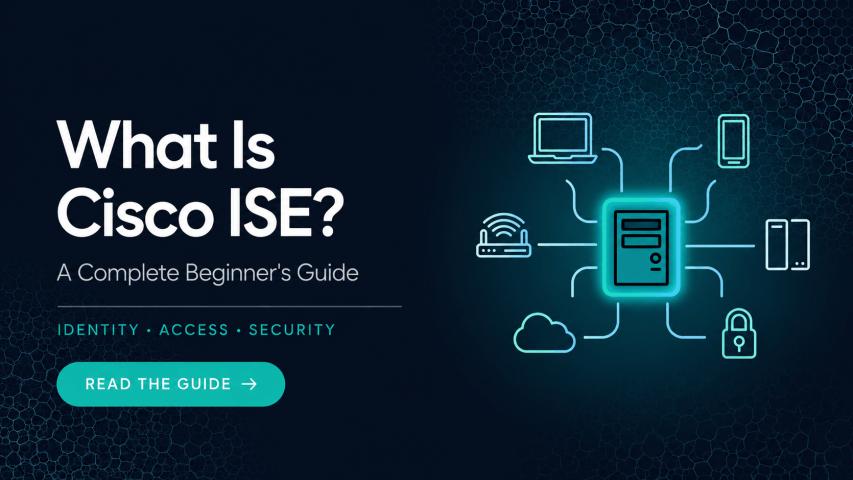
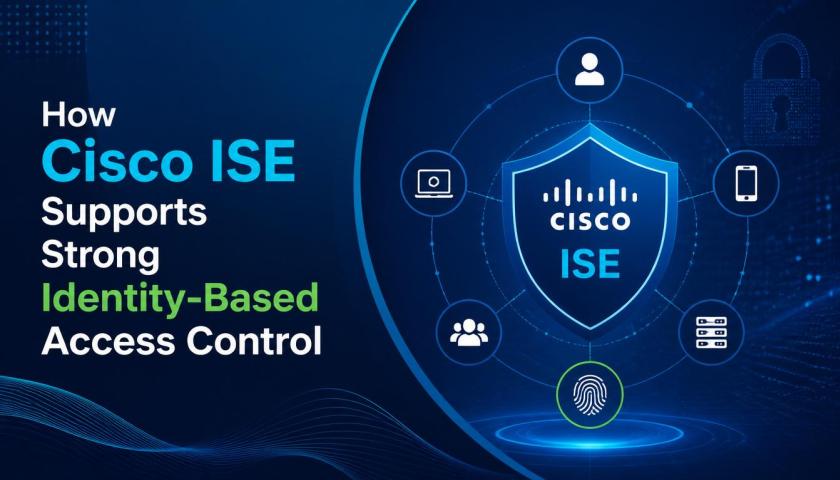
Cisco Identity Services Engine (ISE) is a centralized network security platform designed to provide authentication, authorization, and accounting (AAA) services. It enables organizations to manage user identities, device access, and security policies from a single platform.
Cisco ISE helps organizations establish trust across users, devices, applications, and network resources. By leveraging contextual information such as user identity, device type, location, and security posture, organizations can make informed access decisions and maintain a secure network environment.
Why Enterprise Networks Need Identity-Based Security
Traditional network security approaches primarily depended on perimeter-based defenses, operating under the assumption that users and devices within the network could be trusted. However, today's distributed environments require more dynamic security approaches.
Identity-based security allows organizations to verify users and devices before granting access. This approach reduces the risk of unauthorized access and supports modern security frameworks such as Zero Trust.
Organizations benefit from:
Improved access control
Enhanced visibility into network activity
Reduced security risks
Better compliance management
Simplified administration
Centralized Access Control Management
Simplified Policy Administration
One of the primary benefits of Cisco ISE is centralized policy management. Network administrators can define and enforce security policies from a single platform rather than configuring policies across multiple devices.
This centralized approach helps ensure consistency throughout the organization while reducing administrative complexity.
Consistent Security Enforcement
With centralized policy control, organizations can apply the same security standards across wired, wireless, and VPN connections. This consistency minimizes configuration errors and helps maintain a uniform security posture.
Enhanced User Authentication
Strong Identity Verification
Cisco ISE supports multiple authentication methods, including:
Username and password authentication
Multi-factor authentication (MFA)
Certificate-based authentication
Guest authentication services
These authentication mechanisms help verify user identities before network access is granted.
Improved Security for Remote Workers
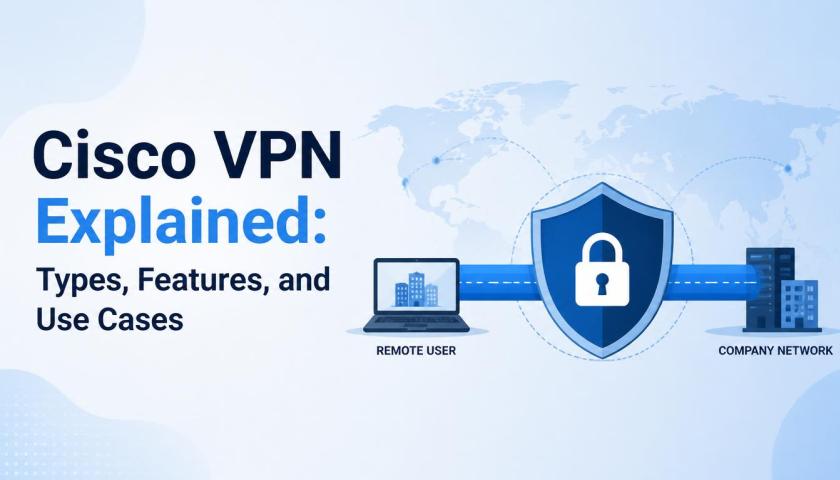
As remote work continues to grow, organizations need secure methods to authenticate employees accessing corporate resources from various locations. Cisco ISE helps validate user identities and enforce security requirements regardless of where users connect.
Dynamic Authorization and Access Control
Role-Based Access Policies
Cisco ISE enables organizations to implement role-based access control (RBAC). Access permissions can be assigned based on user roles, departments, job functions, or other business requirements.
For example:
Employees receive access to internal resources
Contractors receive limited access
Guests receive internet-only access
This granular approach improves security while ensuring users have appropriate access levels.
Context-Aware Security Decisions
Cisco ISE evaluates multiple factors before granting network access, including:
User identity
Device type
Device compliance status
Connection location
Time of access
By considering contextual information, organizations can implement more intelligent security controls.
Improved Network Visibility
Comprehensive Device Identification
Enterprise networks often contain a wide range of devices, including laptops, smartphones, tablets, printers, and IoT devices. Cisco ISE provides visibility into these connected endpoints and helps identify what devices are accessing the network.
This visibility enables organizations to maintain accurate device inventories and improve network management.
Real-Time Monitoring
Administrators can monitor user and device activities in real time, helping them quickly identify unusual behavior and potential security incidents.
Enhanced visibility supports proactive security management and faster incident response.
Facilitating Secure BYOD Adoption in Enterprises
Secure Device Onboarding
Many companies enable workers to perform job-related activities using their personal devices. Cisco ISE simplifies the onboarding process while maintaining security standards.
Users can securely register their devices, and administrators can apply appropriate security policies automatically.
Controlled Access for Personal Devices
Organizations can define access levels based on device ownership and security status. Personal devices may receive limited access, while corporate-managed devices receive broader permissions.
This approach helps balance productivity and security.
Strengthening Zero Trust Security
Verifying Every Access Request
Zero Trust security frameworks mandate ongoing validation of users and devices before granting access. Cisco ISE supports this approach by validating identities and enforcing policies before granting network access.
Rather than assuming trust, every connection request is evaluated against established security requirements.
Reducing Attack Surfaces
By limiting access to only authorized users and compliant devices, organizations can significantly reduce their attack surface and minimize opportunities for cyber threats.
Integration with Security Ecosystems
Enhanced Threat Response
Cisco ISE integrates with various security technologies to improve threat detection and response capabilities. Security tools can share information and coordinate actions when suspicious activities are detected.
This integration enables automated security workflows that help reduce response times.
Unified Security Operations
Organizations can create a more cohesive security environment by connecting network access control with broader security operations. This improves visibility and streamlines incident management processes.
Simplified Guest Access Management
Secure Visitor Connectivity
Businesses frequently need to provide network access to visitors, customers, partners, and contractors. Cisco ISE offers guest access capabilities that allow organizations to grant temporary network access securely.
Guest users can be authenticated through customized portals and assigned specific access permissions.
Reduced Administrative Burden
Automated guest management processes help reduce the workload on IT teams while improving the user experience for visitors.
Compliance and Regulatory Benefits
Improved Audit Readiness
Many industries must comply with strict regulatory requirements regarding access control and data protection. Cisco ISE helps organizations maintain detailed logs and reports that support compliance efforts.
These records can be valuable during audits and security assessments.
Policy Enforcement
Consistent policy enforcement helps organizations demonstrate adherence to security standards and regulatory requirements.
This capability is particularly important in industries such as healthcare, finance, and government.
Operational Efficiency and Cost Savings
Automation of Security Tasks
Cisco ISE automates many access control and policy enforcement functions, reducing manual administrative tasks.
Automation benefits include:
Faster user provisioning
Reduced configuration errors
Streamlined device onboarding
Improved policy consistency
Lower Administrative Overhead
By centralizing network access management, organizations can reduce the time and resources required to maintain security operations.
This efficiency allows IT teams to focus on strategic initiatives rather than repetitive management tasks.
Scalability for Growing Enterprises
Supporting Business Expansion
As organizations grow, their network environments become more complex. Cisco ISE is designed to scale alongside business requirements, supporting increasing numbers of users, devices, and locations.
Flexible Deployment Options
Organizations can deploy Cisco ISE in various architectures to meet operational requirements and future growth objectives.
This flexibility makes it suitable for enterprises of different sizes and industries.
Best Practices for Successful Cisco ISE Deployment
Define Clear Access Policies
Organizations should establish clear access control policies before implementation. Defining user roles and security requirements helps ensure a smooth deployment process.
Conduct Thorough Testing
Testing policies and authentication workflows in controlled environments helps identify potential issues before production deployment.
Monitor and Optimize Continuously
Regular monitoring and policy reviews help organizations maintain security effectiveness and adapt to changing business requirements.
Conclusion
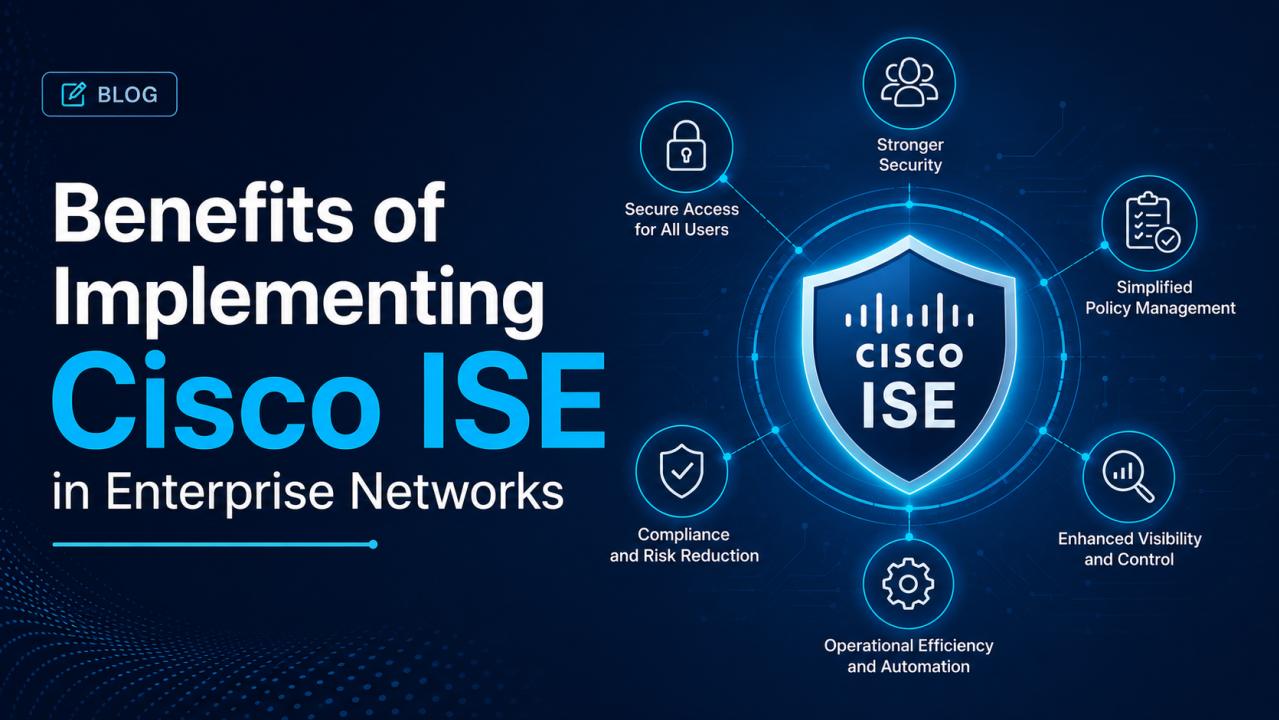
Implementing Cisco ISE in enterprise networks provides significant benefits for organizations seeking stronger security, improved visibility, and streamlined access management. From centralized policy enforcement and user authentication to BYOD support and Zero Trust security, Cisco ISE helps enterprises address modern networking challenges effectively.
As organizations continue to expand their digital environments, identity-based access control becomes increasingly important. By leveraging Cisco ISE, businesses can enhance network protection, improve operational efficiency, support compliance initiatives, and create a more secure foundation for future growth.