In today’s connected world, organizations need stronger ways to secure their networks while ensuring seamless access for authorized users and devices. As businesses adopt hybrid work environments, cloud applications, and IoT devices, network security has become more complex than ever.
Cisco ISE Training is often recommended for IT professionals who want to understand how modern network access control solutions help secure enterprise environments. Among these solutions, Cisco Identity Services Engine (ISE) stands out as one of the most widely used platforms for managing network access and enforcing security policies.
Understanding Cisco ISE
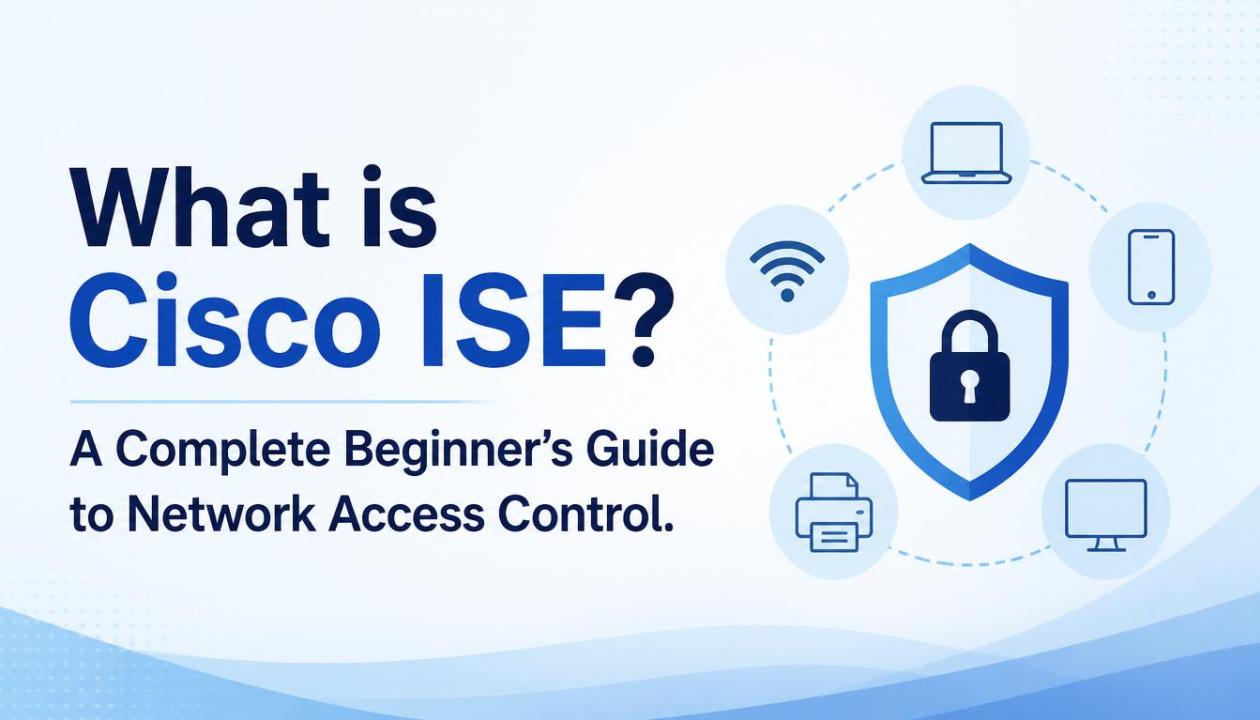
Cisco Identity Services Engine (ISE) is a network access control (NAC) solution developed by Cisco. It helps organizations control who and what can connect to their networks. By verifying user identities, device compliance, and security policies, Cisco ISE ensures that only authorized users and devices gain access to network resources.
At its core, Cisco ISE acts as a centralized policy management platform that provides visibility, control, and security across wired, wireless, and VPN connections.
Why Network Access Control Matters
Modern networks support a wide range of users and devices, including:
Employees
Contractors
Guests
Smartphones
Laptops
IoT devices
Printers and other endpoints
Without proper access control, unauthorized users or compromised devices can create significant security risks. Network Access Control (NAC) helps organizations:
Prevent unauthorized access
Enforce security policies
Improve network visibility
Reduce cybersecurity threats
Maintain regulatory compliance
Cisco ISE is designed to address these challenges through intelligent access management and policy enforcement.
How Cisco ISE Works
Cisco ISE operates by evaluating users and devices before granting access to the network.
Authentication
Authentication verifies the identity of a user or device attempting to connect. Cisco ISE supports multiple authentication methods, including:
Username and password
Digital certificates
Multi-factor authentication (MFA)
Machine authentication
Authorization
Once authentication is successful, Cisco ISE determines what level of access should be granted based on predefined policies.
Examples include:
Full access for employees
Limited access for contractors
Internet-only access for guests
Accounting
Cisco ISE logs user activities and network access events, providing administrators with detailed visibility into network usage and security incidents.
Key Features of Cisco ISE
Cisco ISE offers a wide range of features that make it a powerful NAC solution.
Centralized Policy Management
Administrators can create and manage security policies from a single dashboard. This simplifies policy enforcement across the entire network.
Device Profiling
Cisco ISE automatically identifies and classifies connected devices.
Examples include:
Desktop computers
Smartphones
Tablets
IP phones
IoT devices
This visibility helps organizations apply appropriate access controls.
Guest Access Management
Organizations often need to provide temporary access to visitors. Cisco ISE enables secure guest onboarding through customizable portals and self-registration options.
Bring Your Own Device (BYOD) Support
Many employees use personal devices for work. Cisco ISE helps organizations securely onboard and manage BYOD devices while maintaining security standards.
Posture Assessment
Cisco ISE can evaluate endpoint security status before granting access.
Checks may include:
Antivirus installation
Operating system updates
Firewall status
Security compliance requirements
Devices that fail security checks can be restricted or quarantined.
Threat Response Integration
Cisco ISE integrates with other Cisco security solutions to automate threat detection and response.
When suspicious activity is detected, Cisco ISE can automatically limit or revoke network access for affected devices.
Benefits of Cisco ISE
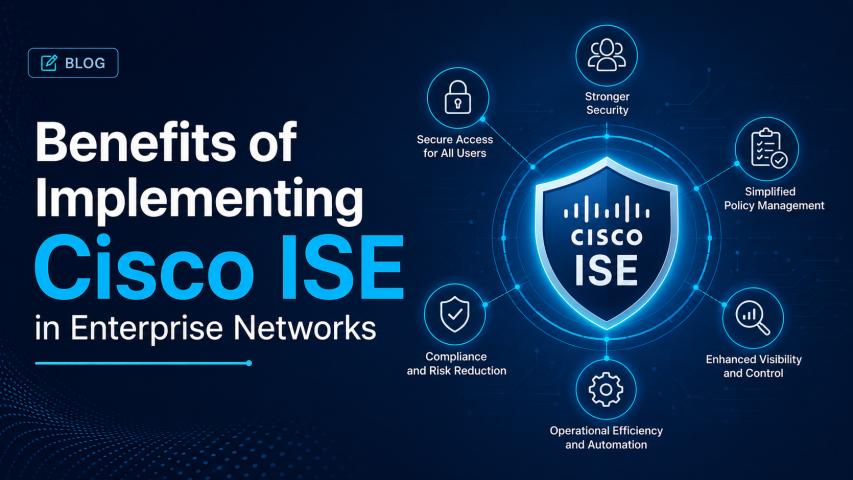
Organizations choose Cisco ISE because it offers numerous operational and security advantages.
Enhanced Security
By ensuring only authorized users and compliant devices can access the network, Cisco ISE significantly reduces security risks.
Improved Visibility
Administrators gain a comprehensive view of users, devices, and network activity from a centralized platform.
Simplified Compliance
Many industries require strict security controls. Cisco ISE helps organizations meet compliance requirements through detailed auditing and policy enforcement.
Better User Experience
Automated onboarding processes simplify network access for employees, guests, and contractors while reducing administrative workload.
Scalable Architecture
Cisco ISE can support organizations of varying sizes, from small businesses to large enterprises with thousands of users and devices.
Common Cisco ISE Use Cases
Cisco ISE is widely used across different industries and environments.
Enterprise Network Security
Large organizations use Cisco ISE to enforce access policies across corporate offices and remote locations.
Guest Wi-Fi Management
Hotels, universities, healthcare facilities, and businesses use Cisco ISE to provide secure guest access.
BYOD Programs
Organizations implementing BYOD initiatives rely on Cisco ISE to maintain security while supporting personal devices.
IoT Device Security
As IoT adoption increases, Cisco ISE helps identify and control access for connected devices that may not support traditional security mechanisms.
Remote Access Control
Cisco ISE supports secure VPN access for remote employees and contractors.
Cisco ISE Components
Understanding the major components of Cisco ISE helps beginners grasp how the platform functions.
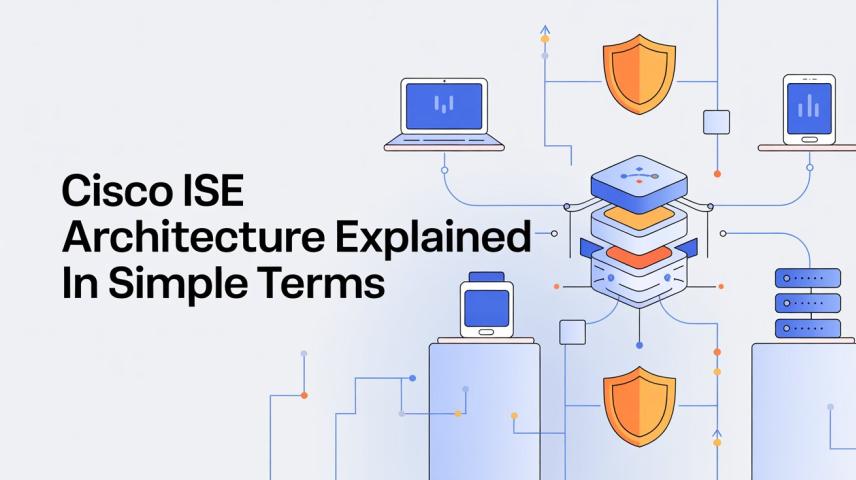
Policy Administration Node (PAN)
The PAN is responsible for policy configuration and centralized administration.
Policy Service Node (PSN)
The PSN handles authentication, authorization, and accounting requests from users and devices.
Monitoring and Troubleshooting Node (MnT)
The MnT node collects logs, generates reports, and provides troubleshooting tools for administrators.
Cisco ISE Deployment Models
Organizations can deploy Cisco ISE in different ways depending on their needs.
Standalone Deployment
Suitable for smaller environments where all functions run on a single node.
Distributed Deployment
Designed for larger organizations that require scalability and high availability.
Virtual Deployment
Cisco ISE can be deployed as a virtual appliance in modern data center environments.
Challenges Organizations May Face
While Cisco ISE offers significant benefits, organizations should also consider potential challenges.
Initial Configuration Complexity
Cisco ISE includes numerous features and policy options, which may require careful planning and expertise.
Integration Requirements
Successful deployment often involves integration with:
Active Directory
Network infrastructure
Security platforms
Authentication services
Ongoing Policy Management
Security policies must be regularly reviewed and updated to address changing business and security requirements.
Best Practices for Cisco ISE Implementation
To maximize the effectiveness of Cisco ISE, organizations should follow several best practices.
Define Clear Access Policies
Establish well-documented policies before deployment.
Segment Network Access
Apply different access levels based on user roles and device types.
Regularly Review Security Policies
Continuous policy evaluation helps maintain strong security posture.
Monitor Network Activity
Use reporting and monitoring tools to identify anomalies and potential threats.
Train IT Teams
Proper training ensures administrators can effectively manage and optimize Cisco ISE deployments.
Conclusion
Cisco Identity Services Engine (ISE) is a comprehensive network access control solution that helps organizations secure their networks, manage user access, and improve visibility across connected devices. Through features such as authentication, authorization, device profiling, guest access management, and posture assessment, Cisco ISE plays a critical role in modern cybersecurity strategies.
For professionals looking to build expertise in network security and access control technologies, enrolling in a Cisco ISE Course can provide valuable knowledge and practical skills for implementing and managing secure enterprise networks.