Introduction to Modern Identity-Based Security
Enterprise networks today are more distributed and complex than ever before, with users accessing resources from multiple devices, locations, and cloud environments. This shift has made traditional perimeter-based security models less effective, requiring organizations to adopt identity-centric approaches.
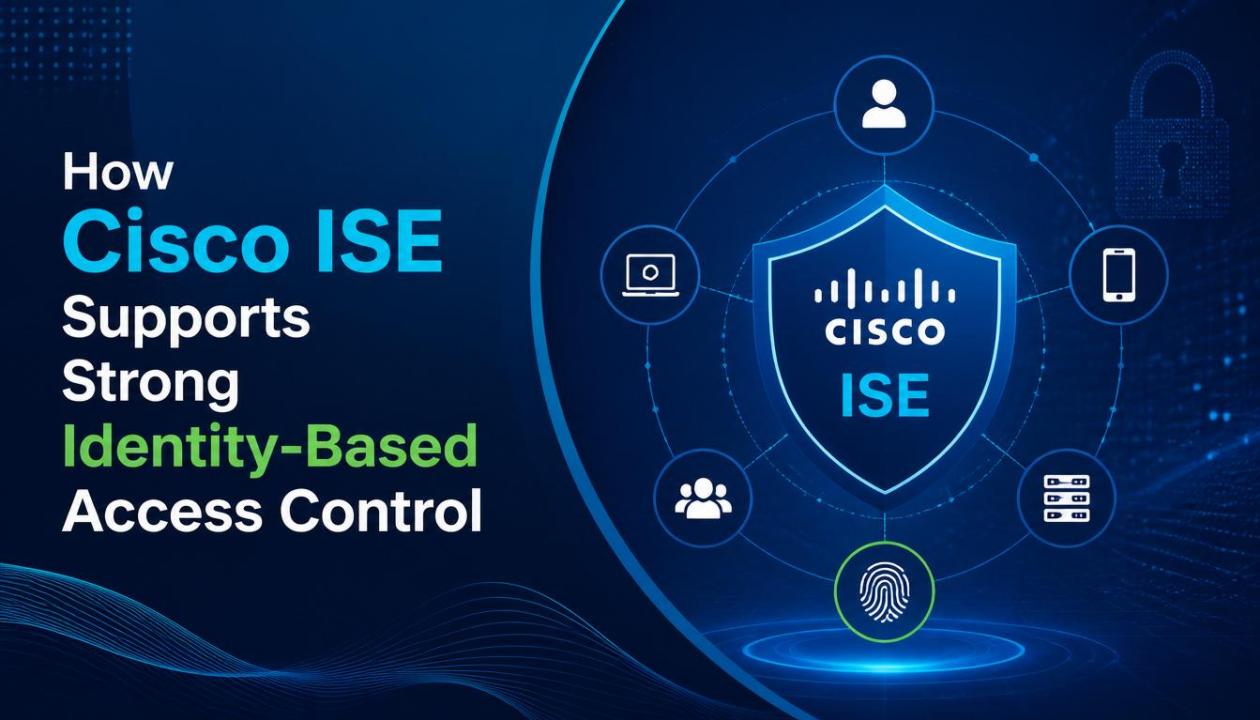
In this evolving security landscape, Cisco ISE plays a crucial role in enabling organizations to implement strong identity-based access control across enterprise networks.
Understanding Identity-Based Access Control in Modern Enterprises
What Is Identity-Based Access Control?
Identity-Based Access Control (IBAC) is a security approach that grants or restricts access to network resources based on the verified identity of a user or device rather than just network location.
Key principles include:
User identity verification
Device authentication
Role-based access policies
Context-aware decision making
This approach ensures that access is granted only to trusted users under defined conditions.
Why Legacy Security Models Are No Longer Sufficient
Traditional perimeter-based security models assume that everything inside the network is trusted. However, modern IT environments have invalidated this assumption due to:
Remote and hybrid work environments
Cloud-based application usage
BYOD (Bring Your Own Device) adoption
Increasing cyber threats
Distributed enterprise networks
These factors require more dynamic and identity-driven security controls.
Role of Cisco ISE in Identity-Based Access Control
Centralized Policy Enforcement
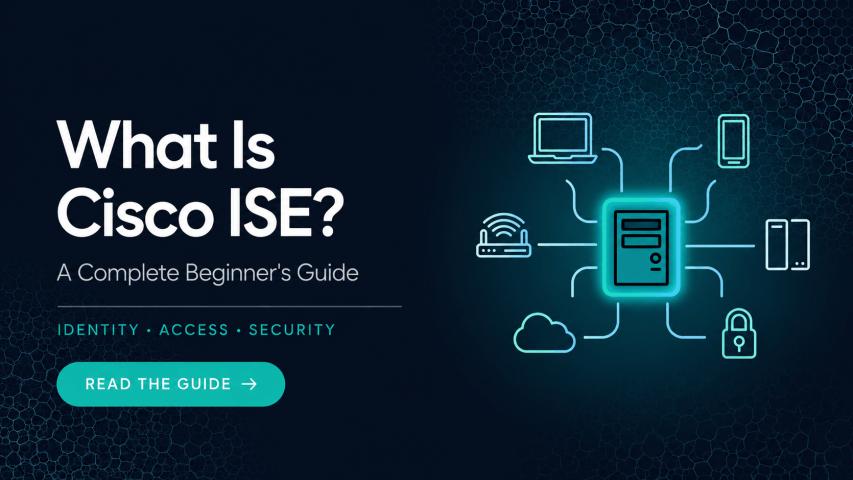
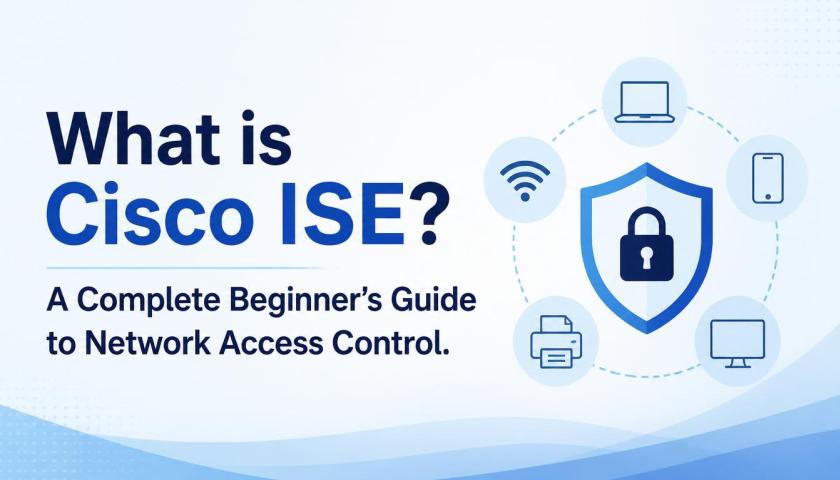
Cisco Identity Services Engine (ISE) acts as a centralized policy engine that enables organizations to define and enforce access control rules across the entire network.
It helps organizations:
Manage user identities and device profiles
Apply consistent access policies
Enforce security standards across endpoints
Control network access in real time
This centralized approach simplifies security management.
Context-Aware Access Decisions
One of the key strengths of Cisco ISE is its ability to make context-aware access decisions.
It evaluates multiple factors such as:
User identity
Device type and posture
Location of access request
Time of access
Security compliance status
This makes access decisions adaptive and risk-aware.
Core Components of Cisco ISE Architecture
Policy Administration Node (PAN)
The Policy Administration Node is responsible for managing configurations and policies.
Its functions include:
Defining access control policies
Managing user identities
Configuring authentication rules
Coordinating system settings
Policy Service Node (PSN)
The Policy Service Node handles authentication and authorization requests.
Key responsibilities include:
Processing access requests
Enforcing security policies
Communicating with identity stores
Providing real-time access decisions
Monitoring and Troubleshooting Node (MnT)
The Monitoring and Troubleshooting Node provides visibility into network activity.
It helps organizations:
Track user activity
Generate security reports
Monitor system performance
Troubleshoot access issues
How Cisco ISE Enhances Network Security
Strong User Authentication Mechanisms
Cisco ISE supports multiple authentication methods to ensure secure access control.
These include:
802.1X authentication
Multi-factor authentication
Certificate-based authentication
Active Directory integration
This ensures only verified users can access network resources.
Role-Based Access Control (RBAC)
Role-based access control allows organizations to assign permissions based on user roles.
Benefits include:
Simplified access management
Reduced security risks
Consistent policy enforcement
Improved operational efficiency
Users receive access only to resources relevant to their roles.
Device Profiling and Posture Assessment
Cisco ISE evaluates device compliance before granting access.
It checks:
Device type and operating system
Security patch status
Antivirus and endpoint protection
Configuration compliance
This ensures that only secure devices connect to the network.
Network Segmentation and Policy Enforcement
Micro-Segmentation of Network Access
Cisco ISE enables network segmentation based on identity and context.
It helps organizations:
Isolate sensitive resources
Limit lateral movement of threats
Apply granular access controls
Enhance overall security posture
Dynamic Access Control Policies
Policies in Cisco ISE are dynamic and adaptive.
They allow organizations to:
Modify access based on risk level
Apply different rules for different users
Adjust permissions in real time
Enforce compliance automatically
This improves flexibility and security.
Supporting Zero Trust Architecture
Identity as the New Security Perimeter
Zero Trust security models assume that no user or device is inherently trusted.
Cisco ISE supports this by:
Continuously verifying identities
Enforcing strict access controls
Monitoring user behavior
Applying least privilege principles
Continuous Monitoring and Verification
Access is not granted once and forgotten; it is continuously evaluated.
Cisco ISE ensures:
Ongoing device compliance checks
Real-time policy enforcement
Continuous authentication validation
Immediate response to security risks
Integration with Enterprise Security Ecosystem
Integration with Network Devices
Cisco ISE integrates with:
Switches
Routers
Wireless access points
Firewalls
This enables consistent policy enforcement across the network.
Integration with Security Tools
It also integrates with security platforms such as:
SIEM systems
Endpoint protection tools
Threat intelligence platforms
Cloud security solutions
This creates a unified security ecosystem.
Benefits of Cisco ISE for Enterprises
Improved Security Posture
Cisco ISE significantly strengthens enterprise security by:
Reducing unauthorized access
Enhancing visibility into network activity
Enforcing strict identity controls
Preventing security breaches
Operational Efficiency
Automation and centralized control improve efficiency by:
Reducing manual configuration tasks
Simplifying policy management
Streamlining access provisioning
Improving incident response
Regulatory Compliance
Cisco ISE helps organizations meet compliance requirements by:
Enforcing security policies
Maintaining audit logs
Monitoring access activity
Supporting regulatory frameworks
Role of Cisco ISE in Hybrid and Cloud Environments
Securing Distributed Networks
Modern enterprises operate across hybrid environments that include on-premises and cloud systems.
Cisco ISE supports this by:
Managing centralized identity policies
Securing remote access connections
Enforcing consistent security rules
Monitoring distributed environments
Supporting Remote Workforces
With remote work becoming standard, secure access is essential.
Cisco ISE ensures:
Secure VPN authentication
Device compliance checks
Identity-based access control
Secure endpoint connections
Career Relevance of Cisco ISE Skills
High Demand for Identity Security Professionals
Organizations are increasingly hiring professionals skilled in identity-based security systems.
Common roles include:
Network Security Engineer
Identity and Access Management Specialist
Security Architect
Cybersecurity Analyst
Importance in Enterprise Security Careers
Cisco ISE expertise enhances career opportunities by:
Providing advanced security knowledge
Improving job prospects in cybersecurity
Supporting career growth in enterprise IT
Enabling specialization in identity management
Future of Identity-Based Access Control
Growing Importance of Zero Trust Models
Identity-based security will continue to grow as Zero Trust becomes standard across industries.
Key trends include:
Continuous authentication systems
AI-driven access control decisions
Behavioral analytics for security
Adaptive security policies
Expansion of Automation and AI
Future identity management systems will rely heavily on:
Machine learning for threat detection
Automated policy adjustments
Predictive access control systems
Intelligent security orchestration
Conclusion
As enterprise networks become more complex and distributed, identity-based access control has become essential for maintaining strong security. Cisco ISE plays a central role in enabling organizations to implement, manage, and enforce identity-driven security policies across modern IT environments.
By strengthening authentication, access control, and policy enforcement, Cisco ISE helps organizations build secure, scalable, and efficient network infrastructures that align with today’s cybersecurity demands.