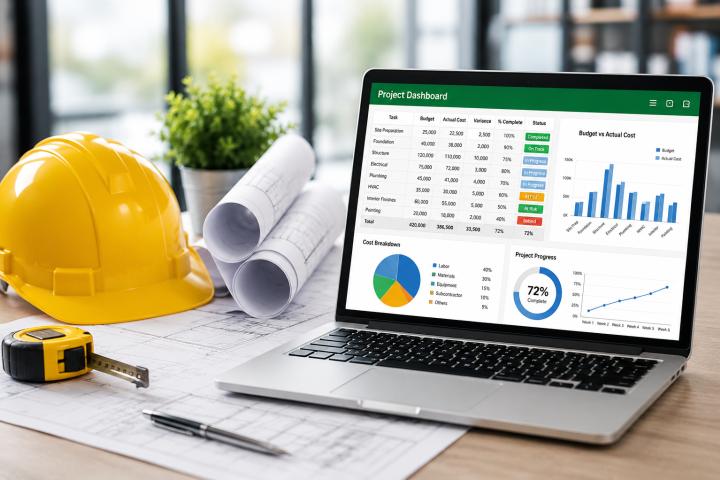

Mastering cost projections to build stronger bids and ensure project success in a dynamic industry.
In the intricate world of construction, the ability to accurately forecast project costs isn't just a best practice—it's a critical determinant of success. Construction estimating, in essence, is the comprehensive process of predicting all expenses associated with bringing a project to fruition. This encompasses everything from the tangible costs of materials and labor to the less obvious but equally vital elements like equipment, fees, overhead, and the contractor's essential profit margin. As of 2026, the landscape of construction estimating continues to evolve, driven by technological advancements and an increasing demand for precision and efficiency.
The primary goal of a robust estimating process extends beyond merely winning bids; it’s about securing profitable projects that remain on schedule and within budget. Underestimating can lead to significant financial losses and project distress, while overestimating can result in losing competitive bids. Therefore, a meticulous, data-driven approach is indispensable for navigating the complexities of modern construction.
The Foundational Pillars of Construction Estimating
Effective construction estimating is built upon a clear understanding of its core components and a structured approach to cost prediction. The process typically begins with a thorough review of bid documents and project scope, often supplemented by site visits to assess conditions and potential challenges.
Understanding Key Cost Categories
Direct Costs: The Tangible Elements
Direct costs are the expenses directly attributable to the physical execution of the construction work. These are often the most straightforward to quantify and include:
- Materials: The raw products and manufactured components that form the structure, such as concrete, steel, lumber, wiring, and finishing products.
- Labor: Wages, benefits, and associated taxes for the workforce directly involved in construction activities.
- Equipment: Costs related to machinery, tools, and vehicles used on-site, including rental fees, fuel, maintenance, and depreciation.
Indirect Costs and Overhead: Supporting the Operation
These costs are essential for the project's operation but are not directly tied to a specific construction task. They represent the administrative and operational expenses necessary to manage the project and run the business:
- Project Management: Salaries for project managers, supervisors, and administrative staff.
- Site Maintenance: Costs for temporary facilities, utilities, security, and cleaning.
- Insurance and Permits: Necessary coverage and regulatory approvals.
- Office Expenses: General administrative costs, supplies, and utilities for the contractor's main office.
Contingency and Profit Margin: Mitigating Risk and Ensuring Viability
These elements are crucial for financial stability and business growth:
- Contingency: A financial buffer, typically a percentage of the total estimated cost (often 5-10%), set aside to cover unforeseen expenses, scope changes, or unexpected challenges.
- Profit Margin: The contractor's expected earnings, representing compensation for risk, expertise, and capital investment. This can range from 5% to 20% depending on project complexity, market conditions, and risk.
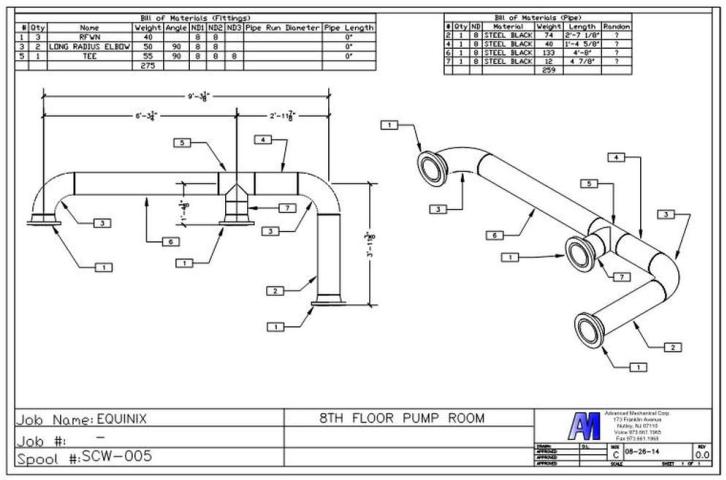
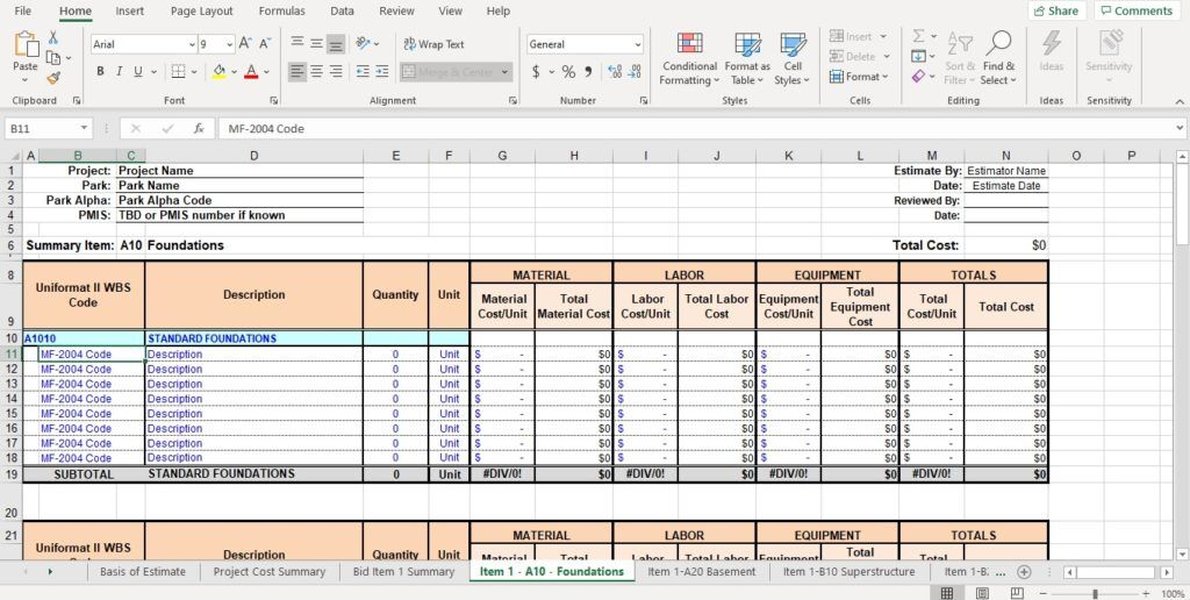
An example of a detailed construction cost estimate template.
The Spectrum of Estimating Methods
Different project stages and levels of available information necessitate the use of various estimating techniques. From early conceptualization to final detailed bids, estimators employ a range of methods:
Early Stage: Guiding Strategic Decisions
Conceptual Estimating
Used in the pre-design phase, this method provides a high-level cost projection to assess project feasibility. It relies on broad assumptions and historical data from similar projects, without detailed design specifications. Its purpose is to answer the fundamental "go/no-go" question.
Square-Foot Estimating
A quick but less precise method, this involves applying a cost per square foot based on past projects of similar type and scale. While fast, its accuracy can be limited by unique project characteristics.
Parametric Estimating
This technique uses statistical models and historical data to predict costs based on specific project variables (e.g., cost per bed for a hospital, cost per classroom for a school). It's more refined than square-foot estimating but still requires a level of historical data and defined project scope.
Mid to Late Stage: Precision and Accountability
Assembly Estimating
Focuses on major project components or systems rather than individual units. For example, estimating the cost of an entire wall assembly (including studs, drywall, insulation, and finishes) as a single unit.
Unit Cost Estimating
A more detailed approach where costs are calculated based on standard units of measurement (e.g., cost per cubic yard of concrete, cost per linear foot of piping). This requires more detailed design information and accurate unit pricing.
Detailed Estimating (Control or Final Estimate)
This is the most accurate and comprehensive method, typically performed after design documents are complete. It involves a meticulous breakdown of every item and task, including specific material quantities, labor hours, and equipment needs. This forms the basis for competitive bids and serves as a control estimate during project execution.
The Digital Revolution in Construction Estimating
The year 2026 sees digital tools at the forefront of construction estimating, transforming traditional workflows and significantly enhancing accuracy and efficiency. Modern estimators leverage integrated platforms that combine various functionalities.
Software-Driven Workflows
Quantity Takeoffs (QTOs)
Software solutions like PlanSwift, STACK, and Bluebeam allow for automated quantity takeoffs from digital plans. This dramatically reduces the time and potential for human error associated with manual measurements of areas, volumes, and lengths. Precise QTOs are the bedrock of credible estimates.

Visualizing construction plans for accurate takeoffs.
Real-time Data and Databases
Modern platforms integrate with updated pricing databases (e.g., RSMeans data) and real-time market data to ensure material costs are current. This also includes applying accurate labor productivity rates, which are crucial for forecasting labor expenses.
Integrated Platforms
The shift is towards comprehensive platforms that combine takeoff capabilities with pricing databases, bid management, and even project management functionalities. Tools like Buildxact and The EDGE provide end-to-end solutions that streamline the entire estimating process, from initial conceptual budgets to detailed bids.
Enhancing Accuracy and Collaboration
Digital tools not only expedite the estimating process but also foster better collaboration among team members. Cloud-based platforms allow for real-time sharing of information and collective review, ensuring that all stakeholders are working with the most current and accurate data. This collaborative environment is vital for catching discrepancies early and refining estimates as design and project details evolve.
To illustrate the varying strengths of different estimating methods, consider the following radar chart. This chart represents an opinionated analysis of how well each method performs across key estimating criteria:
As depicted in the radar chart, conceptual estimating excels in speed and early-stage applicability but lacks accuracy and detail. Conversely, detailed estimating offers the highest accuracy and level of detail, but at the cost of speed and applicability in the very early project phases. Understanding these trade-offs is fundamental for selecting the appropriate method for each stage of a project.
Best Practices and Strategic Considerations for 2026
Beyond methodologies and tools, certain best practices are crucial for modern construction estimators to thrive.
Continuous Learning and Data Management
The construction industry is dynamic, with fluctuating material prices, labor rates, and regulatory changes. Estimators must commit to continuous learning and maintaining a "living cost database" that is regularly updated. Historical project data is an invaluable asset for validating estimates and refining future projections.
Risk Management and Contingency Planning
Uncertainties are inherent in construction. Implementing consistent contingency rules (e.g., 5-10% for typical projects, higher for complex or high-risk ventures) is vital. This proactive approach helps mitigate financial risks from unforeseen issues like material volatility, labor shifts, and scope gaps.
Selective Bidding
In a competitive market, selective bidding is a strategic advantage. Firms should focus on projects where their historical cost data, crew productivity, and expertise provide a competitive edge, rather than pursuing every available bid. This targeted approach maximizes the chances of winning profitable work.
Workflow for Accurate Estimating
A systematic workflow ensures all critical steps are covered:
- Review Bid Documents and Scope: Understand the project requirements thoroughly.
- Site Assessment: Visit the site or analyze conditions from drawings to identify potential constraints.
- Perform Quantity Takeoffs: Accurately measure all materials and tasks.
- Gather Pricing: Obtain current material prices, labor rates, and subcontractor quotes.
- Apply Overheads and Profit: Add indirect costs, overhead, and the desired profit margin.
- Include Contingency: Allocate funds for unforeseen circumstances.
- Assemble and Present: Prepare a clear and comprehensive bid package.
"5 Skills That Get You Hired in Construction Estimating in 2026" - This video offers valuable insights into the contemporary skills required for success in construction estimating, emphasizing the evolving demands of the industry. It delves into the practical competencies that professionals need to develop, such as proficiency in advanced software, data analysis, and strategic thinking, all of which are crucial for creating accurate and competitive bids in today's fast-paced construction environment.
Comparative Analysis of Estimating Software Adoption
The adoption of specialized estimating software has become a non-negotiable aspect of competitive construction estimating. The following bar chart provides an opinionated view on the perceived adoption levels and effectiveness of various software features and types in 2026:
The bar chart indicates that automated takeoff and real-time cost data integration are highly adopted and have a significant impact on accuracy. While AI-powered analysis is gaining traction, its adoption is somewhat lower, but its potential impact on accuracy is recognized as very high. Cloud collaboration, while adopted, has a slightly lower perceived impact on accuracy compared to direct data-driven features, likely due to its role in workflow rather than direct cost calculation.
The Interconnected World of Estimating: A Mindmap
The complexities of construction estimating can be visualized through a mindmap, illustrating the various elements that feed into and are affected by the estimating process. This mindmap highlights the relationships between methodologies, technologies, cost components, and overall project outcomes.
This mindmap visually connects the various facets of construction estimating, from the fundamental concepts of cost components and methodologies to the advanced integration of digital tools and the strategic best practices that define success in 2026. It underscores the holistic nature of the estimating process.
The Impact of Accurate Estimating
The ramifications of accurate or inaccurate estimating ripple throughout a construction project and beyond. A well-crafted estimate is the cornerstone of financial health, enabling contractors to bid confidently, manage cash flow effectively, and deliver projects that meet client expectations and yield acceptable profits.
| Aspect | Impact of Accurate Estimating | Risks of Inaccurate Estimating |
|---|---|---|
| Bid Success | Competitive pricing, increased win rates for profitable projects. | Lost bids (too high) or unprofitable projects (too low). |
| Project Profitability | Ensured margins, healthy cash flow, sustainable business growth. | Budget overruns, reduced profits, financial losses. |
| Client Relationships | Trust and satisfaction through predictable costs and project delivery. | Disputes, change orders, damaged reputation. |
| Resource Allocation | Efficient planning of materials, labor, and equipment. | Waste, delays, idling resources, increased costs. |
| Risk Management | Proactive identification and mitigation of potential financial risks. | Exposure to unforeseen costs, project delays, legal issues. |
| Strategic Growth | Informed decision-making for business expansion and market targeting. | Unsound business decisions, constrained growth. |
This table highlights the stark contrast between the outcomes of accurate versus inaccurate estimating, underscoring its critical role in every facet of a construction business.
FAQ
What is construction estimating?
Construction estimating is the process of forecasting all costs associated with a construction project, including materials, labor, equipment, indirect costs, overhead, and profit margin. Its goal is to provide a reliable basis for bidding, budgeting, and project control.
Why is accurate estimating important?
Accurate estimating is crucial for winning competitive bids, ensuring project profitability, managing budgets effectively, and mitigating financial risks. It forms the foundation for all financial decisions throughout a project's lifecycle.
What are the main types of estimating methods?
Common methods include conceptual estimating (early feasibility), square-foot estimating (quick, less precise), parametric estimating (statistical models), assembly estimating (system-based), unit cost estimating (per unit basis), and detailed estimating (most precise, post-design).
How has technology impacted construction estimating in 2026?
Technology has revolutionized estimating through automated quantity takeoffs, integration with real-time cost databases, cloud-based collaboration platforms, and the emerging use of AI for predictive analytics, significantly enhancing speed, accuracy, and efficiency.
What is the role of contingency in an estimate?
Contingency is a percentage of the total estimated cost set aside to cover unexpected expenses, design changes, or unforeseen circumstances that may arise during the project. It acts as a financial buffer to protect project budgets.
Conclusion
In 2026, construction estimating is far more than just crunching numbers; it's a sophisticated blend of technical expertise, strategic foresight, and technological integration. The journey from conceptual budgets to detailed control estimates requires adaptability, a commitment to data accuracy, and the judicious application of diverse methodologies. As the industry continues to embrace digital transformation, the role of the estimator evolves, becoming increasingly central to ensuring project viability and driving sustainable growth for construction businesses. Mastery of this discipline is, without doubt, the secret to unlocking profitability and navigating the complexities of the modern construction landscape.