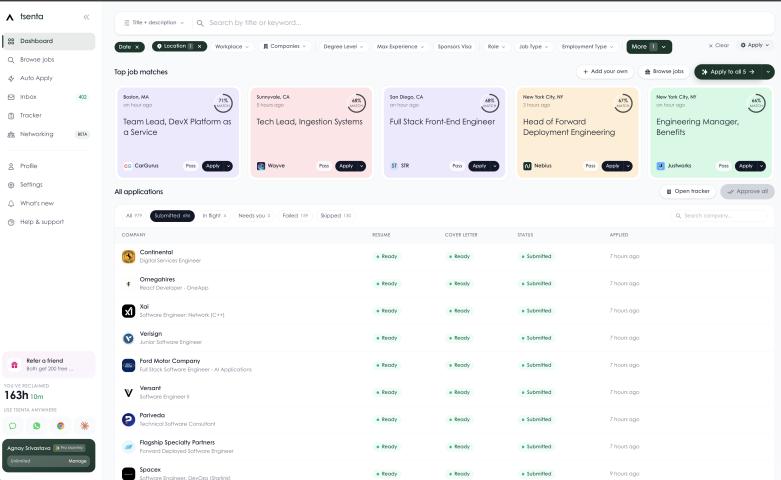
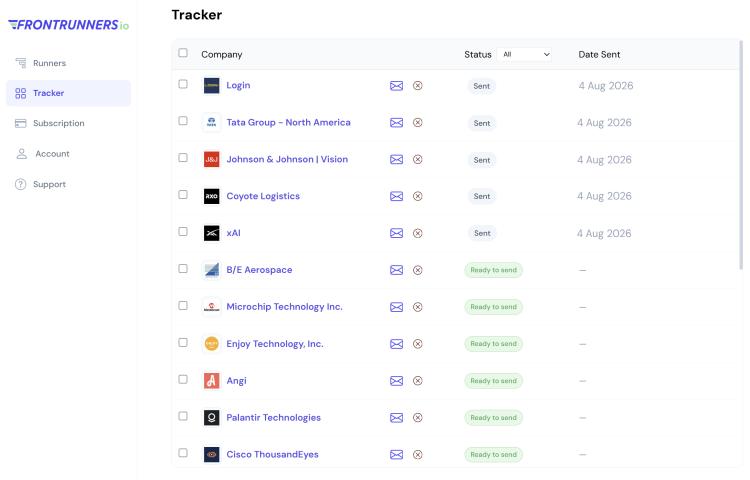
The Problem With Manual Job ApplicationsJob hunting in 2026 is a numbers game. The average candidate spends 15-30 minutes per application filling out forms, retyping information, and customizing resumes. Apply..
When I first heard the term “digital nomad,” it sounded like something out of a dream—an idea that belonged more to fantasy than to reality. Yet, years later, I find..
Hiring the right talent can define the trajectory of a startup. Traditional resumes and interviews are giving way to more dynamic, data-driven, and human-centric methods. Startups, often constrained by time..
The job market is evolving faster than ever. With rapid advancements in technology, shifting economic priorities, and changing employee expectations, 2025 is shaping up to be a year full of..
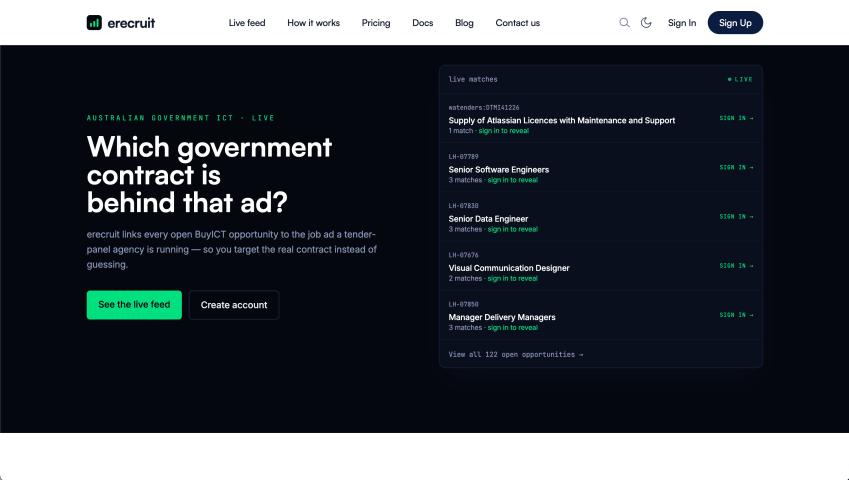
Finding the right government technology contract can be difficult for recruitment agencies. A job advertisement may describe the role, skills, location and security clearance, but it often does not reveal..
Finding a new job has become increasingly competitive. Hundreds of candidates often apply for the same position within hours of it being posted, leaving many qualified professionals lost in applicant..
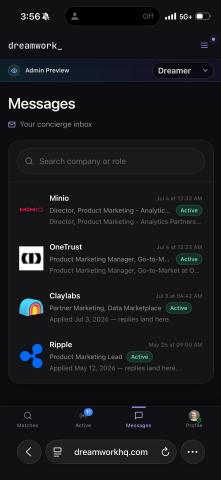
Dreamwork: How AI Is Transforming the Modern Job Search ExperienceFinding a new job has become increasingly complex. Professionals today spend countless hours searching through job boards, customizing resumes, writing cover..
The Problem With Manual Job ApplicationsJob hunting in 2026 is a numbers game. The average candidate spends 15-30 minutes per application filling out forms, retyping information, and customizing resumes. Apply..
A recruiter opens your profile, glances at the headline, and scrolls. The next thing that loads is your About section. In most profiles that section is one or two dense..
Dostyy: Transforming Hiring in Pakistan Through Direct Employer-to-Candidate ConnectionsFinding the right employee and securing the right job remain major challenges in Pakistan. Traditional hiring methods often involve recruitment agencies, personal..
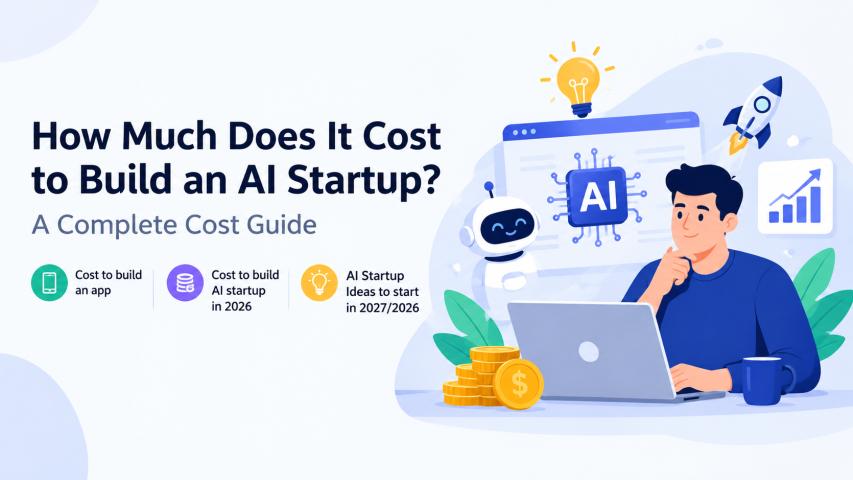
Artificial intelligence is changing the way businesses operate, serve customers, and develop new products. From intelligent chatbots and AI-powered mobile applications to automated business platforms, entrepreneurs are exploring new opportunities..
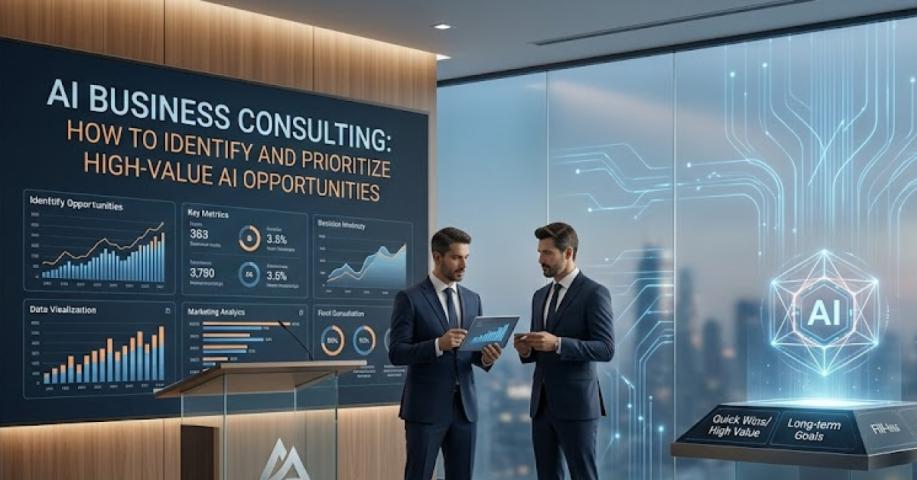
AI adoption is no longer about asking whether your business should use AI. The more important question is where AI can create measurable business value. AI business consulting helps organizations..
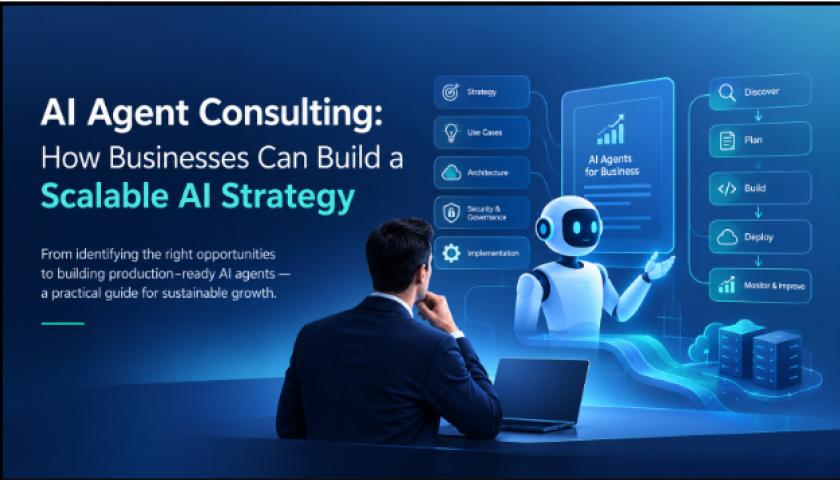
Generative AI has largely focused on producing responses, summarizing information, and assisting employees. The next stage is more action-oriented: AI agents can work toward defined goals, use business tools, interact..
Every modern business generates data.Customer interactions, website visits, sales transactions, employee activity, operational reports, marketing campaigns, and financial records all create valuable information. Yet having more data does not automatically..
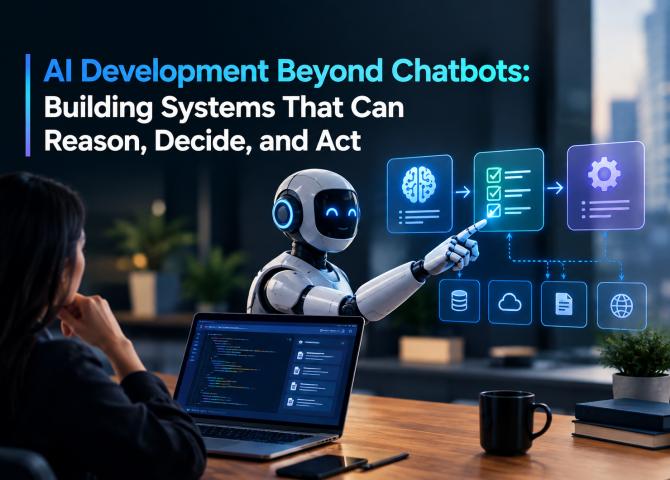
Artificial intelligence is moving beyond systems that simply respond to questions or generate content. Modern AI development is increasingly focused on building systems that can interpret context, reason over information,..
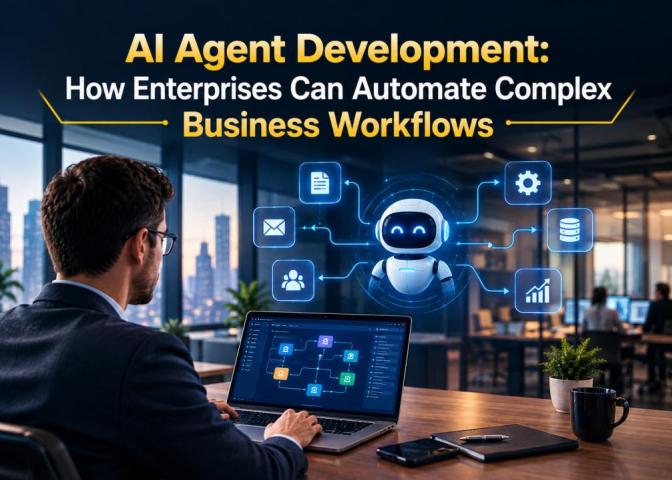
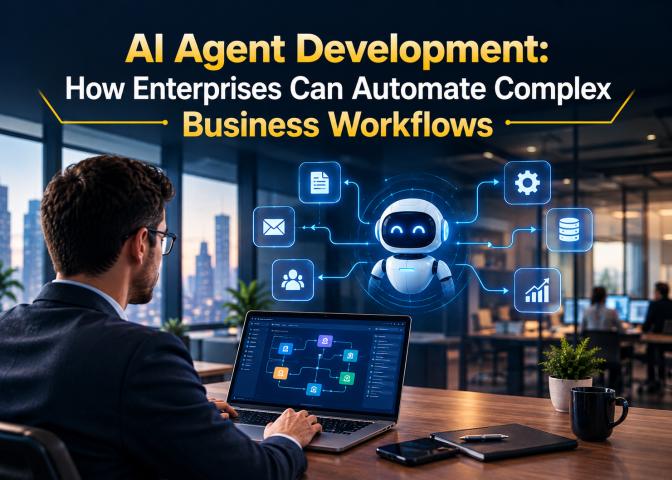
Enterprise automation is moving beyond fixed rules and repetitive task execution.AI agents introduce a different approach to automation. Instead of executing only predefined instructions, an AI agent can interpret an..
Enterprise automation is moving beyond fixed rules and repetitive task execution. Traditional workflow systems are effective when processes follow predictable paths, but modern business operations rarely remain that simple. Customer..
According to McKinsey’s 2026 State of AI survey, most organizations—about 78%—now use AI somewhere in their business. But here’s the catch: only 6% can call themselves “AI high performers.” That..