Introduction
Every product team knows the sinking feeling of a defect slipping into production just before a weekend. Customers complain, developers scramble, and trust takes a hit that no apology email can fully repair. Over the past few years, software testing as a service has emerged as a practical way to break that cycle. Instead of building a large in-house quality assurance department, companies now rent testing expertise, tools, and infrastructure on demand. In this guide, we look at how software testing as a service works, where it fits, and how to choose a provider you can trust.
What Software Testing as a Service Actually Means
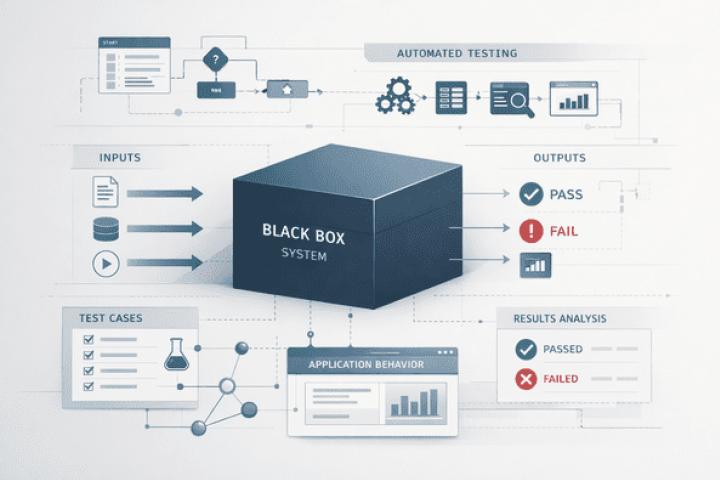
In simple terms, software testing as a service is a delivery model where an external provider handles the planning, execution, and reporting of tests for your applications. You pay for what you use, whether that is a one-time regression cycle or a continuous engagement that runs alongside every sprint. The provider brings trained testers, device labs, automation frameworks, and cloud environments, so your developers can stay focused on building features.
Unlike traditional outsourcing, this model is flexible and outcome-driven. Contracts are usually tied to coverage, defect detection, and turnaround time rather than headcount. That shifts the conversation from “how many testers do we need?” to “how confident are we in this release?”
Why Teams Are Moving Toward Software Testing as a Service
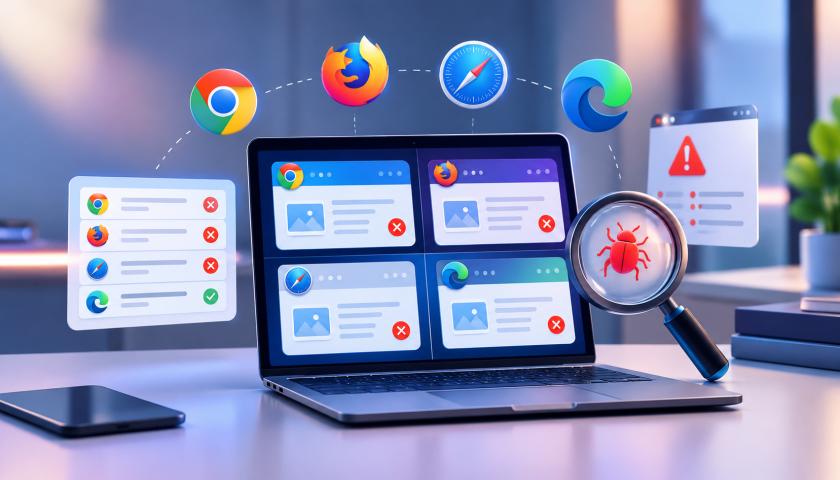
Speed is the first reason. Modern teams ship weekly or even daily, and manual checks simply cannot keep up. A provider offering software testing as a service can spin up parallel test runs across browsers, devices, and operating systems in hours instead of days.
Cost is the second reason. Hiring, training, and retaining skilled testers is expensive, and tool licenses add up quickly. With software testing as a service, those costs become predictable and scale up or down as your roadmap changes. Startups especially benefit, because they gain mature testing practices without carrying fixed overhead.
The third reason is fresh eyes. Internal teams grow used to their own product and unconsciously avoid certain paths. An independent tester approaches the application like a real customer would, which often reveals usability problems and edge cases that insiders overlook.
Core Services You Can Expect
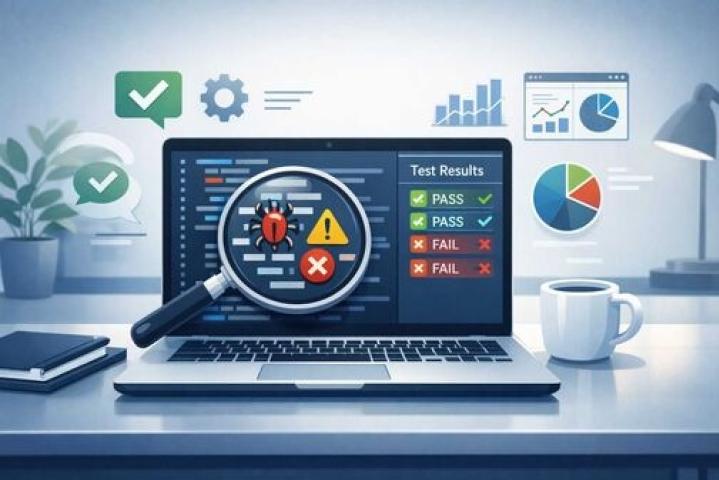
A solid provider of software testing as a service usually covers functional testing, regression testing, performance and load testing, security testing, and mobile and cross-browser compatibility. Many also offer API testing and accessibility audits. The best providers do not just hand over a bug list. They explain severity, document clear reproduction steps, and point to where the root cause may sit, which saves your developers hours of guesswork.
Automation deserves a special mention. When a software testing as a service partner builds a stable automation suite, your regression checks can run in minutes after every code change. That fits naturally into continuous integration and delivery pipelines, catching problems while the code is still fresh in a developer’s mind.
How to Choose the Right Provider
Not every vendor is equal, so it pays to do your homework. Start by asking for real case studies in your industry, since testing a healthcare portal is very different from testing a gaming app. Look at the tools they use, the certifications their engineers hold, and how transparent they are about reporting. Clear dashboards and honest communication matter more than a polished sales deck.
Security and data handling are equally important. Before you share staging data or source access, confirm how the vendor protects it, where it is stored, and who can see it. A trustworthy partner offering software testing as a service will sign confidentiality agreements without hesitation and explain its compliance practices in plain language.
Finally, run a small pilot. A short engagement on one module tells you far more about communication >
Common Mistakes Worth Avoiding
One frequent mistake is treating the provider as a separate island. The best results come when testers join planning calls, see the same requirements, and talk directly with developers. Another is chasing the lowest price when shopping for software testing as a service. Cheap testing that misses critical defects costs far more than a fair rate for thorough work. Teams also forget to define success upfront. Agree on measurable goals such as defect leakage, test coverage, and cycle time, then review them regularly. Adopting software testing as a service works best when it is treated as a partnership rather than a transaction.
Real-World Impact on Product Quality
Consider a mid-sized e-commerce company preparing for a seasonal sale. Their small internal team could test checkout flows manually, but not under heavy traffic. By bringing in software testing as a service, they simulated thousands of concurrent shoppers, found a database bottleneck, and fixed it days before launch. The sale went smoothly, and the team credited the outside perspective for protecting revenue.
Stories like this explain why software testing as a service keeps gaining ground among SaaS firms, banks, retailers, and healthcare organizations alike. The model gives them access to expertise that would take months to hire and years to build.
Where the Model Is Heading
Artificial intelligence is beginning to shape test design, helping providers generate test cases, predict risky code areas, and maintain scripts as interfaces change. Human judgment still matters, especially for exploratory work and usability, but smarter tooling reduces repetitive effort. Expect software testing as a service to become even more integrated with DevOps, offering real-time quality insights rather than end-of-cycle reports.
Final Thoughts on Software Testing as a Service
Quality is no longer a final checkpoint. It is a habit that runs through every release. Software testing as a service gives teams of any size a way to build that habit without heavy investment, delivering speed, flexibility, and an independent view of product health. If you pick a partner carefully, define clear goals, and keep communication open, software testing as a service can become one of the most reliable parts of your delivery process.