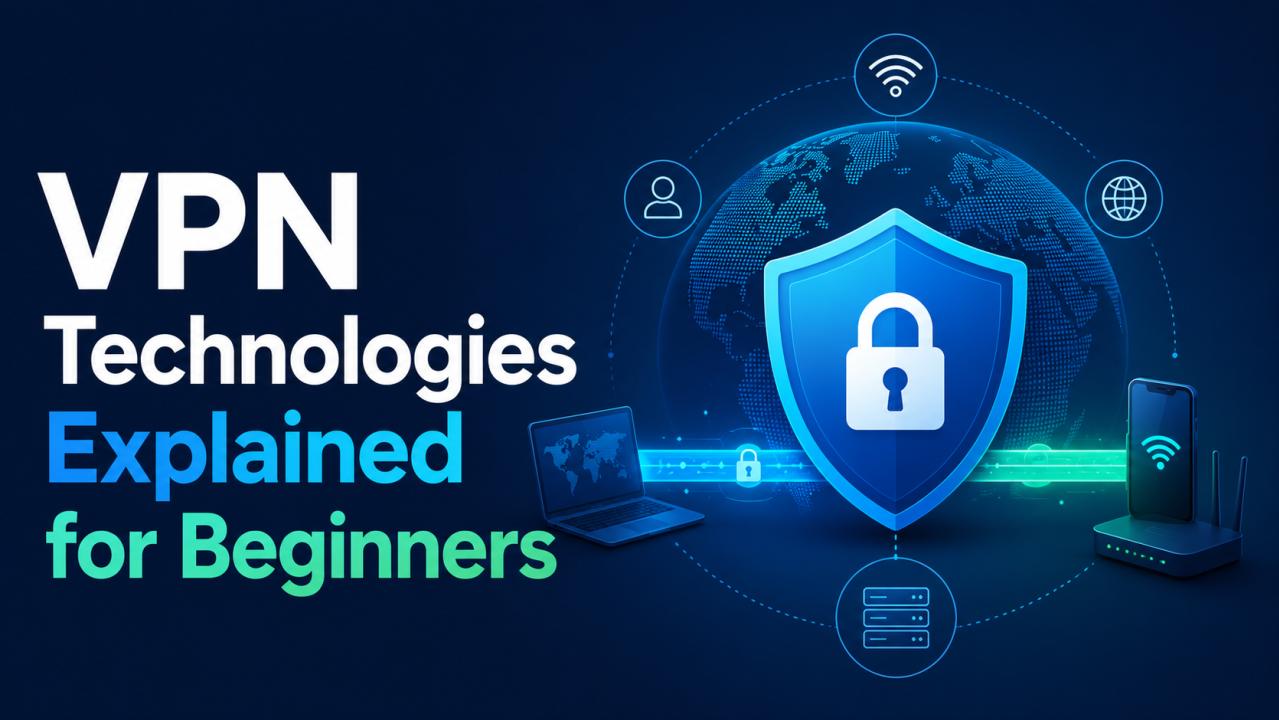
Virtual Private Network (VPN) technologies have become a foundational component of modern enterprise networking and cybersecurity. As organizations expand across cloud platforms, remote locations, and hybrid infrastructures, secure communication between users, branches, and data centers has become essential. VPN technologies help achieve this by creating encrypted communication channels over public or untrusted networks.
Many networking professionals begin their learning journey with structured CCIE Security Training programs to understand how VPN technologies integrate into enterprise security architectures and support secure connectivity across distributed environments.
What Is a VPN in Networking?
A VPN (Virtual Private Network) is a technology that allows users or networks to establish a secure, encrypted connection over an insecure network such as the internet.
Why VPNs Are Important
VPNs are widely used because they:
Protect data during transmission
Enable secure remote access
Connect branch offices securely
Hide internal network details
Support enterprise mobility
How VPN Technology Works
VPNs function by creating a secure tunnel between two endpoints, ensuring that data remains encrypted and protected from unauthorized access.
VPN Tunnel Creation
A VPN tunnel is formed when data is encapsulated and encrypted before being transmitted across the network.
Encryption and Decryption Process
Data is encrypted at the source
Transmitted securely through the tunnel
Decrypted only at the destination
Authentication Mechanisms
VPN systems verify the identity of users or devices before allowing secure communication.
Types of VPN Technologies
VPNs can be classified into different types based on their use cases and architecture.
Site-to-Site VPN
Site-to-site VPNs connect entire networks, such as branch offices and headquarters.
Key Features
Secure inter-office connectivity
Always-on connection
Transparent to end users
Remote Access VPN
Remote access VPNs allow individual users to securely connect to enterprise networks from remote locations.
Key Features
User-based authentication
Secure access from any location
Ideal for remote workers
Client-Based VPN
This type requires software installation on the user device for secure connectivity.
Clientless VPN
Clientless VPNs allow secure access through a web browser without installing additional software.
Common VPN Protocols
VPN technologies rely on various protocols to ensure secure and efficient communication.
IPsec (Internet Protocol Security)
IPsec is one of the most widely used VPN protocols for secure site-to-site communication.
Key Functions
Encrypts IP packets
Ensures data integrity
Provides authentication
SSL/TLS VPN
SSL-based VPNs are commonly used for remote access through web browsers.
Advantages
Easy to deploy
Works on most devices
Strong encryption
GRE (Generic Routing Encapsulation)
GRE is used to encapsulate different network layer protocols over IP networks.
L2TP (Layer 2 Tunneling Protocol)
L2TP is often combined with IPsec to provide secure VPN connections.
Key Components of VPN Architecture
A VPN system consists of several components that work together to ensure secure communication.
VPN Gateway
A device or software that manages VPN connections and encrypts traffic.
VPN Client
Software installed on user devices to initiate secure connections.
Authentication Server
Validates user credentials before granting access.
Encryption Engine
Handles the encryption and decryption of data.
Benefits of VPN Technologies
VPNs provide multiple advantages for enterprises and individuals.
Enhanced Security
VPNs protect sensitive data from interception and unauthorized access.
Remote Work Enablement
Employees can securely access corporate networks from anywhere.
Cost Efficiency
Organizations can use public internet connections instead of expensive private links.
Scalability
VPNs can easily scale to support growing enterprise requirements.
Data Privacy
VPNs help maintain confidentiality and protect user identity.
VPN Use Cases in Enterprises
VPN technologies are widely used across different industries and business scenarios.
Branch Connectivity
Organizations use VPNs to connect multiple office locations securely.
Remote Workforce Access
Employees working from home use VPNs to access internal systems.
Cloud Connectivity
VPNs secure communication between on-premises systems and cloud environments.
Partner Network Access
Businesses use VPNs to securely share resources with external partners.
VPN Security Considerations
While VPNs improve security, proper configuration is essential.
Strong Encryption Standards
Using outdated encryption methods can expose vulnerabilities.
Access Control Policies
Only authorized users should be allowed VPN access.
Regular Monitoring
VPN traffic should be continuously monitored for suspicious activity.
Patch Management
VPN systems must be updated regularly to prevent exploitation.
Challenges in VPN Implementation
Despite their benefits, VPN technologies also present certain challenges.
Performance Overhead
Encryption processes may introduce latency.
Scalability Issues
Large-scale VPN deployments require careful planning.
Configuration Complexity
Incorrect setup can lead to security vulnerabilities.
Dependency on Internet Quality
VPN performance depends on stable internet connectivity.
VPN vs Modern Secure Access Technologies
Modern networking has introduced alternatives and enhancements to traditional VPNs.
Zero Trust Network Access (ZTNA)
ZTNA provides identity-based access instead of full network access.
SD-WAN Integration
VPNs are often integrated with SD-WAN for optimized traffic routing.
SASE Architecture
Secure Access Service Edge combines networking and security into a unified cloud model.
Best Practices for VPN Deployment
To ensure secure and efficient VPN usage, organizations should follow best practices.
Use Strong Authentication Methods
Multi-factor authentication improves access security.
Limit User Privileges
Users should only access required resources.
Enable Logging and Monitoring
Continuous monitoring helps detect abnormal activity.
Optimize Encryption Settings
Balance security strength with performance efficiency.
Future of VPN Technologies
VPN technologies continue to evolve with modern networking trends.
Cloud-Based VPN Solutions
More VPN services are moving to cloud-native platforms.
AI-Driven Security
Artificial intelligence will enhance VPN threat detection.
Integration with Zero Trust Models
Future VPN systems will align more closely with Zero Trust principles.
Improved Performance Optimization
Advanced protocols will reduce latency and improve speed.
Role of VPN Knowledge in Networking Careers
Understanding VPN technologies is essential for networking and security professionals.
Skills Required
Professionals should understand:
IPsec and SSL protocols
Network encryption techniques
Routing and tunneling concepts
Firewall integration
Security policies
Career Relevance
VPN expertise is valuable in roles such as:
Network Engineer
Security Engineer
SOC Analyst
Infrastructure Architect
Conclusion
VPN technologies play a crucial role in securing modern enterprise communications by enabling encrypted and reliable connectivity across distributed environments. They remain a foundational element of network security and are widely used in remote access, branch connectivity, and cloud integration scenarios.
As enterprise networks continue to evolve, professionals who build strong foundational knowledge through CCIE Security Training are better prepared to design, implement, and manage secure VPN architectures effectively.