Introduction
The demand for real-world asset tokenization is growing rapidly in the blockchain industry. Businesses are increasingly using blockchain technology to tokenize assets such as real estate, commodities, securities, and intellectual property. Platforms like Securitize.io are transforming traditional asset ownership through secure and transparent digital asset management.
As Web3 adoption expands, startups, enterprises, and investors are showing strong interest in blockchain-powered investment platforms. These solutions improve liquidity, enable fractional ownership, and provide global investment accessibility.
So, how can businesses successfully launch a platform similar to Securitize.io? Let’s explore the key steps involved.
What Is an RWA Tokenization Platform?
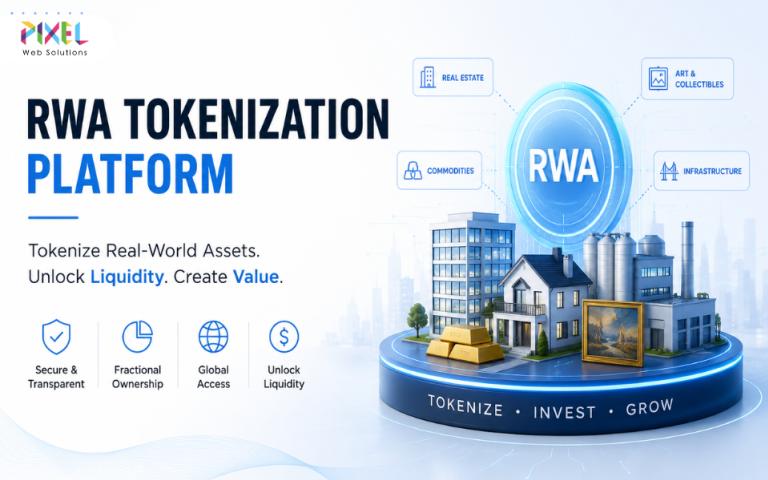
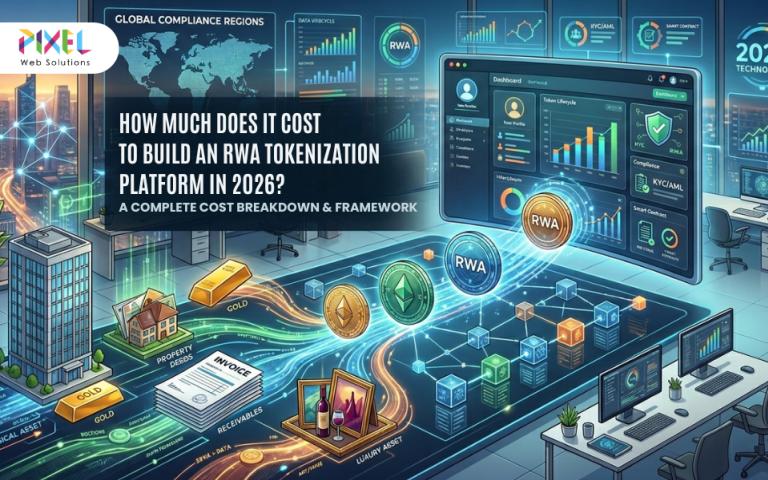
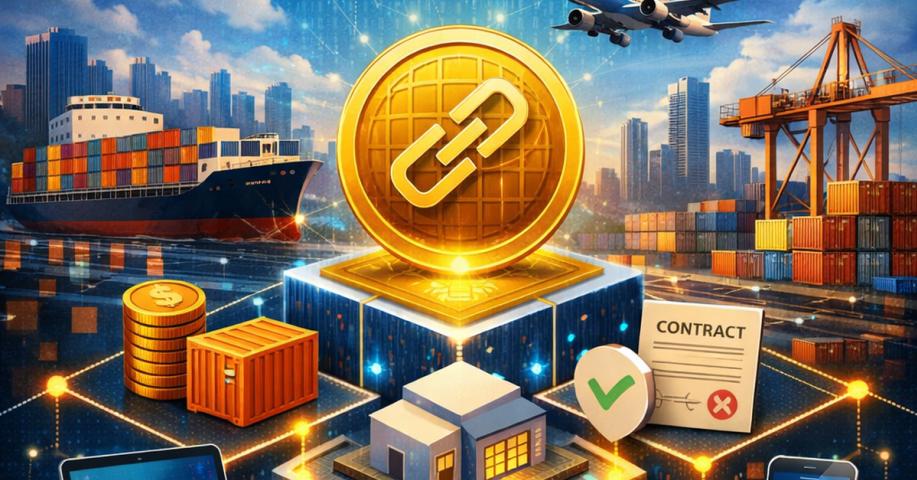
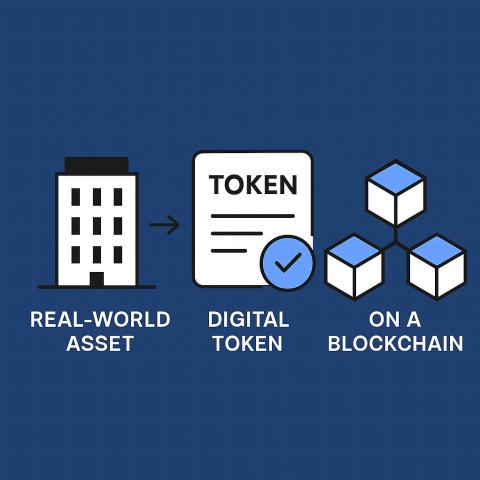
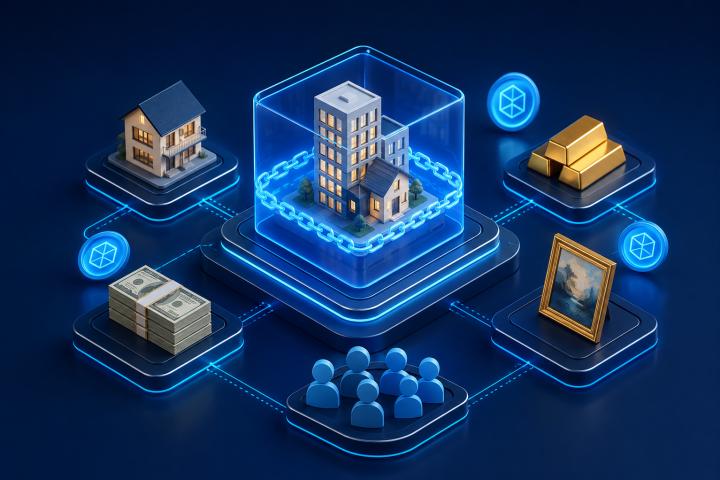
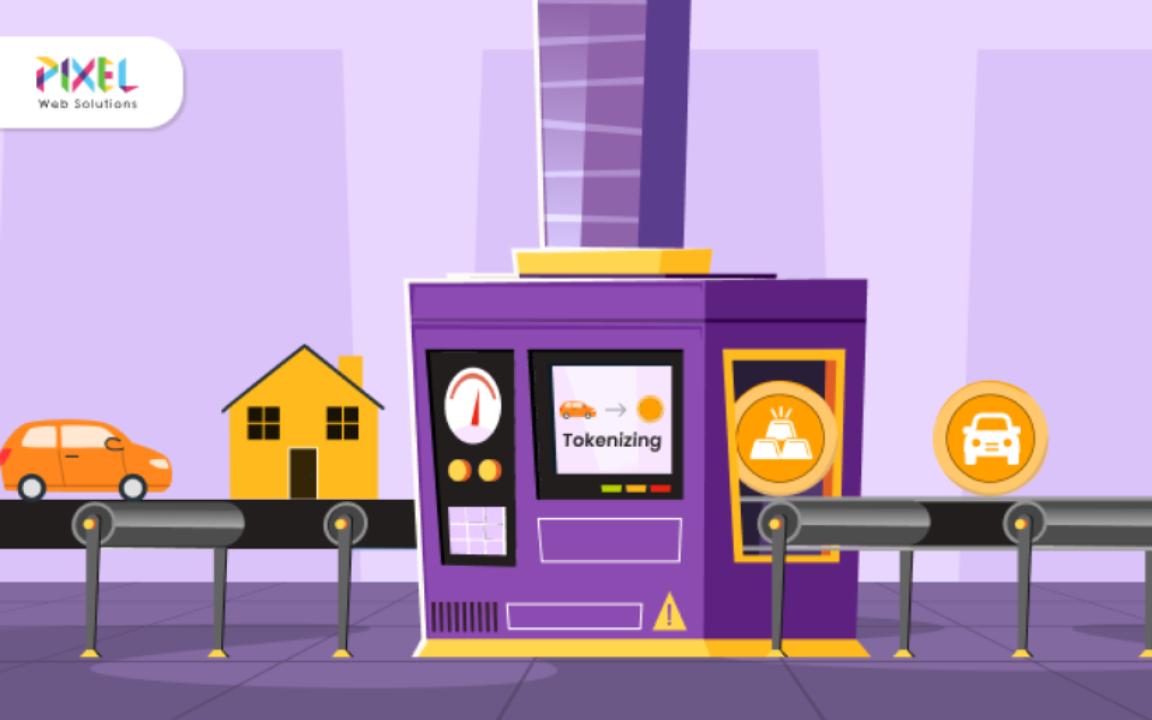
An RWA tokenization platform is a blockchain-based system that converts physical or traditional assets into digital tokens. These tokens represent ownership or shares in assets such as real estate, gold, artwork, or financial securities.
By using blockchain technology and smart contracts, businesses can automate transactions, improve transparency, and reduce intermediaries.
Key Benefits:
Fractional ownership
Increased liquidity
Global accessibility
Transparent transactions
Real-world asset tokenization is reshaping modern investment systems across industries.
Why Businesses Are Building Platforms Like Securitize.io
The rise of blockchain adoption and decentralized finance (DeFi) is driving demand for tokenized investment platforms. Businesses are exploring digital asset management solutions to improve efficiency, security, and scalability.
Tokenization also lowers investment barriers by allowing users to purchase fractional shares of high-value assets. As digital ownership becomes more mainstream, launching an asset tokenization platform offers strong long-term business potential.
Step-by-Step Guide to Launching an RWA Tokenization Platform Like Securitize.io
Step 1: Define Your Business Model
Start by identifying the type of assets your platform will tokenize, such as:
Real estate
Commodities
Securities
Intellectual property
You should also define your target audience and revenue streams, including transaction fees, subscription plans, or asset listing charges.
Step 2: Choose the Right Blockchain Network
Selecting the right blockchain network is essential for scalability and performance.
Ethereum offers strong security and ecosystem support.
Polygon provides faster and lower-cost transactions.
Hyperledger is ideal for enterprise-grade solutions.
Your blockchain choice directly affects platform speed, cost, and security.
Step 3: Develop Smart Contracts
Smart contracts automate token issuance, ownership transfers, and transactions. Secure smart contract development is critical for maintaining transparency and preventing vulnerabilities.
Proper auditing and testing should always be part of the development process.
Step 4: Design a User-Friendly Platform
A smooth user experience helps increase investor trust and platform adoption.
Important UI/UX features include:
Investor dashboard
Wallet integration
Asset management panel
Mobile responsiveness
Easy onboarding process
Step 5: Implement Compliance and Security Features
Security and compliance are essential for every blockchain investment platform.
Businesses should implement:
KYC/AML verification
Regulatory compliance
Data encryption
Multi-factor authentication
Secure wallet management
Strong security systems help protect user assets and build credibility.
Step 6: Build a Secondary Marketplace
A secondary marketplace allows investors to trade tokenized assets easily. This improves liquidity and increases user engagement on the platform.
Peer-to-peer trading functionality can further enhance the investment experience.
Step 7: Test and Launch the Platform
Before launch, businesses should conduct:
Smart contract testing
Security audits
Beta testing
Performance optimization
Proper testing helps identify technical issues and ensures a smooth public launch.
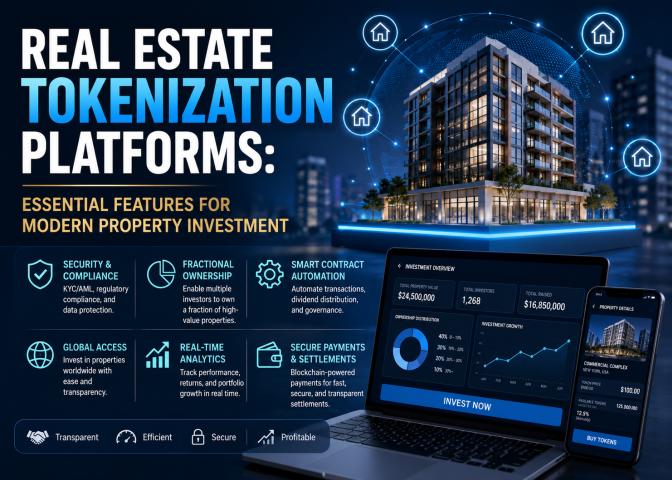
Essential Features Required
A scalable platform should include:
User authentication
Asset tokenization engine
Smart contract integration
Wallet integration
Compliance management
Trading marketplace
Analytics and reporting tools
These features improve transaction efficiency and investor management.
Cost of Launching the Platform
Development cost depends on several factors, including:
Blockchain selection
Platform complexity
Security implementation
Compliance requirements
Smart contract audits
An MVP platform generally costs less than a fully customized enterprise solution.
Benefits of Launching a Tokenization Platform
Launching a blockchain-based tokenization platform offers several advantages:
Global investor reach
Improved asset liquidity
Reduced operational costs
Automated transactions
Enhanced transparency and security
Tokenization modernizes traditional investment systems and creates new digital business opportunities.
Future Trends in Asset Tokenization
The future of tokenized assets continues to evolve with trends such as:
AI-powered compliance systems
DeFi integration
Multi-chain interoperability
Institutional blockchain adoption
Growth of digital asset marketplaces
These innovations are expected to drive the next phase of blockchain-based investments.
Conclusion
Launching a platform like Securitize.io requires the right blockchain infrastructure, compliance systems, smart contracts, and scalable technology.
As tokenized asset markets continue to grow, businesses investing in blockchain-powered solutions can gain a strong competitive advantage.
If you’re planning to start an RWA Tokenization Platform Like Securitize, understanding the right development approach, compliance structure, and blockchain ecosystem is essential for long-term success. To know more about how to create an RWA tokenization platform like Securitize, explore the complete development process and industry insights in detail.