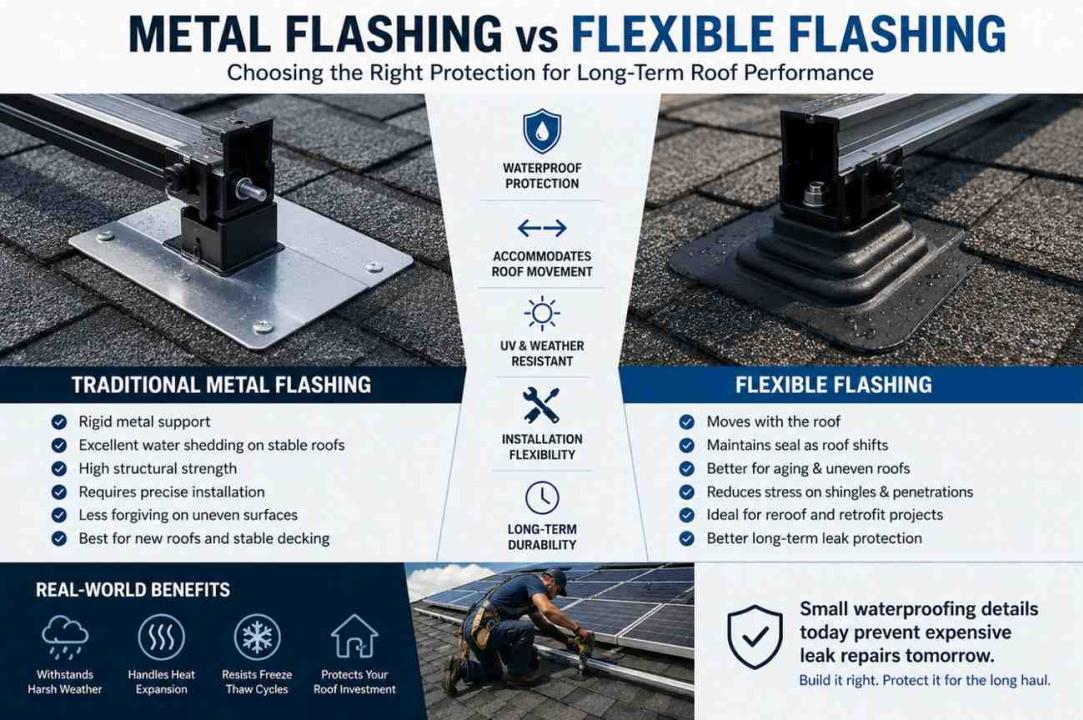
Traditional Metal Flashing vs Flexible Flashing
Most roof leaks around solar systems don’t begin with major installation failures. In many cases, the problem starts slowly around the roof penetrations themselves. A small separation near flashing. A lag bolt that loosens slightly after repeated heat cycles. Water finds its way beneath aging shingles during heavy rain or winter freeze-thaw movement.
At first, the roof still looks fine from the outside. But over time, moisture can spread beneath the roofing system long before anyone notices signs of damage indoors. That’s why the design of flashing matters so much in modern solar mounting systems.
The U.S. Department of Energy recommends evaluating the roof's condition and waterproofing readiness before solar installation, as long-term roof performance directly affects system reliability.
Traditional metal flashing has been used in roofing for decades and continues to perform well in many applications. But solar installations subject roof penetrations to repeated stress, especially on reroof projects and aging asphalt roofs. Flexible flashing systems were developed to better accommodate long-term movement while maintaining waterproofing.
For contractors and property owners, understanding the difference between traditional metal and flexible flashing can significantly impact long-term leak prevention.
How Traditional Metal Flashing Works
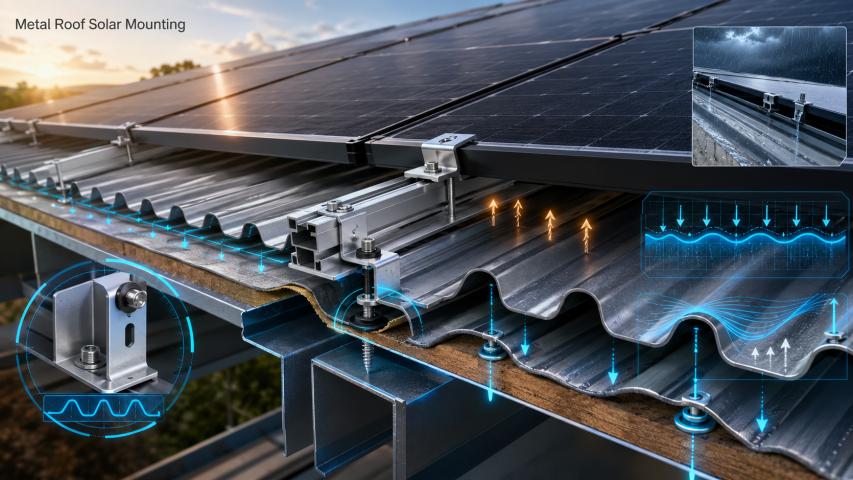
Traditional metal flashing is designed to redirect water away from roof penetrations using rigid metal components installed beneath shingles or roofing material.
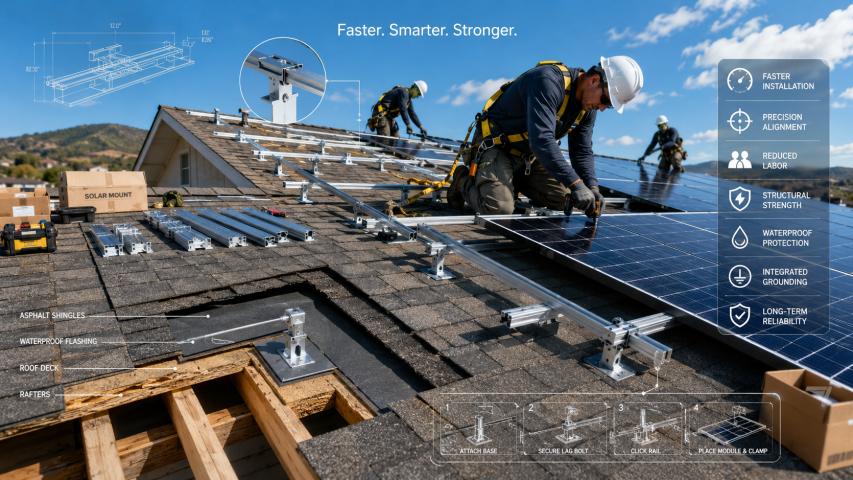
In solar mounting systems, metal flashing is commonly paired with lag bolts and attachment hardware to help protect penetrations from moisture intrusion.
When installed correctly, rigid flashing can provide strong waterproofing performance because it offers:
- Durable metal construction
- Reliable water-shedding capability
- Long-term UV resistance
- Strong structural support
- Compatibility with many roofing systems
The challenge is that roofs naturally move over time.
Shingles expand during summer heat and contract during colder weather. Roof decking shifts slightly under seasonal loads. Wind uplift and thermal movement place stress around penetrations year after year.
Because traditional flashing is rigid, it can gradually lose its sealing pressure if the roofing surface beneath it shifts or settles unevenly.
That becomes more noticeable on older roofs, reroof projects, and installations exposed to extreme weather conditions.
Why Flexible Flashing Has Become More Common
Flexible flashing systems are designed to move with the roof rather than resist its movement.
Rather than relying solely on rigid overlap protection, flexible flashing uses compression-based waterproofing materials that maintain a sealed contact as the roof shifts slightly over time.
That added flexibility can help reduce future leak risks around solar penetrations.
Most flexible flashing systems include:
- Waterproof compression gaskets
- Flexible membrane layers
- UV-resistant sealing materials
- Water-shedding flashing channels
- Corrosion-resistant mounting components
Flexible flashing is especially useful for:
- Aging asphalt roofs
- High-heat climatesFreeze-thaw regions
- Roofs with slight surface irregularities
- Residential reroof projects
- Storm-prone environments
Many contractors now prefer mounting systems designed with integrated waterproofing because the flashing and hardware work together as part of the overall roof protection strategy.
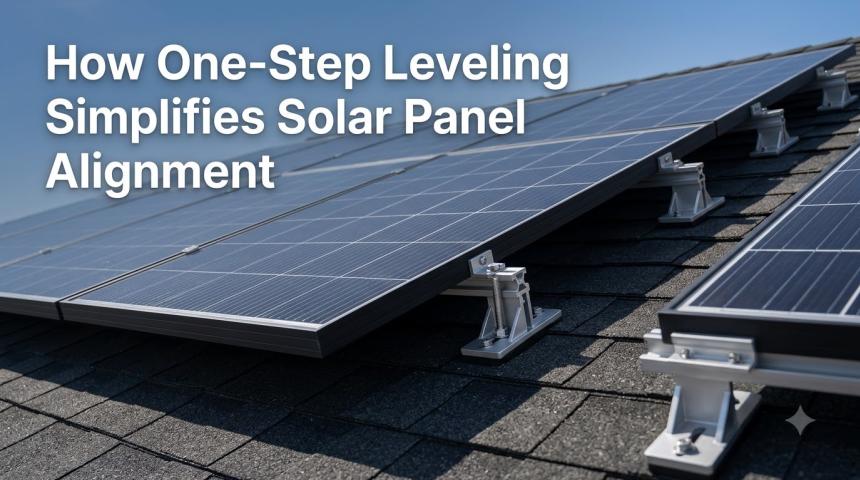
A properly engineered solar rail system can help reduce stress around penetrations while improving long-term mounting stability under real-world weather conditions.
Key Differences Between Metal and Flexible Flashing
Both flashing systems can perform well when installed correctly, but they behave differently as the roof ages and moves through seasonal weather cycles.
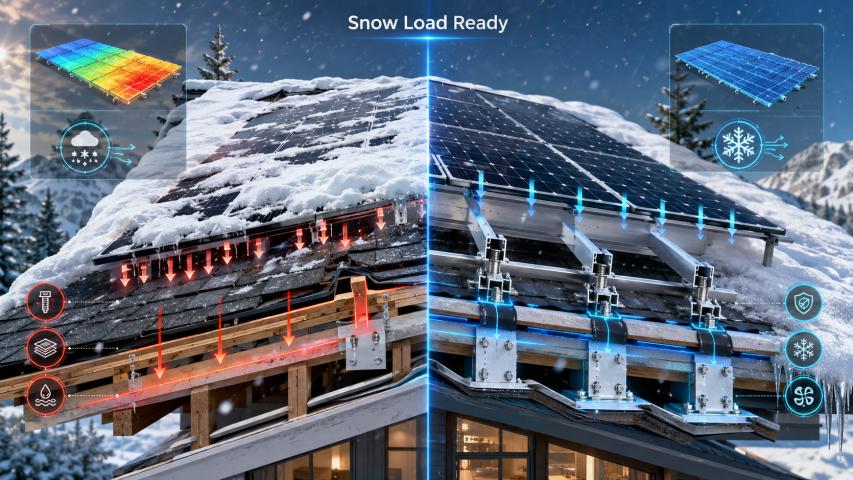
Traditional metal flashing generally provides stronger, more rigid support, while flexible flashing is better at adapting to roof movement and uneven surfaces.
Traditional Metal Flashing
- Strong, rigid penetration support
- Effective water shedding on stable roofs
- Long-lasting metal durability
- Requires precise installation alignment
- Less forgiving on uneven roof surfaces
Flexible Flashing
- Better movement accommodation
- Improved sealing around shifting penetrations
- More adaptable for reroof projects
- Helps reduce stress on brittle shingles
- Better tolerance for surface irregularities
The right flashing approach often depends on:
- Roof condition
- Climate exposure
- Roof pitch
- Drainage design
- Structural movement
- Long-term maintenance expectations
That’s why experienced installers often review drainage flow, attachment spacing, and common considerations in the Low-Slope Roof Solar Installation Guide before finalizing flashing details on lower-pitch systems.
Real-World Flexible Flashing Installation Example
A reroofing project in a coastal storm region highlighted the performance difference between rigid and flexible flashing.
The home had aging architectural shingles with slight waviness in the roof near several attachment points. During planning, installers noticed that rigid metal flashing would not sit evenly across certain areas of the roof.
Instead of applying pressure to uneven shingles, the crew used a flexible, flashing-based mounting approach that allowed better surface conformity around the penetrations.
That adjustment helped reduce:
- Pressure gaps beneath flashing edges
- Shingle cracking during installation
- Small water-entry voids
- Long-term movement stress around lag bolts
- Uneven compression across the roof surface
After multiple storm seasons and prolonged heat exposure, the roof remained dry, with no penetration-related leaks.
That type of long-term waterproofing performance is one reason flexible flashing continues gaining attention in modern solar installations.
Final Thoughts
Traditional metal flashing still plays an important role in roofing and solar mounting, especially on structurally stable roof systems.
But as more solar projects are installed on aging residential roofs and reroof applications, flexible flashing has become increasingly valuable for handling long-term roof movement and waterproofing stress.
The best flashing solution usually depends on roof condition, climate, and mounting design.
For contractors and property owners alike, paying attention to flashing performance beneath the array can help prevent expensive leak repairs years after installation.
Small waterproofing details during installation often determine whether a roof stays trouble-free for the long haul.