Introduction
The rapid rise of real-world asset (RWA) tokenization is reshaping how assets are owned, traded, and managed. From real estate and commodities to art and financial instruments, blockchain is unlocking new opportunities for fractional ownership and global accessibility.
The fast-growing interest in RWA tokenization platforms presents a major hurdle for businesses, as they struggle to determine development expenses. The lack of precise cost information creates challenges for both budgeting and project planning.
This blog analyzes the development costs of RWA tokenization platforms, the key factors influencing them, and effective strategies to optimize investment. Whether you are a startup or an established business, this guide will help you make informed decisions.
What Is an RWA Tokenization Platform?
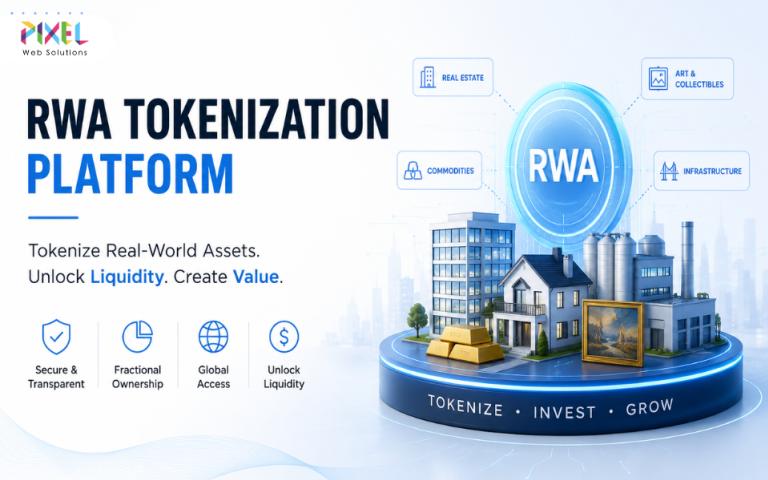
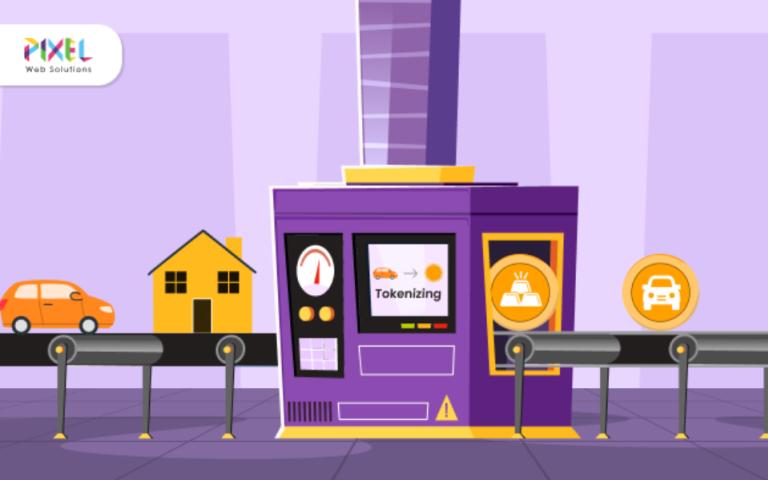
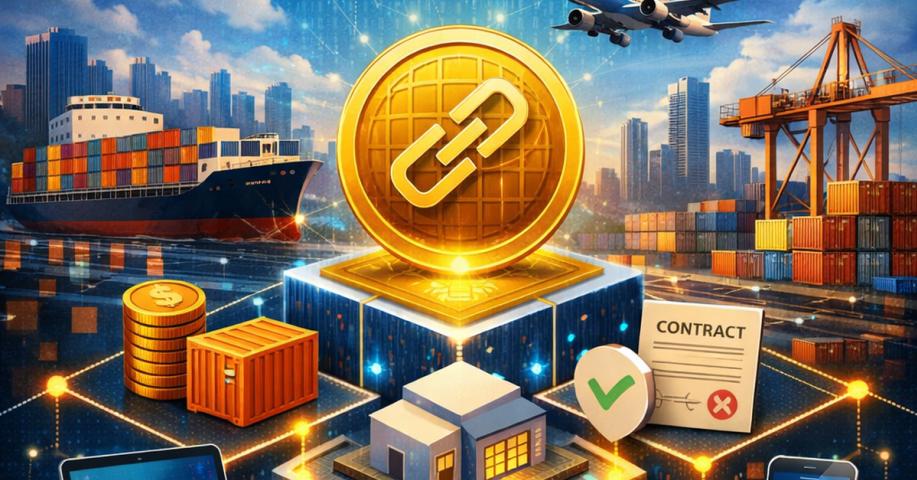
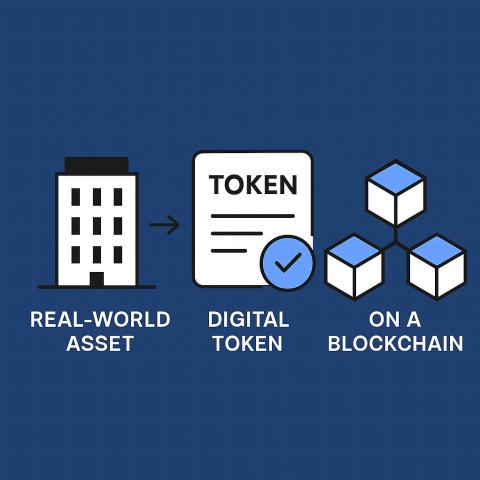
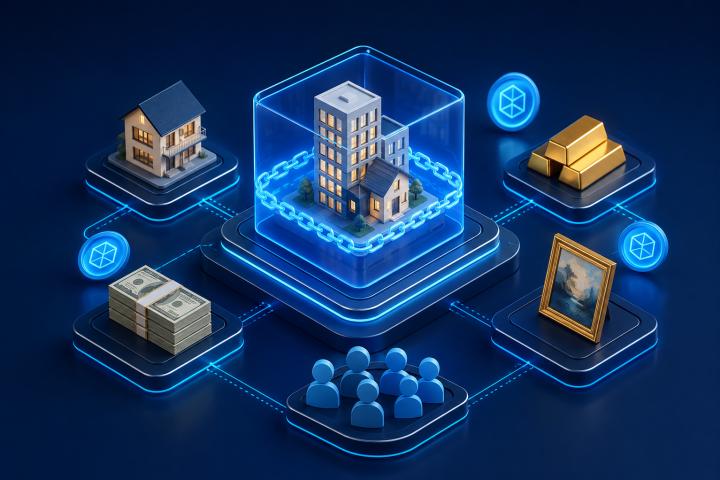
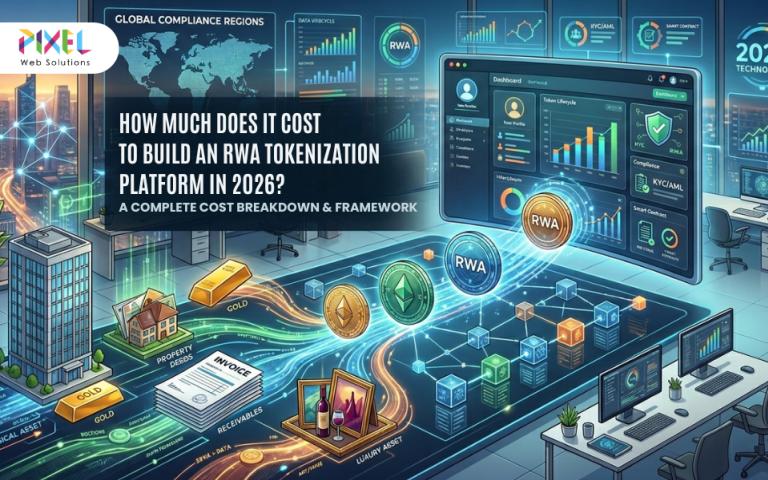
An RWA tokenization platform is a blockchain-based system that converts physical or traditional assets into digital tokens. These tokens represent ownership or shares in assets like real estate, gold, or artwork.
Blockchain technology enables fractional ownership, allowing multiple investors to own a portion of a high-value asset. It also improves liquidity, as these tokens can be traded more easily than traditional assets.
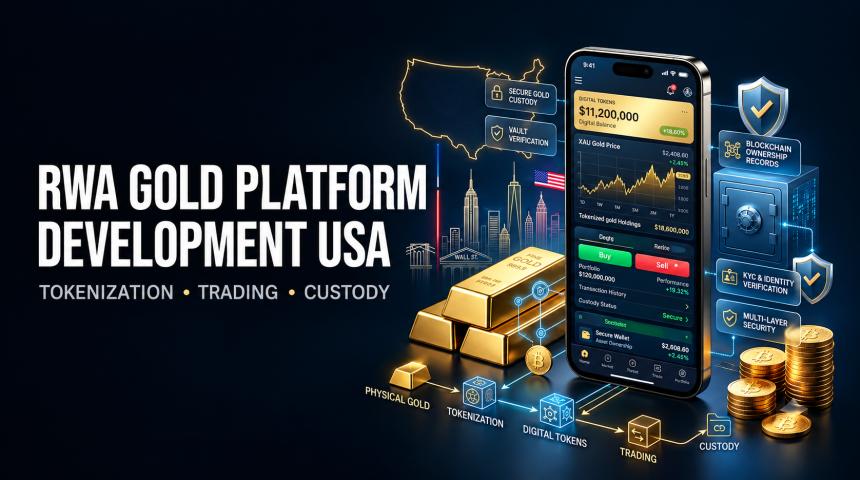
For example, instead of buying an entire property, investors can purchase fractional tokens representing a share of that property. Similarly, gold-backed tokens allow users to invest in commodities without physically holding them.
This shift toward real-world asset tokenization is why both startups and enterprises are investing heavily in this space.
Key Factors That Influence the Cost of Building an RWA Tokenization Platform
1. Platform Complexity & Features
The complexity of your platform plays a major role in determining cost.
A basic platform includes core features such as user dashboards, asset listings, token issuance, and wallet integration. In contrast, advanced platforms offer compliance automation, secondary marketplaces, and analytics dashboards.
As more features are added, development time increases—resulting in higher costs.
2. Blockchain Selection
Choosing the right blockchain significantly impacts pricing.
Ethereum offers strong security but comes with higher gas fees, while Polygon enables more cost-efficient transactions. Private blockchains require additional setup and ongoing maintenance costs.
Your choice should balance scalability, cost, and performance.
3. Smart Contract Development
Smart contracts are the backbone of any blockchain asset tokenization platform.
Custom-built contracts provide flexibility but require extensive testing. Pre-built solutions can reduce costs but limit customization.
Security audits are essential and can add to the overall budget.
4. UI/UX Design
A user-friendly interface is critical for investor onboarding.
Platforms with intuitive navigation and seamless user experience perform better. However, highly customized UI/UX designs can increase development costs.
5. Compliance & Legal Requirements
Regulatory compliance is one of the most crucial and expensive aspects.
Implementing KYC/AML systems and adhering to regional regulations significantly increases costs. The stricter the jurisdiction, the higher the expense.
6. Development Team & Location
The cost also depends on who builds your platform.
Hiring an in-house team is expensive, while freelancers may lack scalability. Development agencies provide a balanced approach. Costs also vary by region, with Asian markets generally being more cost-effective than North America or Europe.
Estimated Cost Breakdown of an RWA Tokenization Platform in 2026
Here’s a clear overview of the cost to build an RWA tokenization platform, based on different development levels:
MVP Development Cost: $25,000 – $50,000+
Timeline: 8–12 weeks
Features: Basic tokenization, dashboards, onboarding, wallet integration
An MVP is ideal for startups to test their idea with minimal investment. It focuses on core functionality, allowing quick launch and market validation, but offers limited customization.
Mid-Level Platform: $50,000 – $100,000+
Timeline: 12–16 weeks
Features: Multi-asset support, marketplace, enhanced security, better UI/UX
This stage adds more functionality and scalability. It supports multiple assets and improves user experience, making your real-world asset tokenization platform more competitive.
Advanced Enterprise Solution: $100,000 – $150,000+
Timeline: 16–24 weeks
Features: Full customization, scalability, compliance automation, analytics
Enterprise platforms are designed for large-scale operations with strong security, automation, and high performance. These platforms are suitable for businesses aiming for long-term growth.
The total development cost depends on your feature requirements, compliance needs, and business goals. Starting with an MVP and scaling gradually is often the most cost-effective approach.
Hidden Costs You Shouldn’t Ignore
Beyond development, several hidden costs can impact your budget:
Smart contract audits
Platform maintenance and updates
Hosting and cloud infrastructure
Advanced security implementations
Legal and compliance expenses
Ignoring these can lead to unexpected financial strain later.
Cost Optimization Strategies
If you're looking to reduce expenses without compromising quality, consider these strategies:
Start with an MVP to validate your idea
Choose scalable and cost-efficient blockchain networks
Use pre-built modules where possible
Outsource development to experienced teams
Prioritize long-term scalability over short-term savings
A well-planned approach can significantly reduce your blockchain tokenization cost.
Tech Stack Required for RWA Tokenization Platform Development
Building a robust platform requires the right technology stack:
Blockchain Networks: Ethereum, Polygon, Hyperledger
Smart Contract Languages: Solidity, Rust
Frontend: React, Angular
Backend: Node.js, Python
Database & Cloud: AWS, Azure, decentralized storage
Choosing the right stack ensures performance, security, and scalability.
Monetization Models to Recover Development Costs
To make your platform profitable, consider these revenue models:
Transaction fees on trades
Token listing fees
Subscription-based access
Asset management charges
These models help recover development costs and generate long-term revenue.
Future Trends Impacting RWA Tokenization Costs in 2026
The future of RWA tokenization is evolving rapidly. Key trends include:
Increased institutional adoption
Integration with DeFi ecosystems
AI-powered compliance and analytics
Clearer regulations reducing uncertainty and long-term costs
These trends will shape development strategies and pricing structures.
Conclusion: Is Building an RWA Tokenization Platform Worth the Investment?
The cost to build an RWA tokenization platform in 2026 can range from $25,000 to $150,000+, depending on whether you choose an MVP or a fully customized enterprise solution. While the initial investment is significant, the real-world asset tokenization market offers immense potential.
With strategic planning, the right development approach, and a clear understanding of cost factors, businesses can build scalable and profitable platforms.
The key question is: are you building for quick market entry or long-term industry leadership? Evaluating your goals will help you make smarter investment decisions and stay ahead in this rapidly growing market.