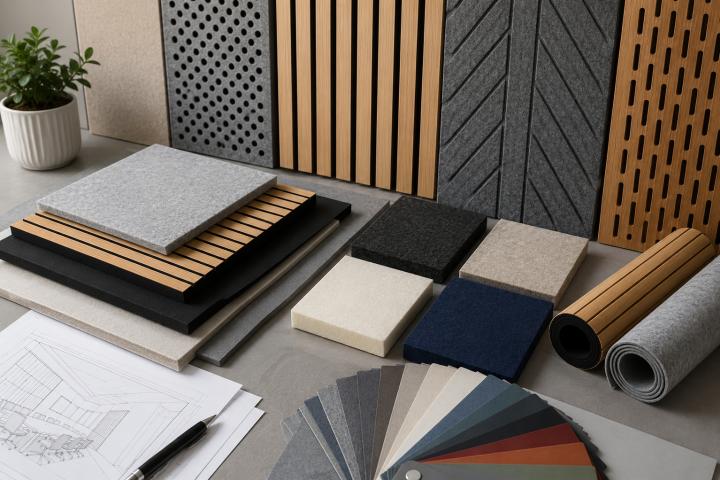

The modern world is getting louder, whether it’s the constant hum of technology, the bustle of urban life, or the echo of conversations in open-plan offices, noise is an ever-present factor in our daily environments. In response, the design and construction industry has seen an increasing demand for materials that not only look good but also enhance acoustic comfort. Among these materials, Wooden Acoustic Panels have emerged as a front-runner, and their popularity is showing no signs of slowing down.
So, is the boom of Wooden Acoustic Panels just beginning? Let’s explore the rising wave of Acoustic Wood Panels, the reasons behind their surge, and what makes them such a compelling choice for architects, designers, and end-users alike.
Aesthetic Meets Function: Wood Acoustic Paneling Allure
Gone are the days when acoustic solutions were bulky, unattractive, or limited to purely functional spaces. Today, Wood Acoustic Paneling offers an ideal blend of visual warmth and sound control. Whether used in corporate boardrooms, residential spaces, restaurants, schools, or auditoriums, these panels deliver both design impact and performance.
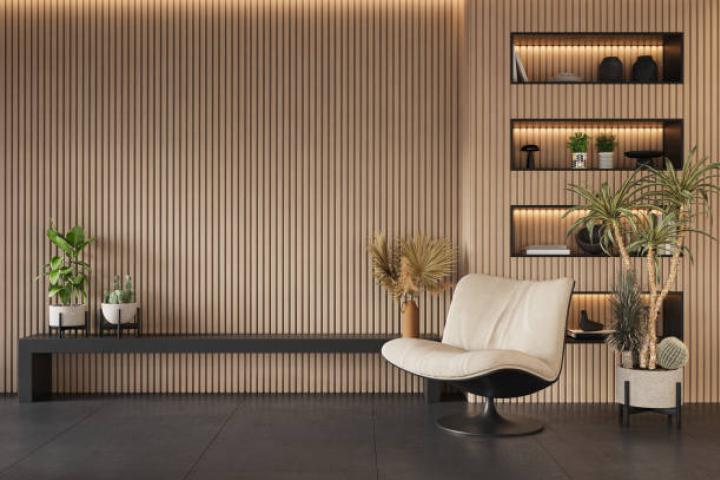
Wood Acoustic Paneling brings a natural, organic texture to interior spaces. Its ability to complement a wide range of design themes—from rustic and traditional to contemporary and minimalist—makes it a highly adaptable solution. Moreover, wood’s innate warmth and timeless beauty provide a level of comfort that synthetic materials often fail to replicate.
Rise of Acoustic Awareness
One of the main drivers behind the growing demand for Acoustic Wood Panels is a heightened awareness of how sound impacts well-being and productivity. Poor acoustics can lead to increased stress, reduced concentration, and an overall decline in the quality of life or work. This is especially critical in environments like schools, offices, hospitals, and hospitality venues.
As awareness grows, so does the desire to incorporate acoustically intelligent solutions during the early stages of design. This shift in mindset has paved the way for the increased specification of Wooden Acoustic Panels, not just as an afterthought, but as an integral design element.
Another Key Driver is Sustainability
Today’s consumers and businesses alike are more eco-conscious than ever. Designers and architects are constantly looking for sustainable materials that minimize environmental impact without compromising on aesthetics or performance.
This is where Acoustic Wood Panels truly shine. When made from responsibly sourced timber and combined with environmentally friendly manufacturing processes, these panels can contribute significantly to green building certifications like LEED and WELL. Additionally, wood is a renewable material, and its use in acoustic paneling supports a circular economy approach.
Moreover, many manufacturers now offer Wood Acoustic Paneling solutions made from recycled wood fibers or low-emission adhesives, further pushing the sustainability narrative forward.
Innovations: Design and Customization
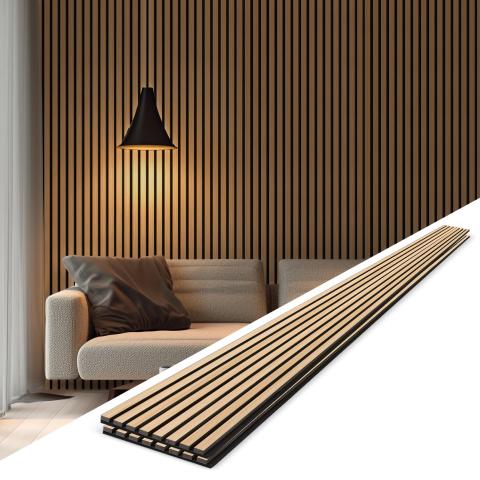
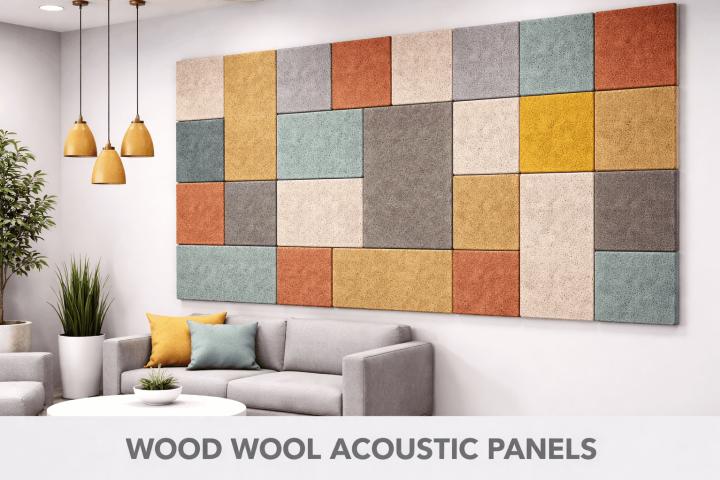
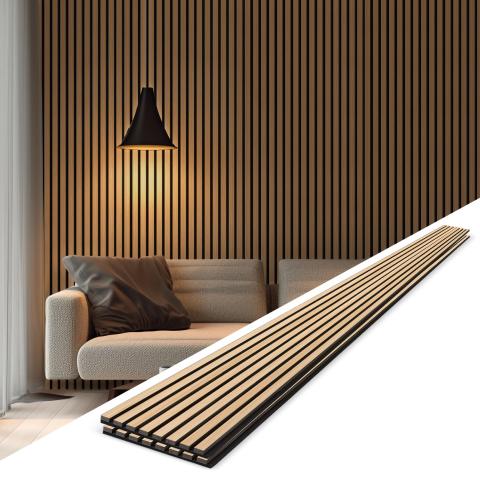
Innovation in materials and manufacturing techniques has significantly advanced the capabilities of Wooden Acoustic Panels. They are no longer limited to standard slatted or perforated designs. Today’s offerings include a diverse range of profiles, finishes, veneers, and installation systems that allow for seamless customization.
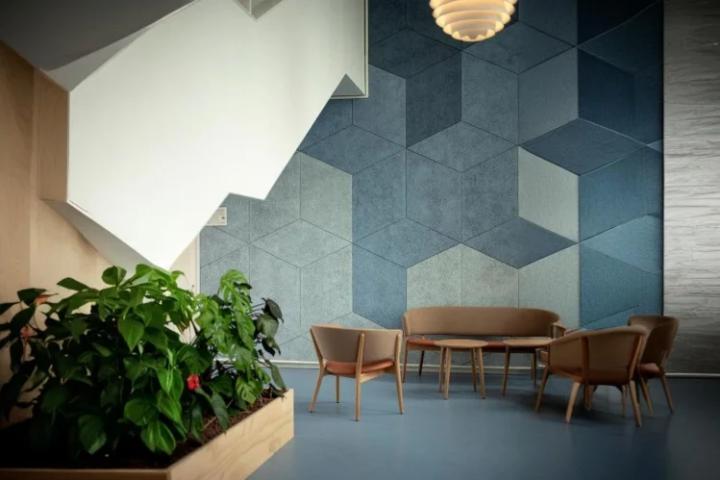
Designers can now specify Wood Acoustic Paneling in a variety of patterns, colors, and acoustic ratings to suit the unique needs of each project. Whether it's a geometric grid that adds dimension to a hotel lobby, or subtle slatted panels that enhance the acoustics of a recording studio, the design possibilities are nearly endless.
This level of customization is playing a huge role in the continuing boom, especially as clients increasingly seek personalized, brand-aligned interiors.
Applications Expanding Across Industries
While Wooden Acoustic Panels have traditionally been associated with auditoriums or high-end corporate interiors, their use has now spread across multiple sectors:
Education: Classrooms, libraries, and lecture halls benefit from improved sound clarity and reduced noise pollution.
Healthcare: Calming, acoustic-friendly spaces support patient recovery and staff well-being.
Hospitality: Stylish yet functional panels help create ambient spaces in restaurants and hotels.
Residential: High-end homes are incorporating Acoustic Wood Panels in home theaters, reading rooms, and open-plan living areas.
This cross-industry appeal is a strong indicator that the trend is not just a fleeting one—it’s here to stay and evolve.
Influence of Biophilic Design
Biophilic design, which aims to connect building occupants more closely to nature, is gaining ground worldwide. Wood Acoustic Paneling fits perfectly into this movement, offering a tactile, natural element that brings warmth and comfort into interior spaces. The use of natural materials like wood is known to reduce stress and improve cognitive function—benefits that extend beyond just noise reduction.
As more buildings incorporate biophilic principles, Wooden Acoustic Panels are poised to become a staple, rather than an exception, in interior finishes.
Future Outlook: The Boom Has Only Just Begun
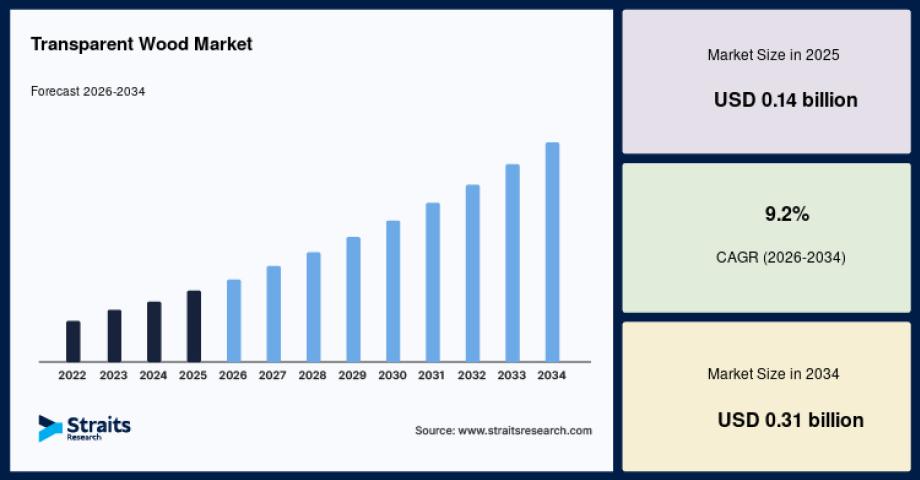
All indicators suggest that the market for Wood Acoustic Paneling is set for robust growth. The convergence of aesthetic appeal, acoustic performance, sustainability, and biophilic design principles creates a strong foundation for continued innovation and adoption.
With urbanization on the rise and noise pollution becoming a growing concern, acoustic design is no longer optional—it’s essential. As designers and builders seek materials that meet this challenge while still delivering beauty and durability, Wooden Acoustic Panels will continue to stand out as a preferred solution.
Moreover, as technology improves and manufacturing becomes more efficient, we can expect more cost-effective and scalable options to hit the market, further accelerating the adoption curve.
Conclusion
So, is the boom of Wooden Acoustic Panels just beginning? Absolutely.
What started as a niche solution for sound-sensitive environments has grown into a full-fledged movement in modern design. As the demand for healthier, more sustainable, and acoustically optimized spaces increases, the future looks not just bright—but resonant—for Acoustic Wood Panels and Wood Acoustic Paneling.