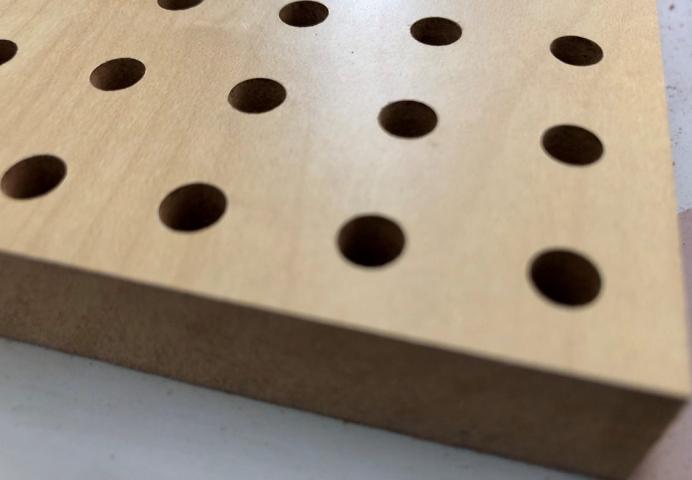
Boutique hotels live and breathe on details. Guests choose them not only for a bed to sleep in, but for the crafted experience that surrounds every touchpoint—the lighting, the fabrics, the scents, the sounds. That’s where wood acoustic paneling quietly works its magic. Beyond its visual charm, it softens noise, balances energy, and gives spaces that distinctive boutique feel where comfort meets character.
Setting the Mood with Wooden Acoustic Panels
The first impression of a boutique hotel lobby is about ambiance, not size. When footsteps don’t echo and voices sound warm instead of sharp, guests instantly feel at ease. This is the understated power of wooden acoustic panels—they manage acoustics while adding tactile beauty through natural finishes and patterns. Design insight: Try pairing darker acoustic wood panels with metallic accents in the lobby bar for a moody, elegant setting that feels both intimate and upscale.
Acoustic Wood Panels as a Design Statement
Sound control is practical, but acoustic wood panels also open up endless design possibilities:
Ceilings with Character – Slatted wood across ceilings doesn’t just absorb sound; it creates rhythm and flow across communal areas.
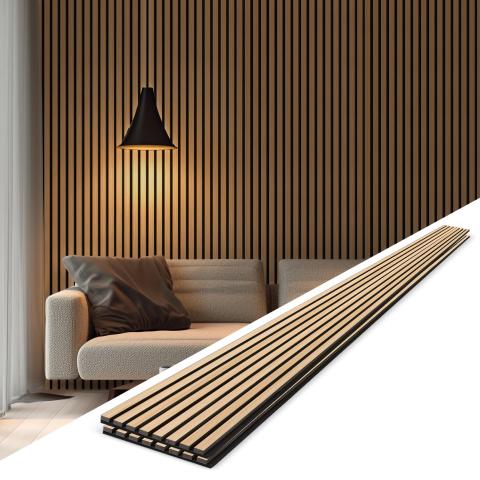
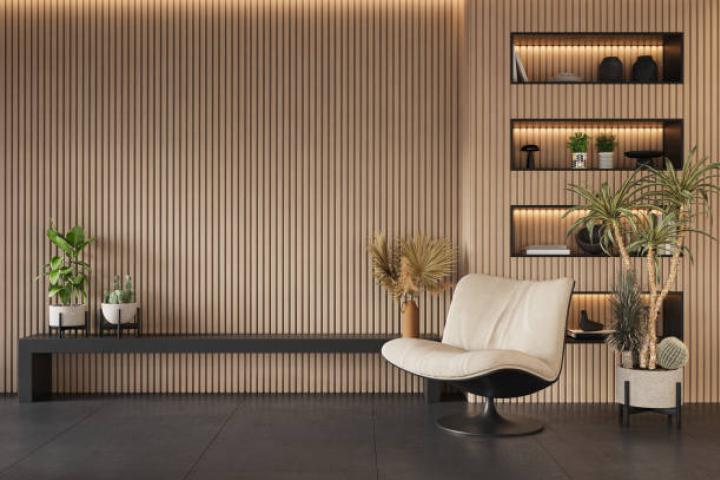
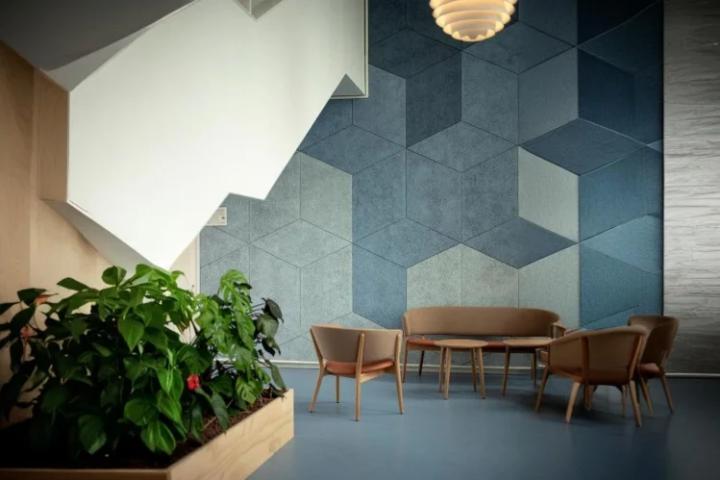
Feature Walls – Using acoustic wood wall panels as textured backdrops behind reception desks or lounge seating adds depth without overwhelming the space.
Restaurant Privacy – Carved or grooved wood can absorb clatter in dining areas, letting guests enjoy conversations at a natural volume.
Relaxation Zones – In spas, pale-toned wood acoustic paneling evokes calm, enhancing the wellness-focused experience.
Unlock the potential of your interiors—Tranquil Global brings creativity, precision, and performance together.
Simple DIY->
Even without a large renovation budget, smaller updates can still transform interiors:
Headboard Extensions – By mounting wooden acoustic panels behind guest beds, hotels can add luxury while minimizing noise from adjacent rooms.
Wall Artwork – Group smaller pieces of acoustic wood wall panels into creative shapes—chevron, hexagon, or herringbone—for affordable yet artistic accents.
Hanging Elements – Clusters of acoustic wood panels suspended above café tables create visual separation while reducing background chatter.
Blending Tradition with Contemporary Design
Boutique hotels thrive on character, often mixing vintage charm with modern sophistication. Wood acoustic paneling bridges these worlds beautifully. Rustic finishes can complement antique furnishings, while sleek, minimalist wooden acoustic panels work in contemporary settings. The versatility ensures no two properties look the same.
Why Acoustic Wood Wall Panels Make an Impact?
There’s something emotional about natural textures. Guests may not consciously notice acoustic wood wall panels, but they’ll describe the space as “warm,” “peaceful,” or “inviting.” These reactions matter in hospitality, where experiences are remembered long after checkout. Good acoustics paired with natural finishes don’t just elevate design—they elevate the brand.
Extra Design Tips for Hoteliers
Play with Lighting: Backlighting behind acoustic wood panels can highlight grain patterns, creating an unforgettable atmosphere.
Mix Materials: Combine stone, fabric, and acoustic wood wall panels for layered textures that feel luxurious.
Use Modular Designs: Movable acoustic wood panels can help hotels adapt to seasonal layouts or events.
Think Branding: Custom laser-engraving on panel surfaces allows hotels to subtly weave in logos or motifs.
Test Acoustics: Walk through spaces at different times of day—what feels perfect in the morning may echo at night when busier.
The Last Note
Ultimately, wood acoustic paneling is more than an interior upgrade—it’s a storytelling tool. It shapes how guests perceive sound, comfort, and >acoustic wood panels prove that functionality and artistry can coexist.
For boutique hotels competing on uniqueness, wooden acoustic panels and acoustic wood wall panels are the secret ingredients to transforming interiors into unforgettable experiences. Guests may not always realize why a space feels so inviting—but they’ll always remember how it made them feel.
Bring elegance and function under one roof with Tranquil Global’s tailored solutions.
Blog 9: Wood Acoustic Diffuser DIY Simplified for First-time Builders
acoustic wood wall panels
acoustic timber panels
Wood Acoustic Diffuser
When you step into a music studio or a cozy home theater, you might notice how the sound feels—warm, balanced, and never too echoey. Behind this magic often lies a clever tool: the Wood Acoustic Diffuser. While most people think about soundproofing as blocking noise, diffusers are different. They scatter sound waves, making a room feel natural and alive. And here’s the good news: building one doesn’t have to be a complicated, expert-only project. With the right guidance, even first-time builders can craft their own diffuser using simple materials like acoustic wood wall panels and acoustic timber panels.
Why Build Your Own Wood Acoustic Diffuser?
Buying professional-grade diffusers can be expensive. A DIY version not only saves costs but also gives you flexibility to design something that fits your >Wood Acoustic Diffuser to match the warm tones of your room or aligning it with existing acoustic timber panels for a seamless look. It’s not just functional—it’s a statement piece.
Getting Started: Tools and Materials
You don’t need a high-end workshop. A beginner-friendly toolkit is enough. For your DIY diffuser, gather:
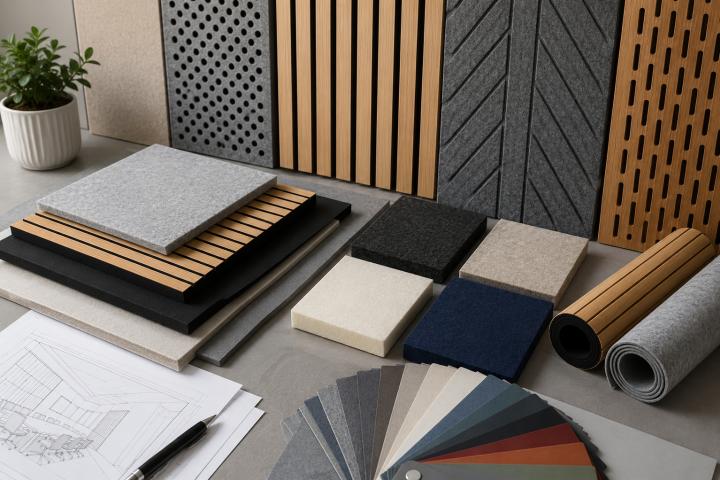
Acoustic wood wall panels or solid wood planks
A saw (hand or electric, depending on comfort)
Measuring tape and level
Sandpaper for smoothing edges
Wood glue or small nails
A finish of your choice (oil, stain, or paint)
Pro tip: Choosing acoustic timber panels gives you an edge—they’re already engineered for acoustic performance, saving effort while maintaining professional-grade sound balance.
From vision to reality, Tranquil Global ensures your interiors are as impressive as they are functional.
Step-by-Step DIY Guide
Measure Your Space
Before cutting, decide where your Wood Acoustic Diffuser will go—behind speakers, on the back wall of a home theater, or as part of a recording nook. Accurate measurements prevent wasted material.Cut and Prepare Panels
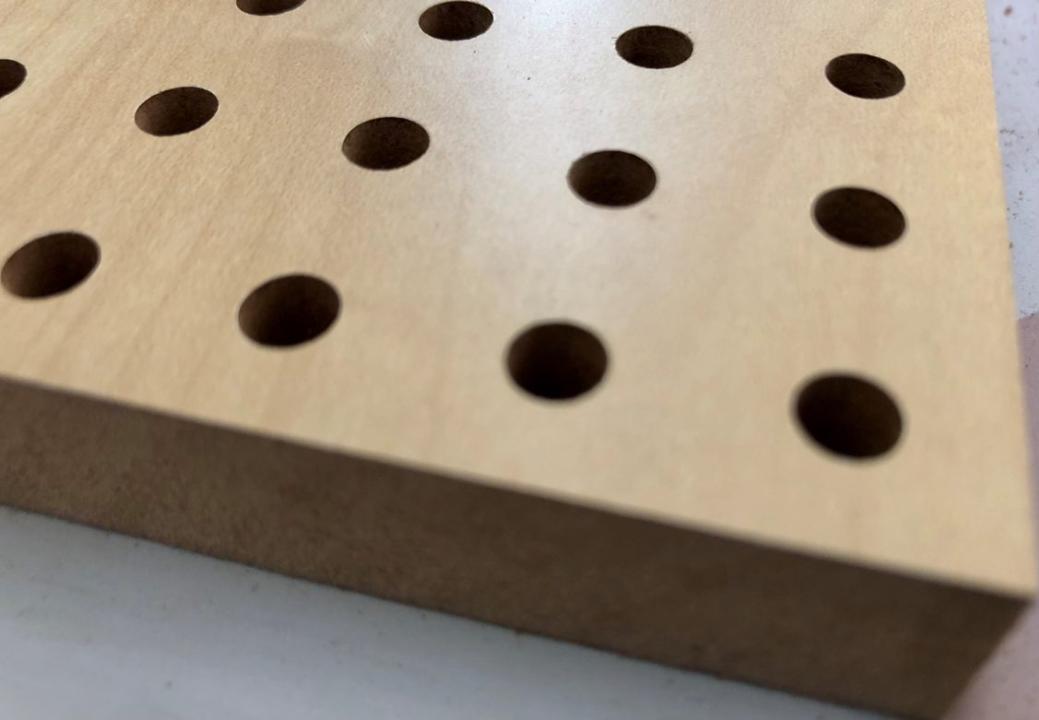
Cut the acoustic timber panels into different depths. The varying thickness is what helps scatter sound instead of reflecting it directly. Smooth out edges to avoid splinters.Arrange for Sound Scattering
Alternate the pieces in a pattern—deep, shallow, medium. Think of it like creating a puzzle where every block helps redirect sound. Using acoustic wood wall panels for the base can provide stability and elegance.Assemble the Frame
Attach your cut pieces to a wooden base. If you’re going large-scale, consider dividing your Wood Acoustic Diffuser into smaller sections for easier handling.Finish and Mount
Sand, stain, or oil the diffuser depending on the look you want. Mount securely to ensure it stays in place. Placement is key—experiment by listening from different points in the room.
What You Must Make a Note of by Now?
The Wood Acoustic Diffuser doesn’t block noise; it balances it.
Using acoustic timber panels can simplify the process while boosting performance.
Pairing with acoustic wood wall panels not only adds strength but also elevates aesthetics.
By now, you should see that this is less about heavy carpentry and more about careful planning and creative design.
Creative Variations to Try
One of the perks of DIY is personalization. Here are some creative twists:
Hybrid Panels – Mix acoustic wood wall panels with reclaimed timber for a rustic-meets-modern >
Artistic Layouts – Paint or stain blocks in contrasting shades to make your Wood Acoustic Diffuser double as wall art.
Movable Diffusers – Mount diffusers on rolling stands so you can shift them around in multipurpose rooms.
Pairing with Other Acoustic Treatments
A diffuser works best when part of a larger acoustic strategy. For example:
Acoustic timber panels along ceilings help minimize direct reflections.
Acoustic wood wall panels behind seating areas reduce sharp echoes.
Together with a Wood Acoustic Diffuser, they create balanced, immersive soundscapes perfect for music, film, or even relaxing quiet spaces.
Extra DIY Tips for Success
Always test placement—sometimes moving your diffuser a foot higher or lower changes the entire room’s feel.
Don’t overdo it—too many panels can deaden a room instead of enhancing it.
If the budget is tight, start small with a single Wood Acoustic Diffuser, then expand gradually.
Final Thoughts
Crafting your own Wood Acoustic Diffuser is one of those DIY projects that blend creativity with functionality. For first-time builders, it’s a chance to explore woodworking while immediately seeing (and hearing) results. By incorporating acoustic timber panels and pairing them with acoustic wood wall panels, you can achieve professional acoustic quality without overspending.
In boutique studios, home theaters, or even living spaces where ambiance matters, a handmade diffuser stands out. It tells a story of craftsmanship, innovation, and attention to detail. And when guests or friends compliment how good the room sounds, you’ll know it wasn’t just the design—it was your handiwork.
Take your spaces to new heights of elegance and efficiency with Tranquil Global’s expertise. https://www.tranquilglobal.com/contact-us.html